
多重耐药/广泛耐药临床病原体中的抗生素耐药时代 。(原文句子不完整,翻译可能不太准确,你可补充完整原文后再让我翻译)
Age of Antibiotic Resistance in MDR/XDR Clinical Pathogen of .
作者信息
Kothari Ashish, Kherdekar Radhika, Mago Vishal, Uniyal Madhur, Mamgain Garima, Kalia Roop Bhushan, Kumar Sandeep, Jain Neeraj, Pandey Atul, Omar Balram Ji
机构信息
Department of Microbiology, All India Institute of Medical Sciences, Rishikesh 249203, India.
Department of Dentistry, All India Institute of Medical Sciences, Rishikesh 249203, India.
出版信息
Pharmaceuticals (Basel). 2023 Aug 30;16(9):1230. doi: 10.3390/ph16091230.
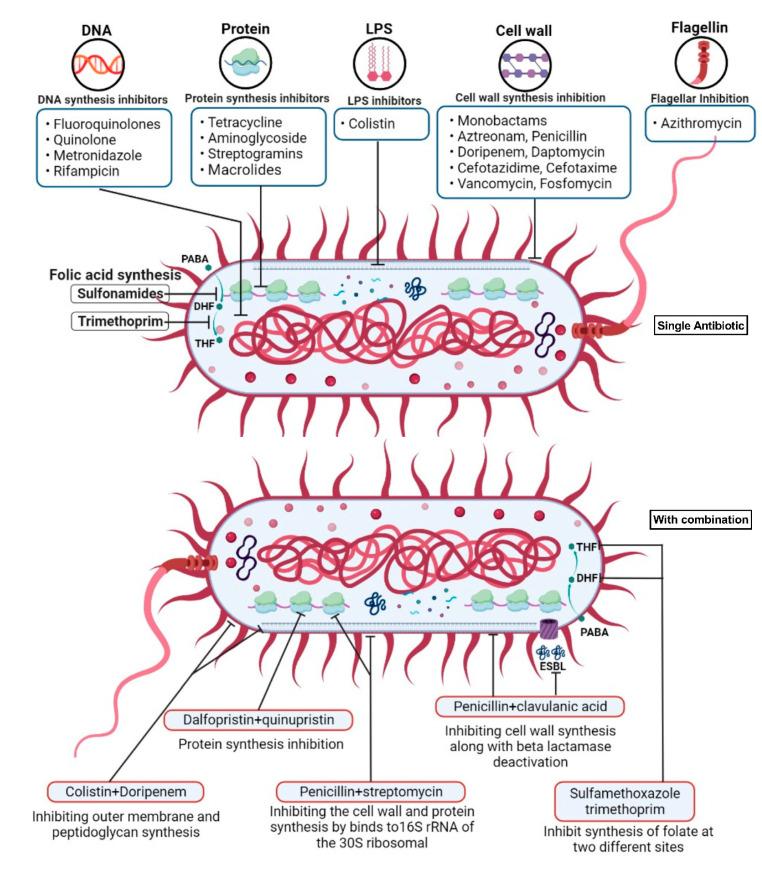
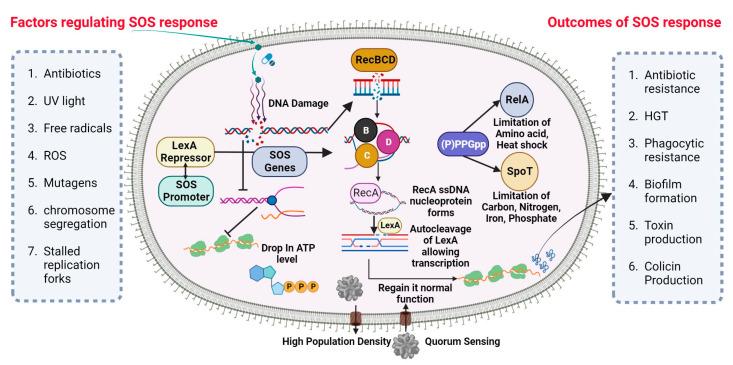
Antibiotic resistance in remains one of the most challenging phenomena of everyday medical science. The universal spread of high-risk clones of multidrug-resistant/extensively drug-resistant (MDR/XDR) clinical has become a public health threat. The bacteria exhibits remarkable genome plasticity that utilizes highly acquired and intrinsic resistance mechanisms to counter most antibiotic challenges. In addition, the adaptive antibiotic resistance of , including biofilm-mediated resistance and the formation of multidrug-tolerant persisted cells, are accountable for recalcitrance and relapse of infections. We highlighted the AMR mechanism considering the most common pathogen , its clinical impact, epidemiology, and save our souls (SOS)-mediated resistance. We further discussed the current therapeutic options against MDR/XDR infections, and described those treatment options in clinical practice. Finally, other therapeutic strategies, such as bacteriophage-based therapy and antimicrobial peptides, were described with clinical relevance.
[细菌名称]中的抗生素耐药性仍然是日常医学科学中最具挑战性的现象之一。多重耐药/广泛耐药(MDR/XDR)临床[细菌名称]高风险克隆的普遍传播已成为一种公共卫生威胁。[细菌名称]表现出显著的基因组可塑性,利用高度获得性和固有耐药机制来应对大多数抗生素挑战。此外,[细菌名称]的适应性抗生素耐药性,包括生物膜介导的耐药性和多药耐受持续细胞的形成,是感染顽固性和复发的原因。我们重点介绍了考虑最常见病原体[细菌名称]的抗菌药物耐药机制、其临床影响、流行病学以及拯救我们的灵魂(SOS)介导的耐药性。我们进一步讨论了针对MDR/XDR[细菌名称]感染的当前治疗选择,并描述了这些治疗选择在临床实践中的情况。最后,描述了其他治疗策略,如基于噬菌体的治疗和抗菌肽,并阐述了其临床相关性。

 Zotero 插件