
RNA 结合蛋白:在神经毒性中起作用?
RNA-Binding Proteins: A Role in Neurotoxicity?
机构信息
Laboratorio de Neurotoxicología, Departamento de Toxicología, Centro de Investigación y de Estudios Avanzados del Instituto Politécnico Nacional, Av. IPN 2508, San Pedro Zacatenco, 07300 CDMX, México.
Laboratorio de Epigenética del Cáncer, Facultad de Ciencias Químico Biológicas, Universidad Autónoma de Guerrero, Av. Lázaro Cárdenas 88, Chilpancingo, Guerrero, 39086, México.
出版信息
Neurotox Res. 2023 Dec;41(6):681-697. doi: 10.1007/s12640-023-00669-w. Epub 2023 Sep 30.
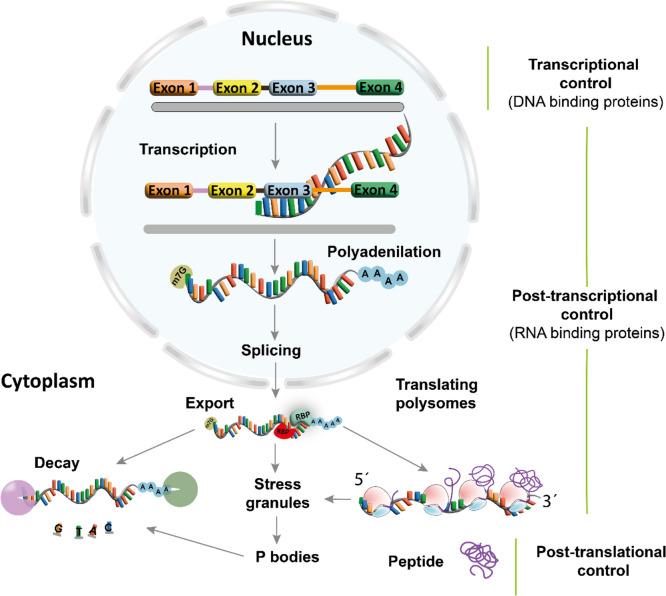
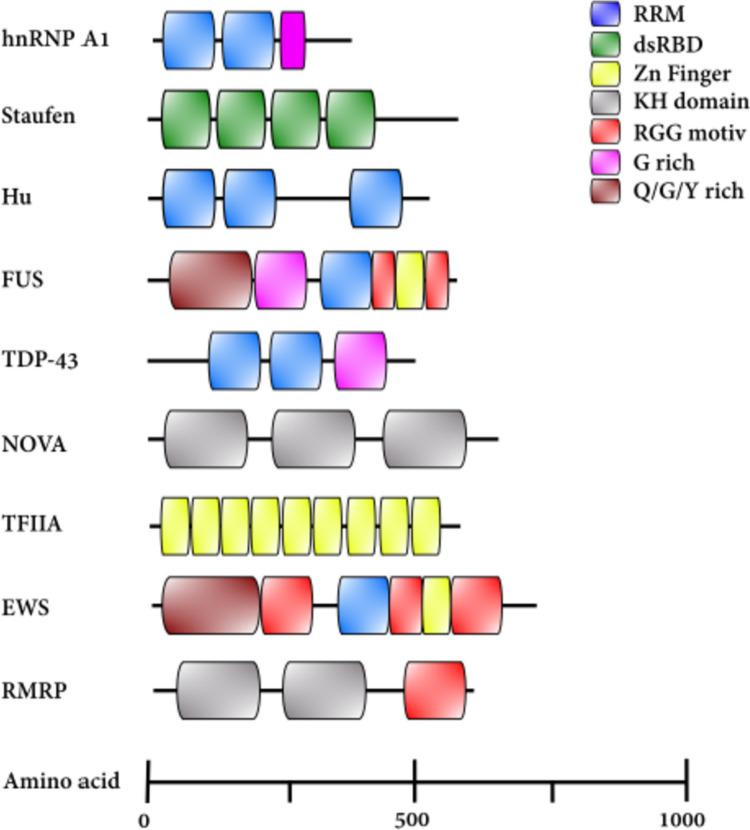
Despite sustained efforts to treat neurodegenerative diseases, little is known at the molecular level to understand and generate novel therapeutic approaches for these malignancies. Therefore, it is not surprising that neurogenerative diseases are among the leading causes of death in the aged population. Neurons require sophisticated cellular mechanisms to maintain proper protein homeostasis. These cells are generally sensitive to loss of gene expression control at the post-transcriptional level. Post-translational control responds to signals that can arise from intracellular processes or environmental factors that can be regulated through RNA-binding proteins. These proteins recognize RNA through one or more RNA-binding domains and form ribonucleoproteins that are critically involved in the regulation of post-transcriptional processes from splicing to the regulation of association of the translation machinery allowing a relatively rapid and precise modulation of the transcriptome. Neurotoxicity is the result of the biological, chemical, or physical interaction of agents with an adverse effect on the structure and function of the central nervous system. The disruption of the proper levels or function of RBPs in neurons and glial cells triggers neurotoxic events that are linked to neurodegenerative diseases such as spinal muscular atrophy (SMA), amyotrophic lateral sclerosis (ALS), fragile X syndrome (FXS), and frontotemporal dementia (FTD) among many others. The connection between RBPs and neurodegenerative diseases opens a new landscape for potentially novel therapeutic targets for the intervention of these neurodegenerative pathologies. In this contribution, a summary of the recent findings of the molecular mechanisms involved in the plausible role of RBPs in RNA processing in neurodegenerative disease is discussed.
尽管人们一直在努力治疗神经退行性疾病,但在分子水平上,人们对这些恶性肿瘤的发病机制和新的治疗方法知之甚少。因此,神经退行性疾病是老年人群中主要死亡原因之一并不奇怪。神经元需要复杂的细胞机制来维持适当的蛋白质内稳态。这些细胞通常对转录后水平的基因表达控制丧失敏感。翻译后控制对来自细胞内过程或环境因素的信号做出反应,这些信号可以通过 RNA 结合蛋白进行调节。这些蛋白质通过一个或多个 RNA 结合域识别 RNA,并形成核糖核蛋白,这些核糖核蛋白在调节从剪接到翻译机制关联的转录后过程中起着至关重要的作用,从而允许对转录组进行相对快速和精确的调节。神经毒性是由于生物、化学或物理因素与中枢神经系统的结构和功能发生不利相互作用而产生的。神经元和神经胶质细胞中 RBPs 的适当水平或功能的破坏引发了与神经退行性疾病相关的神经毒性事件,如脊髓性肌萎缩症 (SMA)、肌萎缩侧索硬化症 (ALS)、脆性 X 综合征 (FXS) 和额颞叶痴呆症 (FTD) 等。RBPs 与神经退行性疾病之间的联系为这些神经退行性病变的干预提供了新的潜在治疗靶点。在这篇综述中,讨论了最近发现的 RBPs 在 RNA 处理中参与神经退行性疾病的分子机制的总结。

 Zotero 插件