
重新利用香芹酚、肉桂醛和丁子香酚作为潜在的抗群体感应剂,以对抗埃及亚历山大的尿路致病性大肠杆菌分离株。
Repurposing carvacrol, cinnamaldehyde, and eugenol as potential anti-quorum sensing agents against uropathogenic Escherichia coli isolates in Alexandria, Egypt.
机构信息
Microbiology and Immunology Department, Faculty of Pharmacy, Alexandria University, El-Khartoom Square, Azarita, Alexandria, Egypt.
出版信息
BMC Microbiol. 2023 Oct 23;23(1):300. doi: 10.1186/s12866-023-03055-w.
BACKGROUND
Urinary tract infections represent one of the most frequent hospital and community-acquired infections with uropathogenic Escherichia coli (UPEC) being the main causative agent. The global increase in the emergence of multidrug-resistant (MDR) UPEC necessitates exploring novel approaches. Repurposing natural products as anti-quorum sensing (QS) agents to impede bacterial virulence is gaining momentum nowadays. Hence, this study investigates the anti-QS potentials of carvacrol, cinnamaldehyde, and eugenol against E. coli isolated from urine cultures of Egyptian patients.
RESULTS
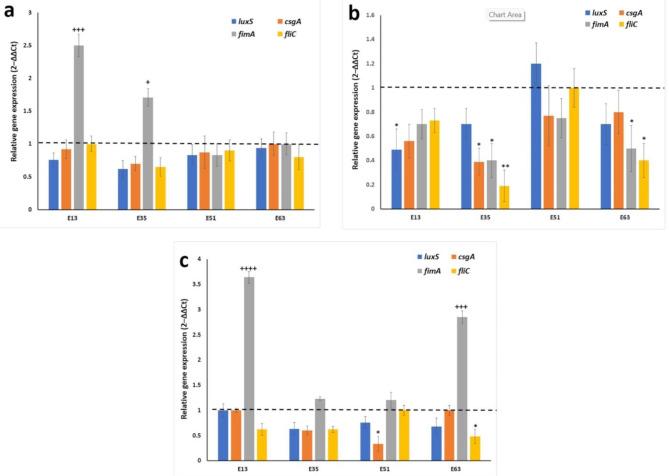
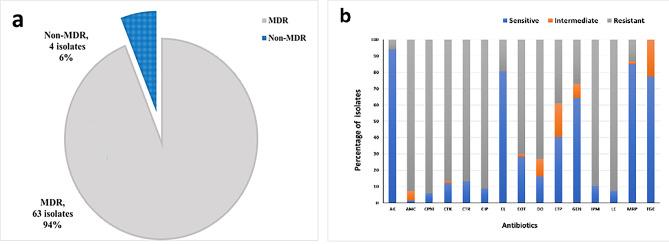
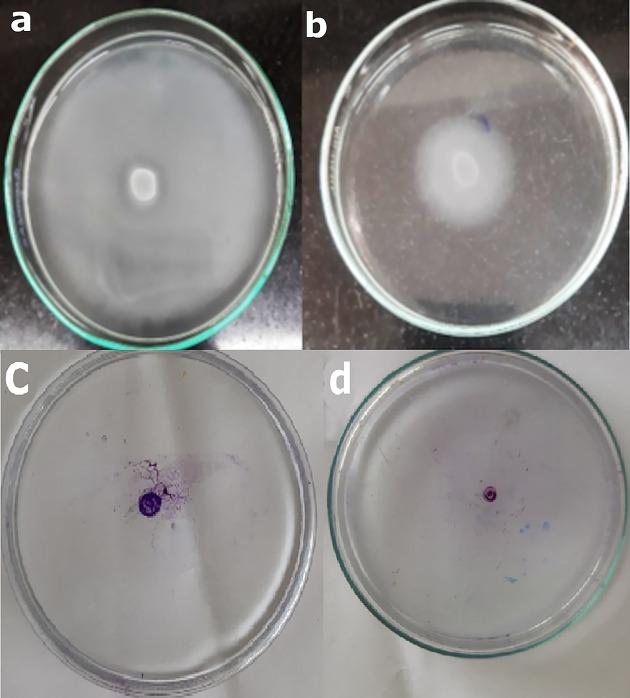
Antibiotic susceptibility testing was performed for 67 E. coli isolates and 94% of the isolates showed MDR phenotype. The usp gene was detected using PCR and accordingly, 45% of the isolates were categorized as UPEC. Phytochemicals, at their sub-inhibitory concentrations, inhibited the swimming and twitching motilities of UPEC isolates, with eugenol showing the highest inhibitory effect. The agents hindered the biofilm-forming ability of the tested isolates, at two temperature sets, 37 and 30 °C, where eugenol succeeded in significantly inhibiting the biofilm formation by > 50% at both investigated temperatures, as compared with untreated controls. The phytochemicals were shown to downregulate the expression of the QS gene (luxS) and critical genes related to motility, asserting their anti-QS potential. Further, the combinatory activity of the phytoproducts with five antibiotics was assessed by checkerboard assay. The addition of the phytoproducts significantly reduced the minimum inhibitory concentrations of the antibiotics and generated several synergistic or partially synergistic combinations, some of which have not been previously explored.
CONCLUSIONS
Overall, carvacrol, cinnamaldehyde, and eugenol could be repurposed as potential anti-QS agents, which preferentially reduce the QS-based communication and attenuate the cascades of gene expression, thus decreasing the production of virulence factors in UPEC, and eventually, subsiding their pathogenicity. Furthermore, the synergistic combinations of these agents with antibiotics might provide a new perspective to circumvent the side effects brought about by high antibiotic doses, thereby paving the way for overcoming antibiotic resistance.
背景
尿路感染是最常见的医院和社区获得性感染之一,其中尿路致病性大肠杆菌(UPEC)是主要病原体。全球范围内多药耐药(MDR)UPEC 的出现不断增加,需要探索新的方法。将天然产物重新用于作为抗群体感应(QS)剂以阻止细菌毒力的方法正在兴起。因此,本研究调查了香芹酚、肉桂醛和丁子香酚对从埃及患者尿液培养物中分离的大肠杆菌的抗 QS 潜力。
结果
对 67 株大肠杆菌分离株进行了抗生素药敏试验,其中 94%的分离株表现出 MDR 表型。使用 PCR 检测了 usp 基因,因此,45%的分离株被归类为 UPEC。植物化学物质在亚抑制浓度下抑制 UPEC 分离株的游泳和蠕动运动,其中丁子香酚表现出最高的抑制作用。这些试剂在两个温度设置(37 和 30°C)下阻碍了测试分离株的生物膜形成能力,丁子香酚成功地在两个研究温度下使生物膜形成抑制率均超过 50%,与未经处理的对照相比。这些植物化学物质被证明可以下调 QS 基因(luxS)和与运动相关的关键基因的表达,证明了它们的抗 QS 潜力。此外,通过棋盘试验评估了植物产物与五种抗生素的组合活性。添加植物产物可显著降低抗生素的最小抑菌浓度,并产生几种协同或部分协同组合,其中一些以前尚未探索过。
结论
总体而言,香芹酚、肉桂醛和丁子香酚可以被重新用作潜在的抗 QS 剂,它们优先降低基于 QS 的通讯,并减弱基因表达的级联,从而减少 UPEC 中毒力因子的产生,并最终减轻其致病性。此外,这些试剂与抗生素的协同组合可能为规避高剂量抗生素带来的副作用提供新的视角,从而为克服抗生素耐药性铺平道路。



 Zotero 插件