
植物源表生营养物作为广谱抗病毒药物的潜力
Plant-Derived Epi-Nutraceuticals as Potential Broad-Spectrum Anti-Viral Agents.
机构信息
Unit of Molecular Biology and Nutrigenomics, University of Camerino, Via Madonna delle Carceri, 62032 Camerino, Italy.
Department of Nutrition and Natural Products, Migal-Galilee Research Institute, Kiryat Shmona 11016, Israel.
出版信息
Nutrients. 2023 Nov 8;15(22):4719. doi: 10.3390/nu15224719.
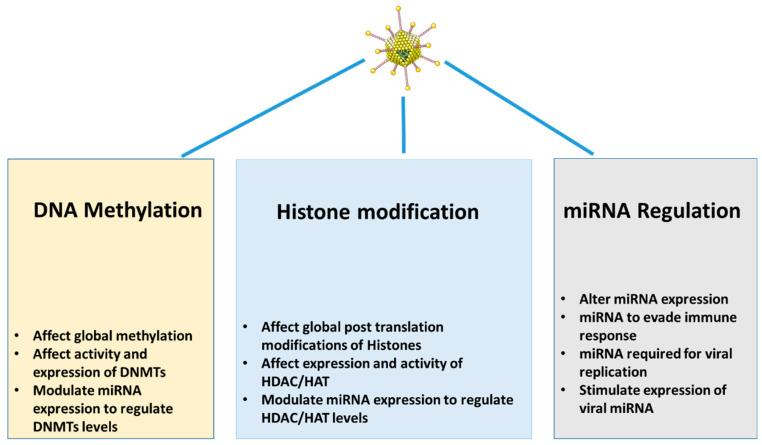
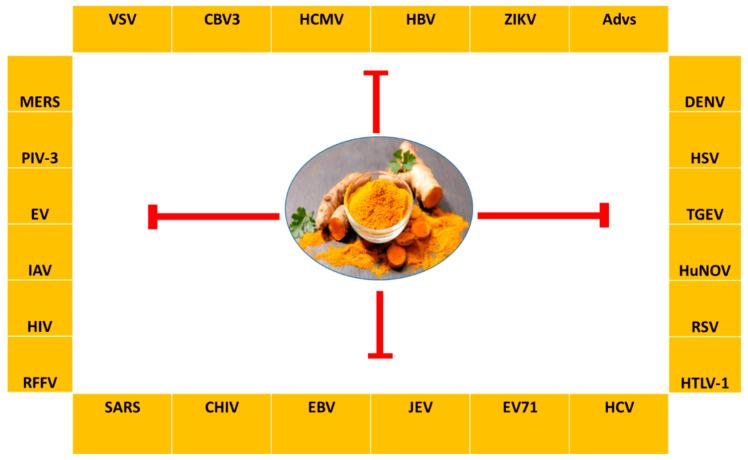
Although the COVID-19 pandemic appears to be diminishing, the emergence of SARS-CoV-2 variants represents a threat to humans due to their inherent transmissibility, immunological evasion, virulence, and invulnerability to existing therapies. The COVID-19 pandemic affected more than 500 million people and caused over 6 million deaths. Vaccines are essential, but in circumstances in which vaccination is not accessible or in individuals with compromised immune systems, drugs can provide additional protection. Targeting host signaling pathways is recommended due to their genomic stability and resistance barriers. Moreover, targeting host factors allows us to develop compounds that are effective against different viral variants as well as against newly emerging virus strains. In recent years, the globe has experienced climate change, which may contribute to the emergence and spread of infectious diseases through a variety of factors. Warmer temperatures and changing precipitation patterns can increase the geographic range of disease-carrying vectors, increasing the risk of diseases spreading to new areas. Climate change may also affect vector behavior, leading to a longer breeding season and more breeding sites for disease vectors. Climate change may also disrupt ecosystems, bringing humans closer to wildlife that transmits zoonotic diseases. All the above factors may accelerate the emergence of new viral epidemics. Plant-derived products, which have been used in traditional medicine for treating pathological conditions, offer structurally novel therapeutic compounds, including those with anti-viral activity. In addition, plant-derived bioactive substances might serve as the ideal basis for developing sustainable/efficient/cost-effective anti-viral alternatives. Interest in herbal antiviral products has increased. More than 50% of approved drugs originate from herbal sources. Plant-derived compounds offer diverse structures and bioactive molecules that are candidates for new drug development. Combining these therapies with conventional drugs could improve patient outcomes. Epigenetics modifications in the genome can affect gene expression without altering DNA sequences. Host cells can use epigenetic gene regulation as a mechanism to silence incoming viral DNA molecules, while viruses recruit cellular epitranscriptomic (covalent modifications of RNAs) modifiers to increase the translational efficiency and transcript stability of viral transcripts to enhance viral gene expression and replication. Moreover, viruses manipulate host cells' epigenetic machinery to ensure productive viral infections. Environmental factors, such as natural products, may influence epigenetic modifications. In this review, we explore the potential of plant-derived substances as epigenetic modifiers for broad-spectrum anti-viral activity, reviewing their modulation processes and anti-viral effects on DNA and RNA viruses, as well as addressing future research objectives in this rapidly emerging field.
尽管 COVID-19 大流行似乎正在减弱,但 SARS-CoV-2 变体的出现对人类构成了威胁,因为它们具有固有传染性、免疫逃逸性、毒力和对现有疗法的耐药性。COVID-19 大流行影响了超过 5 亿人,并导致超过 600 万人死亡。疫苗是必不可少的,但在无法接种疫苗或免疫系统受损的情况下,药物可以提供额外的保护。由于其基因组稳定性和耐药屏障,靶向宿主信号通路是推荐的。此外,靶向宿主因子可以使我们开发出对不同病毒变体以及新出现的病毒株有效的化合物。近年来,全球经历了气候变化,这可能通过多种因素导致传染病的出现和传播。较高的温度和降水模式的变化会增加携带疾病的媒介的地理范围,增加疾病传播到新地区的风险。气候变化还可能影响媒介的行为,导致疾病媒介的繁殖季节延长,繁殖场所增多。气候变化还可能破坏生态系统,使人类更容易接触到传播人畜共患疾病的野生动物。所有这些因素都可能加速新的病毒性传染病的出现。植物衍生产品在传统医学中被用于治疗病理状况,提供具有抗病毒活性的新型治疗化合物,包括那些具有抗病毒活性的化合物。此外,植物衍生的生物活性物质可能成为开发可持续/高效/具有成本效益的抗病毒替代品的理想基础。人们对草药抗病毒产品的兴趣增加。超过 50%的已批准药物源自草药来源。植物衍生的化合物提供了多样化的结构和生物活性分子,是新药开发的候选者。将这些疗法与传统药物结合使用可能会改善患者的预后。基因组中的表观遗传修饰可以在不改变 DNA 序列的情况下影响基因表达。宿主细胞可以使用表观遗传基因调控作为一种机制来沉默传入的病毒 DNA 分子,而病毒则招募细胞内转录组修饰(RNA 的共价修饰)调节剂来提高病毒转录物的翻译效率和转录稳定性,从而增强病毒基因的表达和复制。此外,病毒操纵宿主细胞的表观遗传机制以确保有效的病毒感染。环境因素,如天然产物,可能会影响表观遗传修饰。在这篇综述中,我们探讨了植物衍生物质作为广谱抗病毒活性的表观遗传修饰剂的潜力,综述了它们对 DNA 和 RNA 病毒的调节过程和抗病毒作用,并讨论了这一快速发展领域的未来研究目标。



 Zotero 插件