
优化底物组成可增强过氧化物酶样纳米酶在比色分析中的性能:普鲁士蓝和 3,3'-二氨基联苯胺的案例研究。
Optimizing the Composition of the Substrate Enhances the Performance of Peroxidase-like Nanozymes in Colorimetric Assays: A Case Study of Prussian Blue and 3,3'-Diaminobenzidine.
机构信息
Institute of Ecology and Genetics of Microorganisms, Urals Branch of RAS, 614081 Perm, Russia.
Biology Faculty, Perm State University, 614990 Perm, Russia.
出版信息
Molecules. 2023 Nov 16;28(22):7622. doi: 10.3390/molecules28227622.
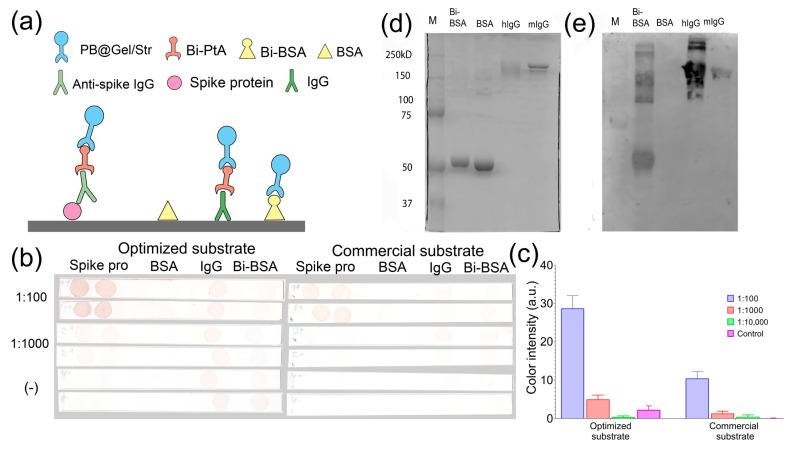
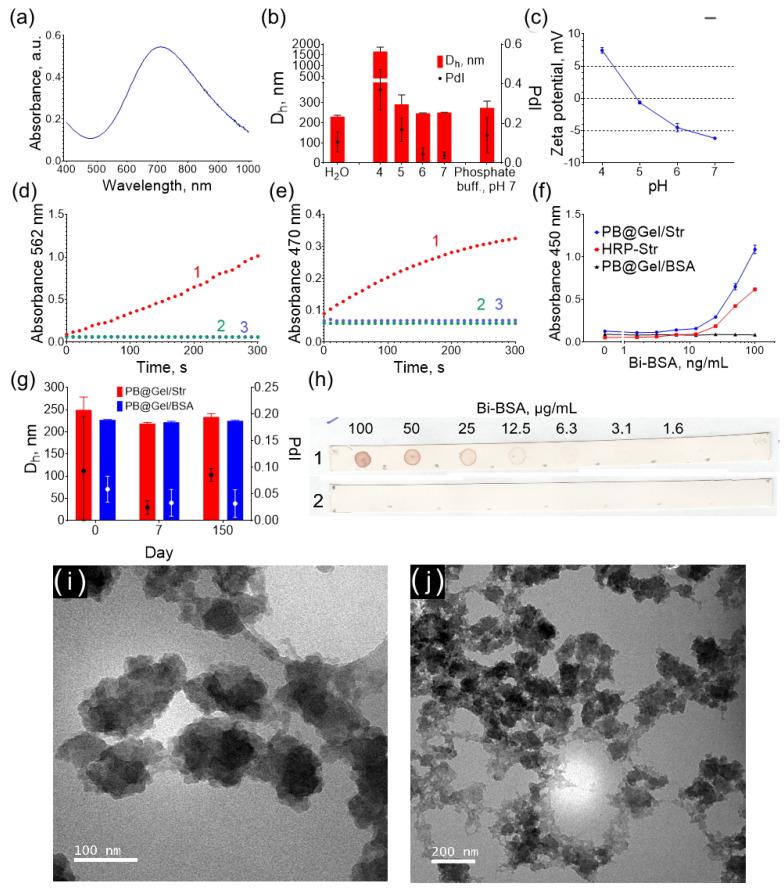
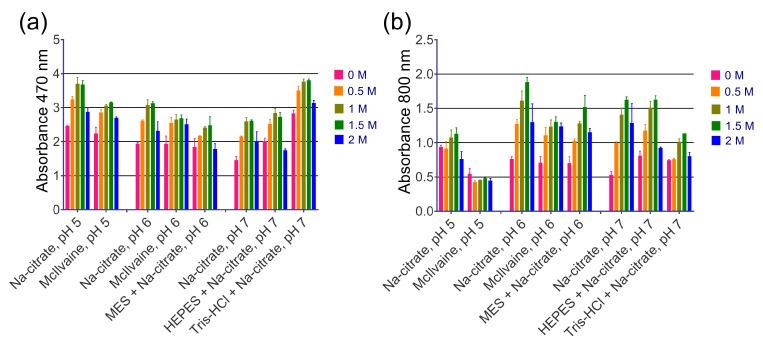
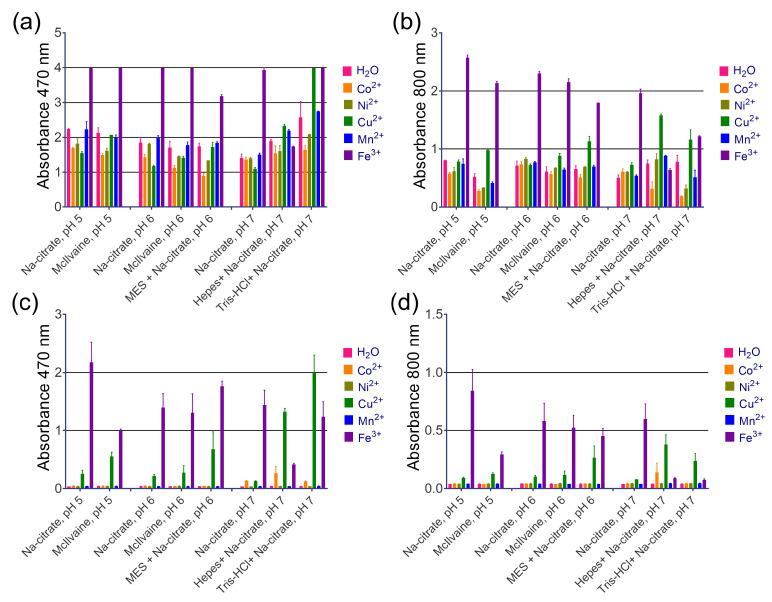
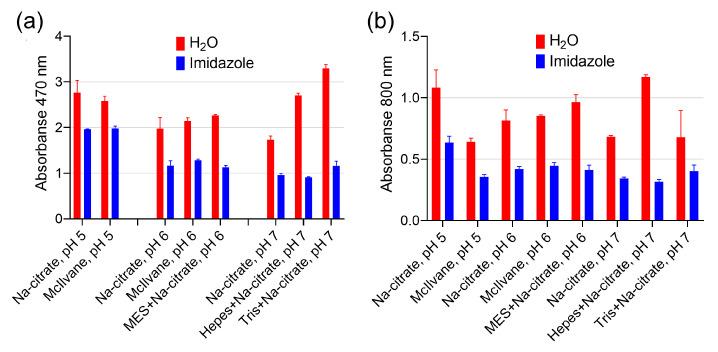
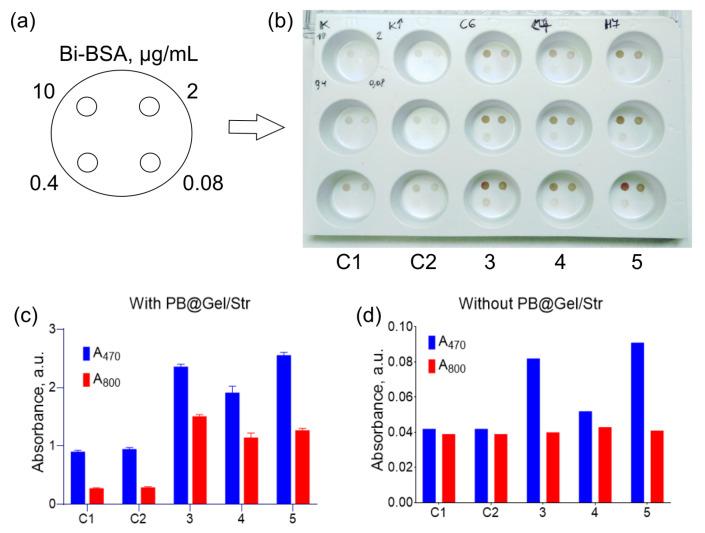
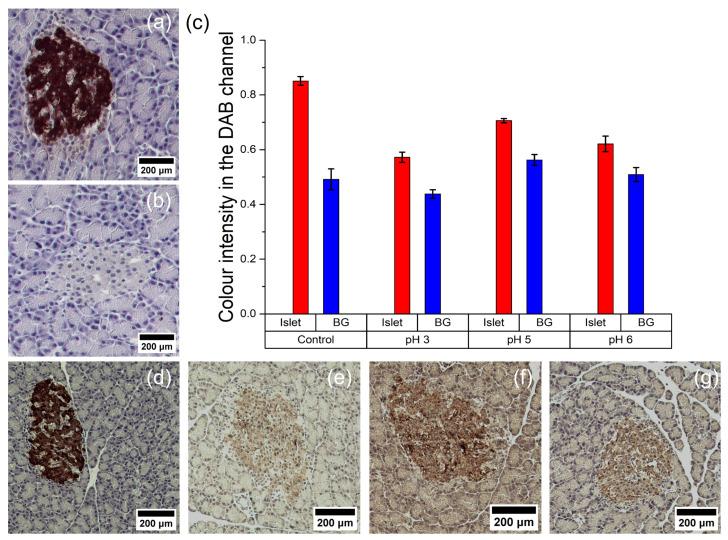
One of the emerging trends in modern analytical and bioanalytical chemistry involves the substitution of enzyme labels (such as horseradish peroxidase) with nanozymes (nanoparticles possessing enzyme-like catalytic activity). Since enzymes and nanozymes typically operate through different catalytic mechanisms, it is expected that optimal reaction conditions will also differ. The optimization of substrates for nanozymes usually focuses on determining the ideal pH and temperature. However, in some cases, even this step is overlooked, and commercial substrate formulations designed for enzymes are utilized. This paper demonstrates that not only the pH but also the composition of the substrate buffer, including the buffer species and additives, significantly impact the analytical signal generated by nanozymes. The presence of enhancers such as imidazole in commercial substrates diminishes the catalytic activity of nanozymes, which is demonstrated herein through the use of 3,3'-diaminobenzidine (DAB) and Prussian Blue as a model chromogenic substrate and nanozyme. Conversely, a simple modification to the substrate buffer greatly enhances the performance of nanozymes. Specifically, in this paper, it is demonstrated that buffers such as citrate, MES, HEPES, and TRIS, containing 1.5-2 M NaCl or NHCl, substantially increase DAB oxidation by Prussian Blue and yield a higher signal compared to commercial DAB formulations. The central message of this paper is that the optimization of substrate composition should be an integral step in the development of nanozyme-based assays. Herein, a step-by-step optimization of the DAB substrate composition for Prussian Blue nanozymes is presented. The optimized substrate outperforms commercial formulations in terms of efficiency. The effectiveness of the optimized DAB substrate is affirmed through its application in several commonly used immunostaining techniques, including tissue staining, Western blotting assays of immunoglobulins, and dot blot assays of antibodies against SARS-CoV-2.
在现代分析和生物分析化学中,一种新兴趋势是用纳米酶(具有类似酶催化活性的纳米颗粒)替代酶标签(如辣根过氧化物酶)。由于酶和纳米酶通常通过不同的催化机制起作用,因此预计最佳反应条件也会有所不同。纳米酶底物的优化通常侧重于确定理想的 pH 值和温度。然而,在某些情况下,即使这一步也被忽略了,而是使用为酶设计的商业底物配方。本文表明,不仅 pH 值,而且包括缓冲物种和添加剂在内的底物缓冲液的组成,都会显著影响纳米酶产生的分析信号。商业底物中存在咪唑等增强剂会降低纳米酶的催化活性,本文通过使用 3,3'-二氨基联苯胺(DAB)和普鲁士蓝作为模型显色底物和纳米酶对此进行了证明。相反,对底物缓冲液进行简单的修饰可以大大提高纳米酶的性能。具体来说,本文证明了含有 1.5-2 M NaCl 或 NH4Cl 的柠檬酸盐、MES、HEPES 和 TRIS 等缓冲液会大大增加普鲁士蓝对 DAB 的氧化作用,并与商业 DAB 配方相比产生更高的信号。本文的核心信息是,优化底物组成应该是基于纳米酶的测定开发的一个不可或缺的步骤。本文提出了一种用于普鲁士蓝纳米酶的 DAB 底物组成的逐步优化方法。优化后的底物在效率方面优于商业配方。优化后的 DAB 底物的有效性通过其在几种常用免疫染色技术中的应用得到了证实,包括组织染色、免疫球蛋白的 Western 印迹分析和针对 SARS-CoV-2 的抗体斑点印迹分析。

 Zotero 插件