
在两样本比较中分析高维时间响应或剂量反应数据时使用交互作用的好处。
Benefit of using interaction effects for the analysis of high-dimensional time-response or dose-response data for two-group comparisons.
机构信息
Department of Statistics, TU Dortmund University, Vogelpothsweg 87, 44227, Dortmund, Germany.
出版信息
Sci Rep. 2023 Nov 27;13(1):20804. doi: 10.1038/s41598-023-47057-0.
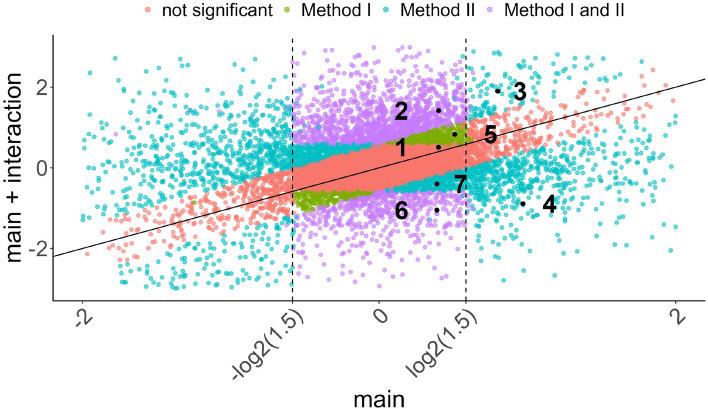
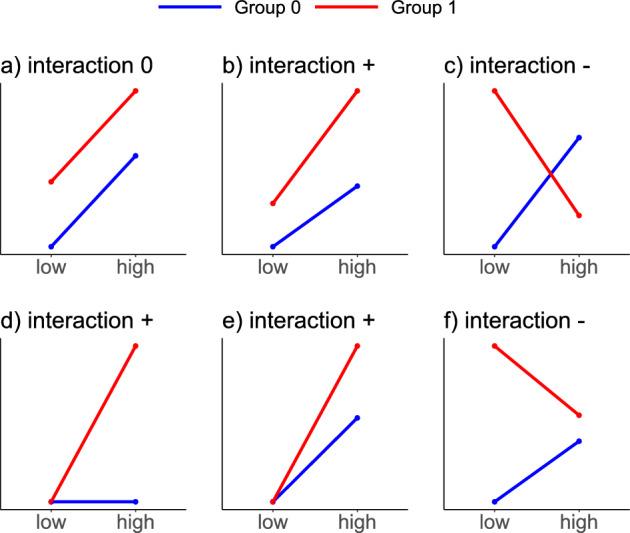
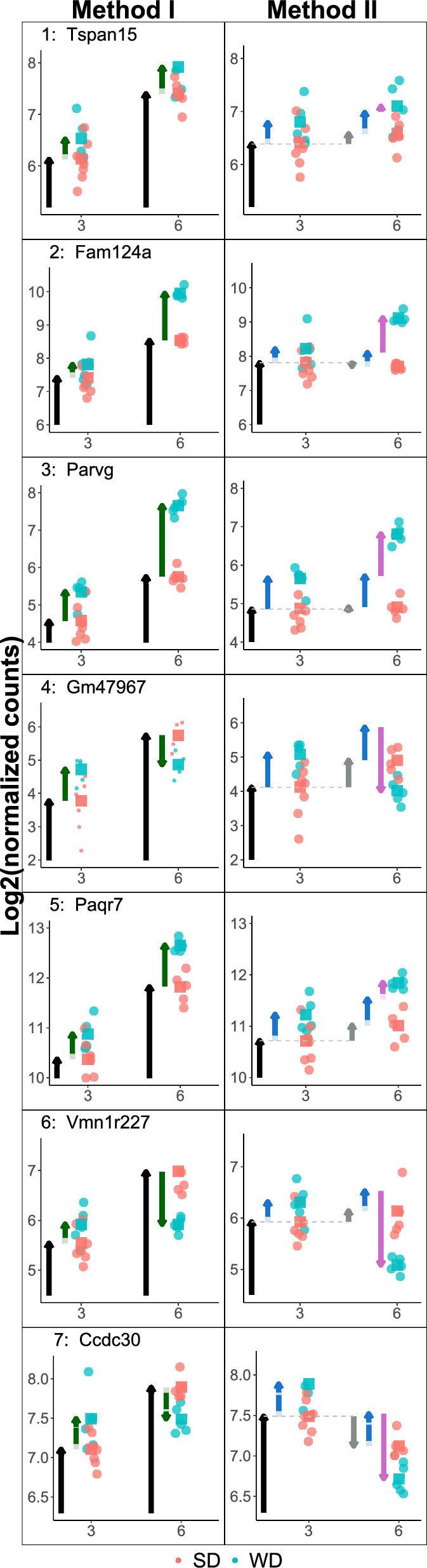
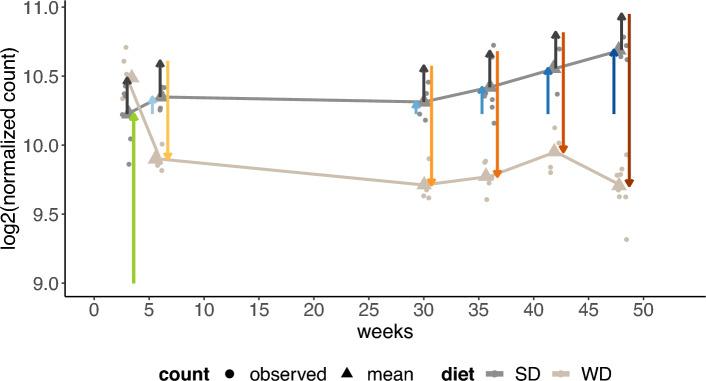
High throughput RNA sequencing experiments are widely conducted and analyzed to identify differentially expressed genes (DEGs). The statistical models calculated for this task are often not clear to practitioners, and analyses may not be optimally tailored to the research hypothesis. Often, interaction effects (IEs) are the mathematical equivalent of the biological research question but are not considered for different reasons. We fill this gap by explaining and presenting the potential benefit of IEs in the search for DEGs using RNA-Seq data of mice that receive different diets for different time periods. Using an IE model leads to a smaller, but likely more biologically informative set of DEGs compared to a common approach that avoids the calculation of IEs.
高通量 RNA 测序实验被广泛开展和分析,以鉴定差异表达基因(DEGs)。为此任务计算的统计模型通常对从业者来说不够清晰,并且分析可能没有针对研究假设进行最佳调整。通常,交互效应(IEs)在数学上等同于生物学研究问题,但由于各种原因而未被考虑。我们通过使用接受不同饮食的小鼠的 RNA-Seq 数据来解释和展示 IE 在寻找 DEGs 中的潜在益处来填补这一空白。与避免计算 IE 的常见方法相比,使用 IE 模型可得到更小但可能更具生物学意义的 DEG 集。


 Zotero 插件