
心源性休克中的机械循环支持
Mechanical circulatory support in cardiogenic shock.
作者信息
Nakata Jun, Yamamoto Takeshi, Saku Keita, Ikeda Yuki, Unoki Takashi, Asai Kuniya
机构信息
Division of Cardiovascular Intensive Care, Nippon Medical School Hospital, 1-1-5 Sendagi, Bunkyo-Ku, Tokyo, 113-8603, Japan.
Department of Cardiovascular Dynamics, National Cerebral and Cardiovascular Center Research, Suita, Osaka, Japan.
出版信息
J Intensive Care. 2023 Dec 19;11(1):64. doi: 10.1186/s40560-023-00710-2.
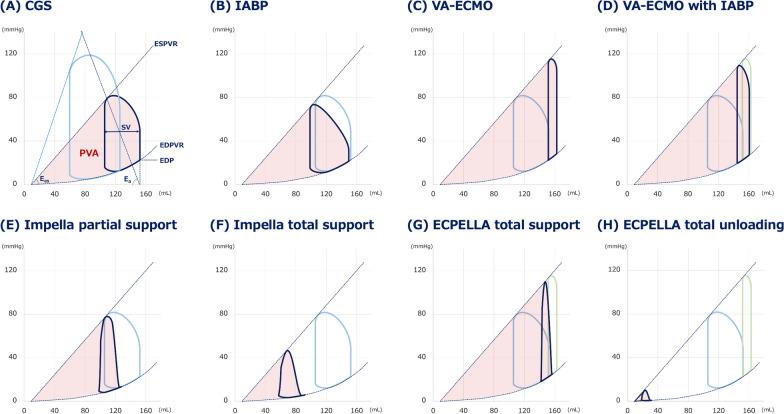
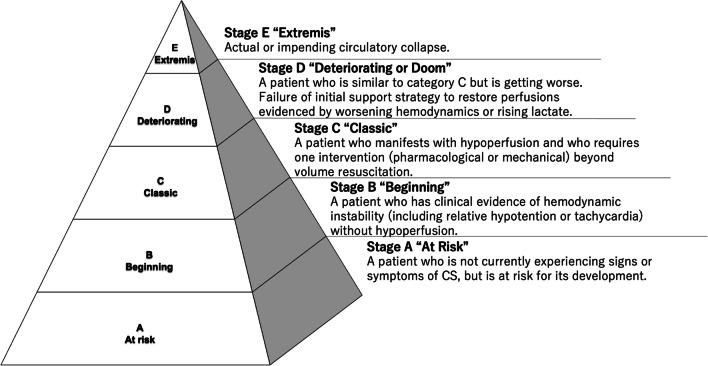
Cardiogenic shock is a complex and diverse pathological condition characterized by reduced myocardial contractility. The goal of treatment of cardiogenic shock is to improve abnormal hemodynamics and maintain adequate tissue perfusion in organs. If hypotension and insufficient tissue perfusion persist despite initial therapy, temporary mechanical circulatory support (t-MCS) should be initiated. This decade sees the beginning of a new era of cardiogenic shock management using t-MCS through the accumulated experience with use of intra-aortic balloon pump (IABP) and venoarterial extracorporeal membrane oxygenation (VA-ECMO), as well as new revolutionary devices or systems such as transvalvular axial flow pump (Impella) and a combination of VA-ECMO and Impella (ECPELLA) based on the knowledge of circulatory physiology. In this transitional period, we outline the approach to the management of cardiogenic shock by t-MCS. The management strategy involves carefully selecting one or a combination of the t-MCS devices, taking into account the characteristics of each device and the specific pathological condition. This selection is guided by monitoring of hemodynamics, classification of shock stage, risk stratification, and coordinated management by the multidisciplinary shock team.
心源性休克是一种复杂多样的病理状态,其特征为心肌收缩力降低。心源性休克的治疗目标是改善异常的血流动力学,并维持器官充足的组织灌注。如果初始治疗后低血压和组织灌注不足仍然持续,则应启动临时机械循环支持(t-MCS)。通过主动脉内球囊反搏(IABP)和静脉-动脉体外膜肺氧合(VA-ECMO)的使用积累的经验,以及基于循环生理学知识的新型革命性设备或系统,如经瓣膜轴流泵(Impella)和VA-ECMO与Impella的组合(ECPELLA),这十年见证了使用t-MCS进行心源性休克管理新时代的开端。在这个过渡时期,我们概述了通过t-MCS管理心源性休克的方法。管理策略包括根据每种设备的特点和具体病理状况,仔细选择一种或多种t-MCS设备。这种选择以血流动力学监测、休克阶段分类、风险分层以及多学科休克团队的协调管理为指导。



 Zotero 插件