
皮肤伤口愈合中的代谢重编程
Metabolic reprogramming in skin wound healing.
作者信息
Wang Zitong, Zhao Feng, Xu Chengcheng, Zhang Qiqi, Ren Haiyue, Huang Xing, He Cai, Ma Jiajie, Wang Zhe
机构信息
Department of Pathology, Shengjing Hospital of China Medical University, Shenyang, No. 36 Sanhao Street, Shenyang, 110004, China.
Department of Stem Cells and Regenerative Medicine, Shenyang Key Laboratory of Stem Cell and Regenerative Medicine, China Medical University, No. 77 Puhe Road, Shenyang, 110013, China.
出版信息
Burns Trauma. 2024 Jan 2;12:tkad047. doi: 10.1093/burnst/tkad047. eCollection 2024.
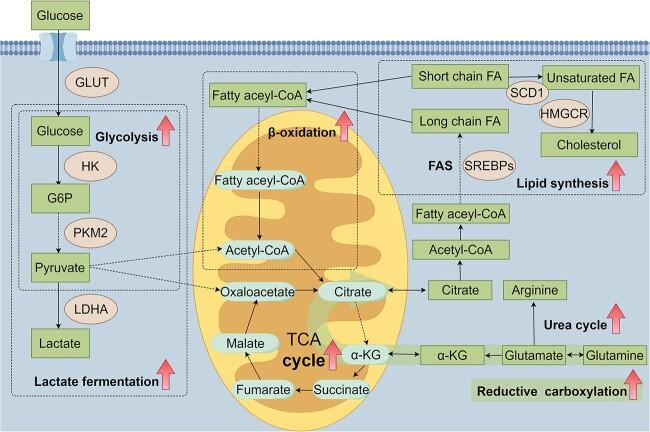
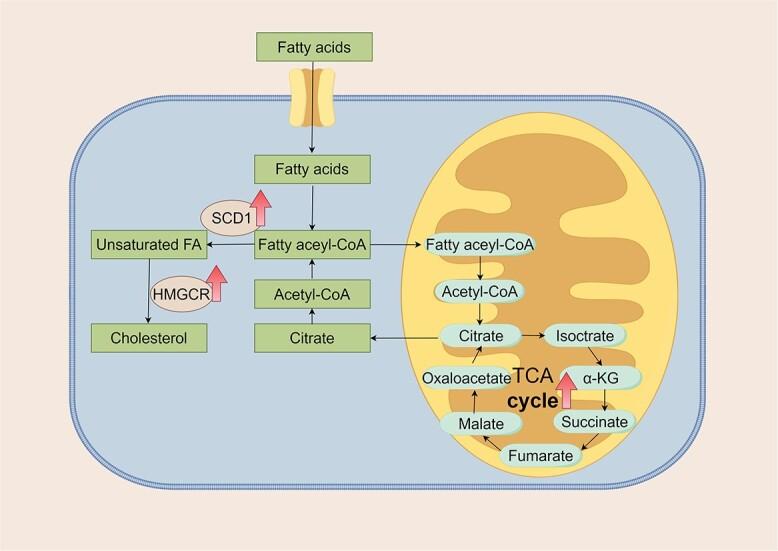
Metabolic reprogramming refers to the ability of a cell to alter its metabolism in response to different stimuli and forms of pressure. It helps cells resist external stress and provides them with new functions. Skin wound healing involves the metabolic reprogramming of nutrients, such as glucose, lipids, and amino acids, which play vital roles in the proliferation, differentiation, and migration of multiple cell types. During the glucose metabolic process in wounds, glucose transporters and key enzymes cause elevated metabolite levels. Glucose-mediated oxidative stress drives the proinflammatory response and promotes wound healing. Reprogramming lipid metabolism increases the number of fibroblasts and decreases the number of macrophages. It enhances local neovascularization and improves fibrin stability to promote extracellular matrix remodelling, accelerates wound healing, and reduces scar formation. Reprogramming amino acid metabolism affects wound re-epithelialization, collagen deposition, and angiogenesis. However, comprehensive reviews on the role of metabolic reprogramming in skin wound healing are lacking. Therefore, we have systematically reviewed the metabolic reprogramming of glucose, lipids, and amino acids during skin wound healing. Notably, we identified their targets with potential therapeutic value and elucidated their mechanisms of action.
代谢重编程是指细胞响应不同刺激和压力形式而改变其代谢的能力。它有助于细胞抵抗外部压力并为其提供新功能。皮肤伤口愈合涉及营养物质(如葡萄糖、脂质和氨基酸)的代谢重编程,这些营养物质在多种细胞类型的增殖、分化和迁移中发挥着至关重要的作用。在伤口的葡萄糖代谢过程中,葡萄糖转运蛋白和关键酶会导致代谢物水平升高。葡萄糖介导的氧化应激驱动促炎反应并促进伤口愈合。脂质代谢重编程会增加成纤维细胞数量并减少巨噬细胞数量。它增强局部新血管形成并改善纤维蛋白稳定性以促进细胞外基质重塑,加速伤口愈合并减少瘢痕形成。氨基酸代谢重编程影响伤口再上皮化、胶原蛋白沉积和血管生成。然而,目前缺乏关于代谢重编程在皮肤伤口愈合中作用的全面综述。因此,我们系统地综述了皮肤伤口愈合过程中葡萄糖、脂质和氨基酸的代谢重编程。值得注意的是,我们确定了它们具有潜在治疗价值的靶点并阐明了其作用机制。



 Zotero 插件