
混合多种塑料制成的表面亲水化塑料废料集料对砂浆力学性能的影响。
Effect of Surface Hydrophilized Plastic Waste Aggregates Made by Mixing Various Kinds of Plastic on Mechanical Properties of Mortar.
作者信息
Kim Kyung-Min, Cho Young-Keun
机构信息
Construction Technology Research Center, Korea Conformity Laboratories (KCL), 199, Gasan Digital 1-ro, Geumcheon-gu, Seoul 08503, Republic of Korea.
出版信息
Materials (Basel). 2024 Jan 2;17(1):247. doi: 10.3390/ma17010247.
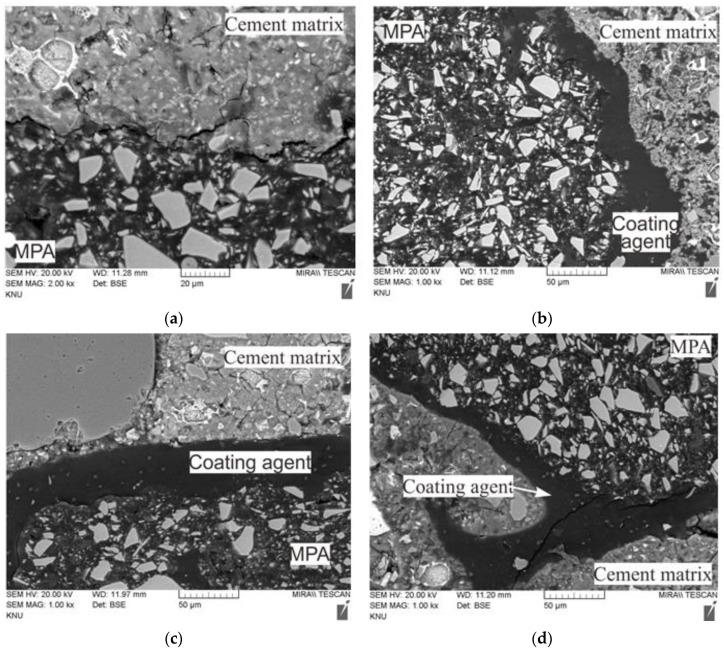
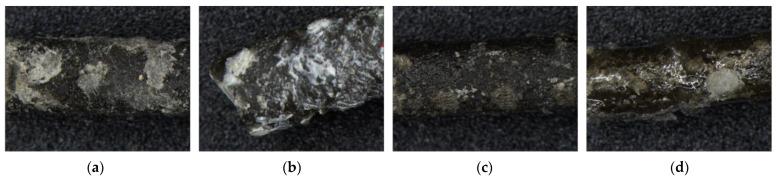
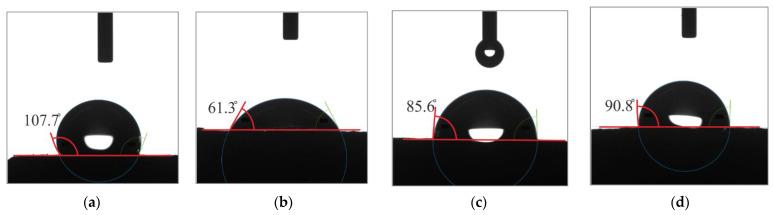
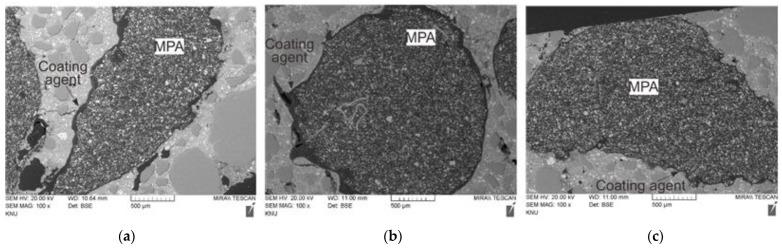
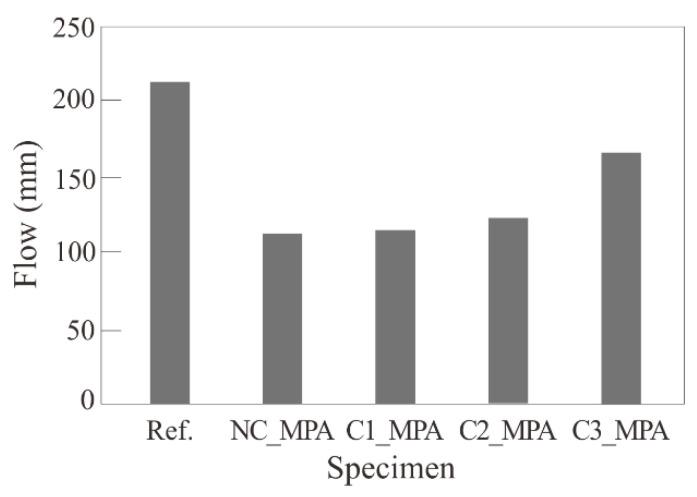
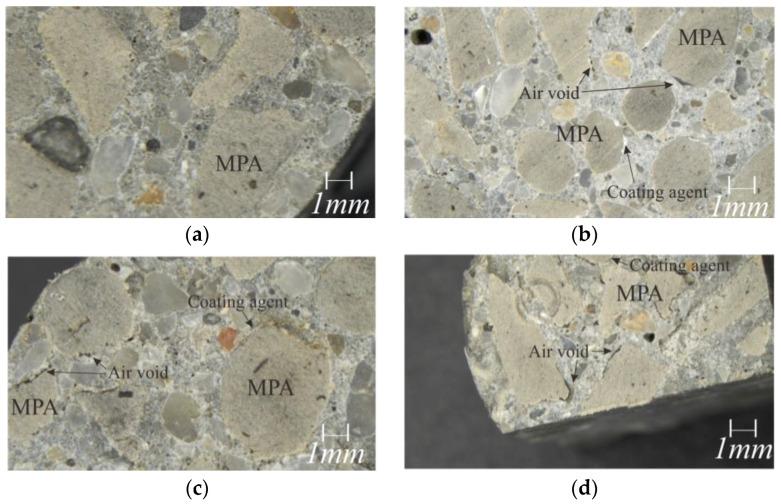
The surface hydrophilization of mixed plastic waste aggregates (MPAs) was conducted to improve the bond between an MPA and the surrounding cement matrix using two types of coating agents: a silicone amine resin and acrylic binders. The coating agents formed a physical bond with the MPAs, and the results of contact angle measurement also revealed that the surface of MPAs was hydrophilic. The workability of a mortar mix increased by up to 1.47 times with the surface hydrophilization of MPAs. Meanwhile, the compressive and flexural strengths of mortar mixes decreased by 2943% and 7286%, respectively, at 28 days with the surface hydrophilization of MPAs. Namely, the surface hydrophilization of MPAs was successively conducted, and the workability of mortar mixes was improved accordingly, but the compressive and flexural strengths of mortar mixes decreased as the physical bond was partially separated from not only the MPA but also the surrounding cement matrix and the surface friction was decreased.
采用两种类型的涂层剂(硅氧烷胺树脂和丙烯酸粘合剂)对混合塑料废料骨料(MPA)进行表面亲水化处理,以改善MPA与周围水泥基体之间的粘结。涂层剂与MPA形成了物理粘结,接触角测量结果也表明MPA的表面是亲水的。随着MPA表面亲水化,砂浆混合物的工作性提高了1.47倍。同时,在28天时,随着MPA表面亲水化,砂浆混合物的抗压强度和抗折强度分别降低了29%至43%和72%至86%。也就是说,MPA的表面亲水化处理得以顺利进行,砂浆混合物的工作性相应提高,但由于物理粘结不仅与MPA而且与周围水泥基体部分分离,表面摩擦力降低,砂浆混合物的抗压强度和抗折强度降低。




 Zotero 插件