
产前及孕前母亲压力的胎盘转录组特征
Placental transcriptomic signatures of prenatal and preconceptional maternal stress.
作者信息
Baker Brennan H, Freije Sophie, MacDonald James W, Bammler Theo K, Benson Ciara, Carroll Kecia N, Enquobahrie Daniel A, Karr Catherine J, LeWinn Kaja Z, Zhao Qi, Bush Nicole R, Sathyanarayana Sheela, Paquette Alison G
机构信息
University of Washington, Seattle, WA, USA.
Seattle Children's Research Institute, Seattle, WA, USA.
出版信息
Mol Psychiatry. 2024 Apr;29(4):1179-1191. doi: 10.1038/s41380-023-02403-6. Epub 2024 Jan 11.
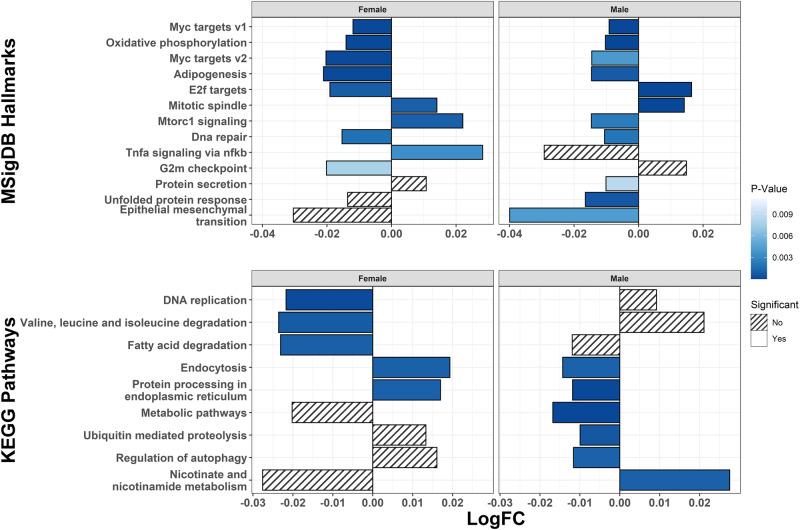
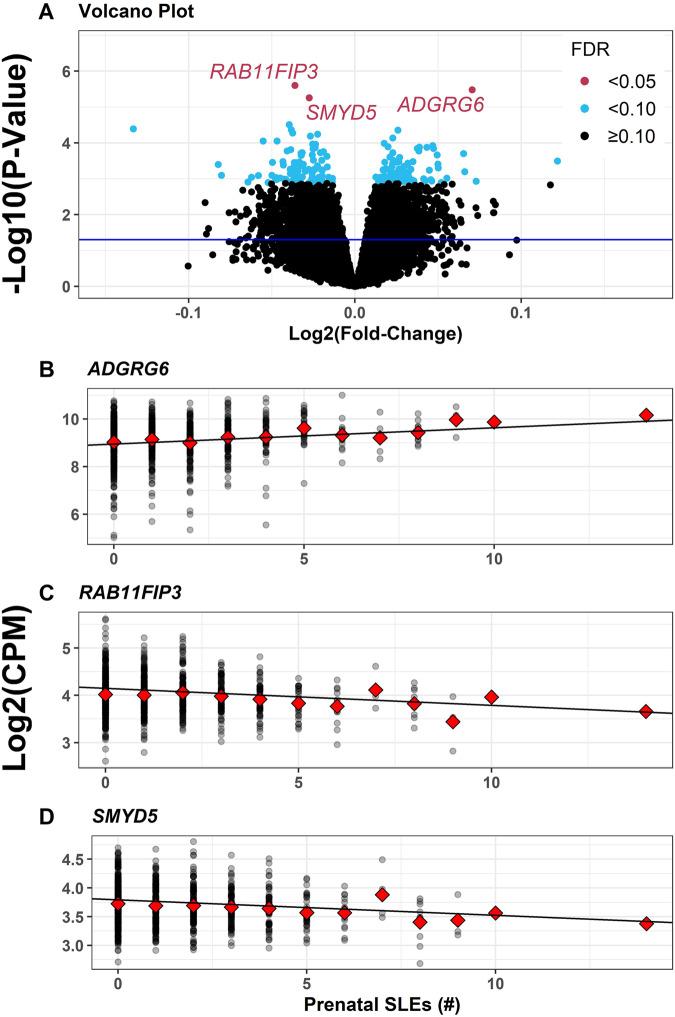
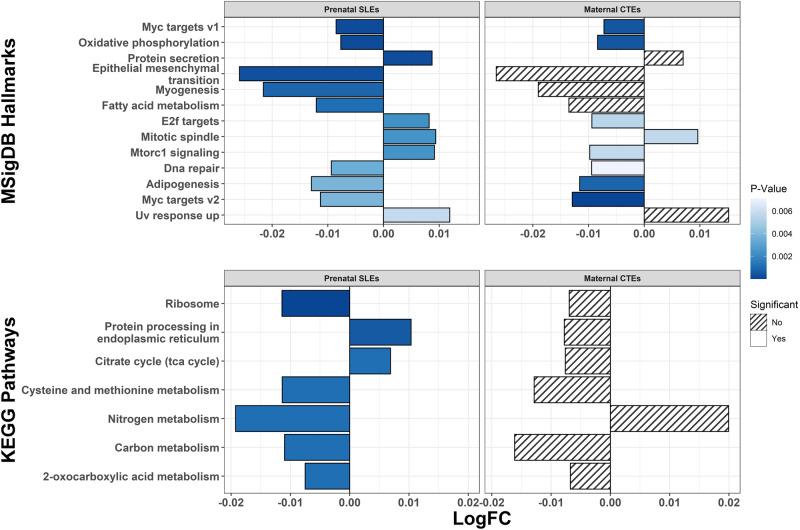
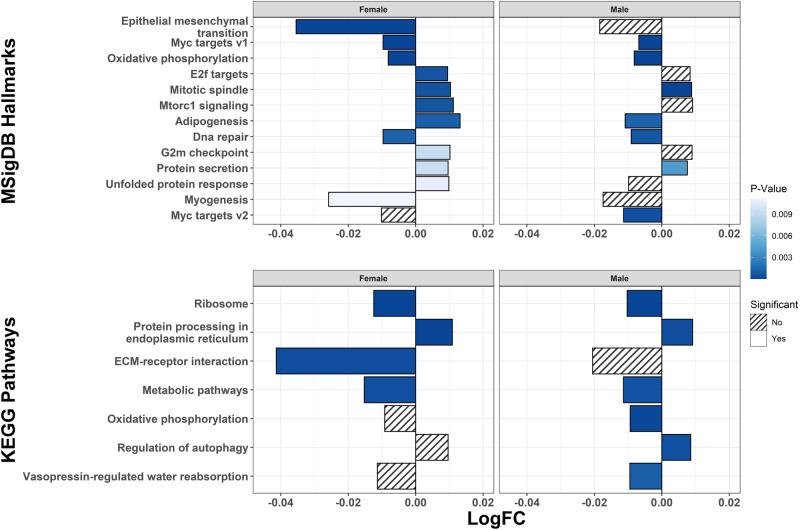
Prenatal exposure to maternal psychological stress is associated with increased risk for adverse birth and child health outcomes. Accumulating evidence suggests that preconceptional maternal stress may also be transmitted intergenerationally to negatively impact offspring. However, understanding of mechanisms linking these exposures to offspring outcomes, particularly those related to placenta, is limited. Using RNA sequencing, we identified placental transcriptomic signatures associated with maternal prenatal stressful life events (SLEs) and childhood traumatic events (CTEs) in 1 029 mother-child pairs in two birth cohorts from Washington state and Memphis, Tennessee. We evaluated individual gene-SLE/CTE associations and performed an ensemble of gene set enrichment analyses combing across 11 popular enrichment methods. Higher number of prenatal SLEs was significantly (FDR < 0.05) associated with increased expression of ADGRG6, a placental tissue-specific gene critical in placental remodeling, and decreased expression of RAB11FIP3, an endocytosis and endocytic recycling gene, and SMYD5, a histone methyltransferase. Prenatal SLEs and maternal CTEs were associated with gene sets related to several biological pathways, including upregulation of protein processing in the endoplasmic reticulum, protein secretion, and ubiquitin mediated proteolysis, and down regulation of ribosome, epithelial mesenchymal transition, DNA repair, MYC targets, and amino acid-related pathways. The directional associations in these pathways corroborate prior non-transcriptomic mechanistic studies of psychological stress and mental health disorders, and have previously been implicated in pregnancy complications and adverse birth outcomes. Accordingly, our findings suggest that maternal exposure to psychosocial stressors during pregnancy as well as the mother's childhood may disrupt placental function, which may ultimately contribute to adverse pregnancy, birth, and child health outcomes.
产前暴露于母亲的心理压力与不良出生和儿童健康结局风险增加有关。越来越多的证据表明,孕前母亲的压力也可能代际传递,对后代产生负面影响。然而,对于将这些暴露与后代结局联系起来的机制,尤其是与胎盘相关的机制,了解有限。我们使用RNA测序,在来自华盛顿州和田纳西州孟菲斯的两个出生队列中的1029对母婴中,确定了与母亲产前应激性生活事件(SLE)和童年创伤事件(CTE)相关的胎盘转录组特征。我们评估了单个基因与SLE/CTE的关联,并结合11种常用的富集方法进行了一组基因集富集分析。产前SLE数量较多与ADGRG6(胎盘重塑中关键的胎盘组织特异性基因)表达增加、RAB11FIP3(一种内吞和内吞再循环基因)和SMYD5(一种组蛋白甲基转移酶)表达降低显著相关(FDR<0.05)。产前SLE和母亲的CTE与几个生物学途径相关的基因集有关,包括内质网中的蛋白质加工、蛋白质分泌和泛素介导的蛋白水解上调,以及核糖体、上皮-间质转化、DNA修复、MYC靶点和氨基酸相关途径下调。这些途径中的方向性关联证实了先前关于心理压力和精神健康障碍的非转录组学机制研究,并且先前已涉及妊娠并发症和不良出生结局。因此,我们的研究结果表明,母亲在孕期暴露于心理社会压力源以及母亲的童年经历可能会破坏胎盘功能,这最终可能导致不良妊娠、出生和儿童健康结局。

 Zotero 插件