
肠道-大脑轴与年龄相关变化对神经退行性疾病的影响。
The contribution of age-related changes in the gut-brain axis to neurological disorders.
机构信息
Department of Neurology, McGovern Medical School, The University of Texas Health Science Center at Houston, Houston, TX, USA.
University of Texas MD Anderson Cancer Center UTHealth Graduate School of Biomedical Sciences, Houston, TX, USA.
出版信息
Gut Microbes. 2024 Jan-Dec;16(1):2302801. doi: 10.1080/19490976.2024.2302801. Epub 2024 Jan 18.
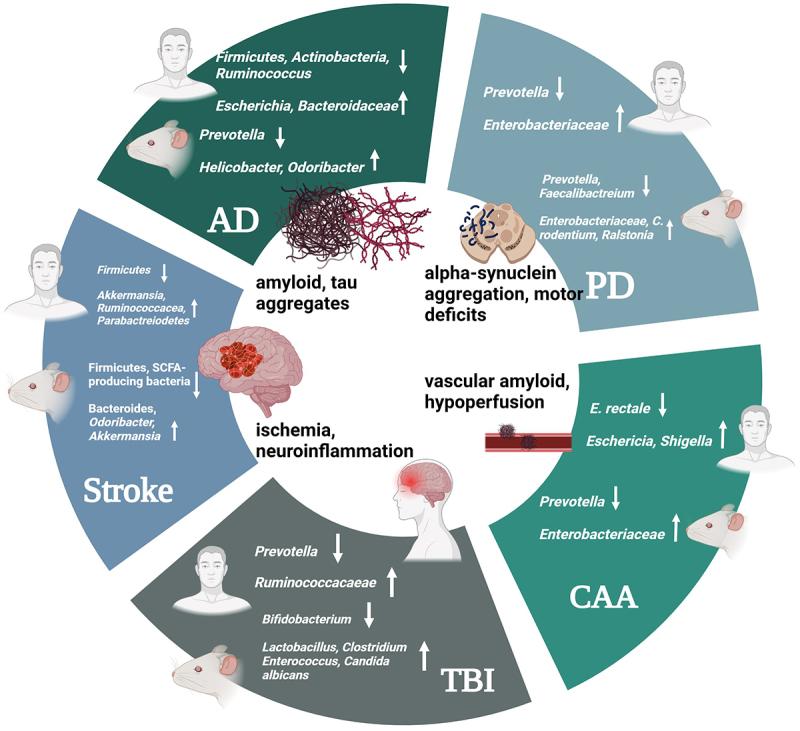
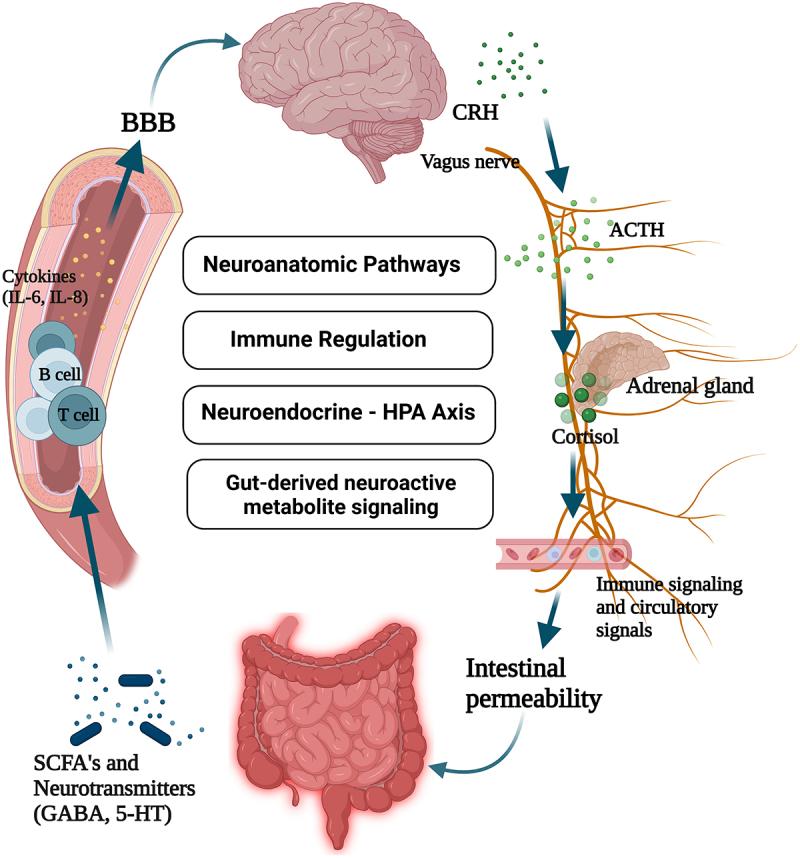
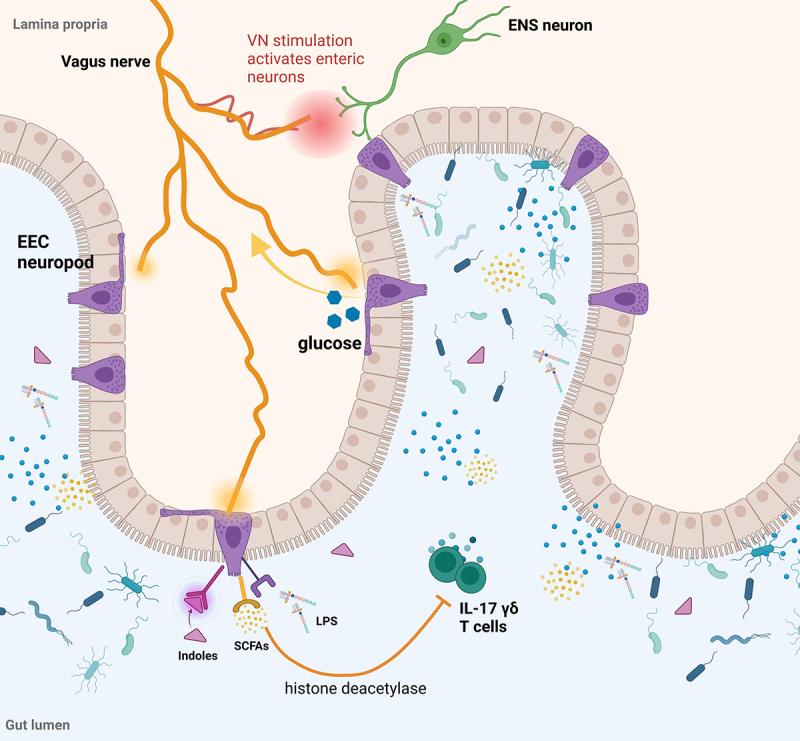
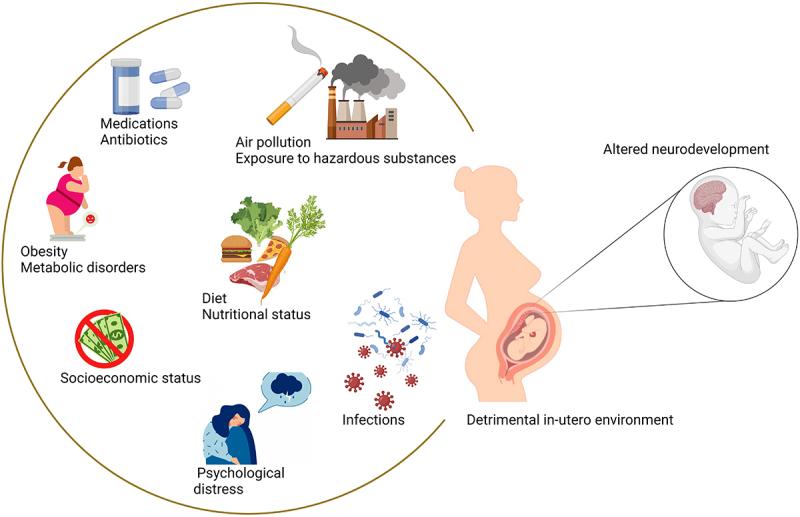
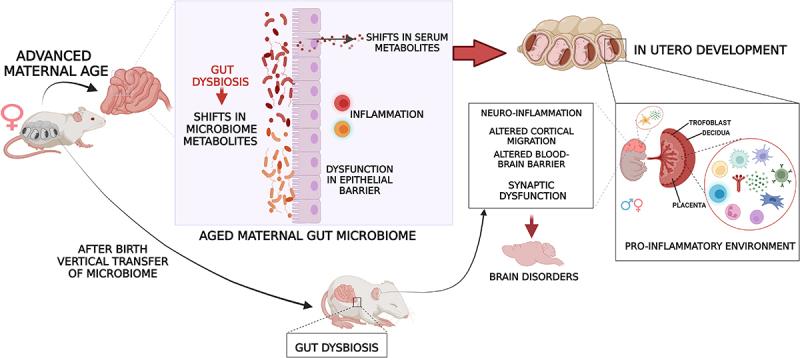
Trillions of microbes live symbiotically in the host, specifically in mucosal tissues such as the gut. Recent advances in metagenomics and metabolomics have revealed that the gut microbiota plays a critical role in the regulation of host immunity and metabolism, communicating through bidirectional interactions in the microbiota-gut-brain axis (MGBA). The gut microbiota regulates both gut and systemic immunity and contributes to the neurodevelopment and behaviors of the host. With aging, the composition of the microbiota changes, and emerging studies have linked these shifts in microbial populations to age-related neurological diseases (NDs). Preclinical studies have demonstrated that gut microbiota-targeted therapies can improve behavioral outcomes in the host by modulating microbial, metabolomic, and immunological profiles. In this review, we discuss the pathways of brain-to-gut or gut-to-brain signaling and summarize the role of gut microbiota and microbial metabolites across the lifespan and in disease. We highlight recent studies investigating 1) microbial changes with aging; 2) how aging of the maternal microbiome can affect offspring health; and 3) the contribution of the microbiome to both chronic age-related diseases (e.g., Parkinson's disease, Alzheimer's disease and cerebral amyloidosis), and acute brain injury, including ischemic stroke and traumatic brain injury.
数以万亿计的微生物共生在宿主中,特别是在肠道等黏膜组织中。宏基因组学和代谢组学的最新进展表明,肠道微生物群在宿主免疫和代谢的调节中起着关键作用,通过微生物群-肠道-大脑轴 (MGBA) 的双向相互作用进行交流。肠道微生物群调节肠道和全身免疫,并为宿主的神经发育和行为做出贡献。随着年龄的增长,微生物群的组成发生变化,新兴的研究将这些微生物种群的变化与与年龄相关的神经退行性疾病 (NDs) 联系起来。临床前研究表明,通过调节微生物、代谢组和免疫学特征,靶向肠道微生物群的治疗方法可以改善宿主的行为结果。在这篇综述中,我们讨论了大脑到肠道或肠道到大脑信号的途径,并总结了肠道微生物群和微生物代谢物在整个生命周期和疾病中的作用。我们强调了最近的研究,这些研究调查了 1)随着年龄的增长微生物的变化;2)母体微生物群的衰老如何影响后代的健康;3)微生物组对慢性与年龄相关的疾病(例如帕金森病、阿尔茨海默病和脑淀粉样血管病)以及急性脑损伤(包括缺血性中风和创伤性脑损伤)的贡献。
 Zotero 插件