
3D生物打印心脏组织及其疾病建模潜力。
3D-bioprinted cardiac tissues and their potential for disease modeling.
作者信息
Restan Perez Milena, da Silva Victor Alisson, Cortez Polette Esmeralda, Joddar Binata, Willerth Stephanie Michelle
机构信息
Axolotl Biosciences, 3800 Finnerty Road, Victoria, BC, V8W 2Y2, Canada.
Department of Mechanical Engineering, University of Victoria, 3800 Finnerty Road, Victoria, BC, V8W 2Y2, Canada.
出版信息
J 3D Print Med. 2023 Jun;7(2). doi: 10.2217/3dp-2022-0023. Epub 2023 Apr 4.
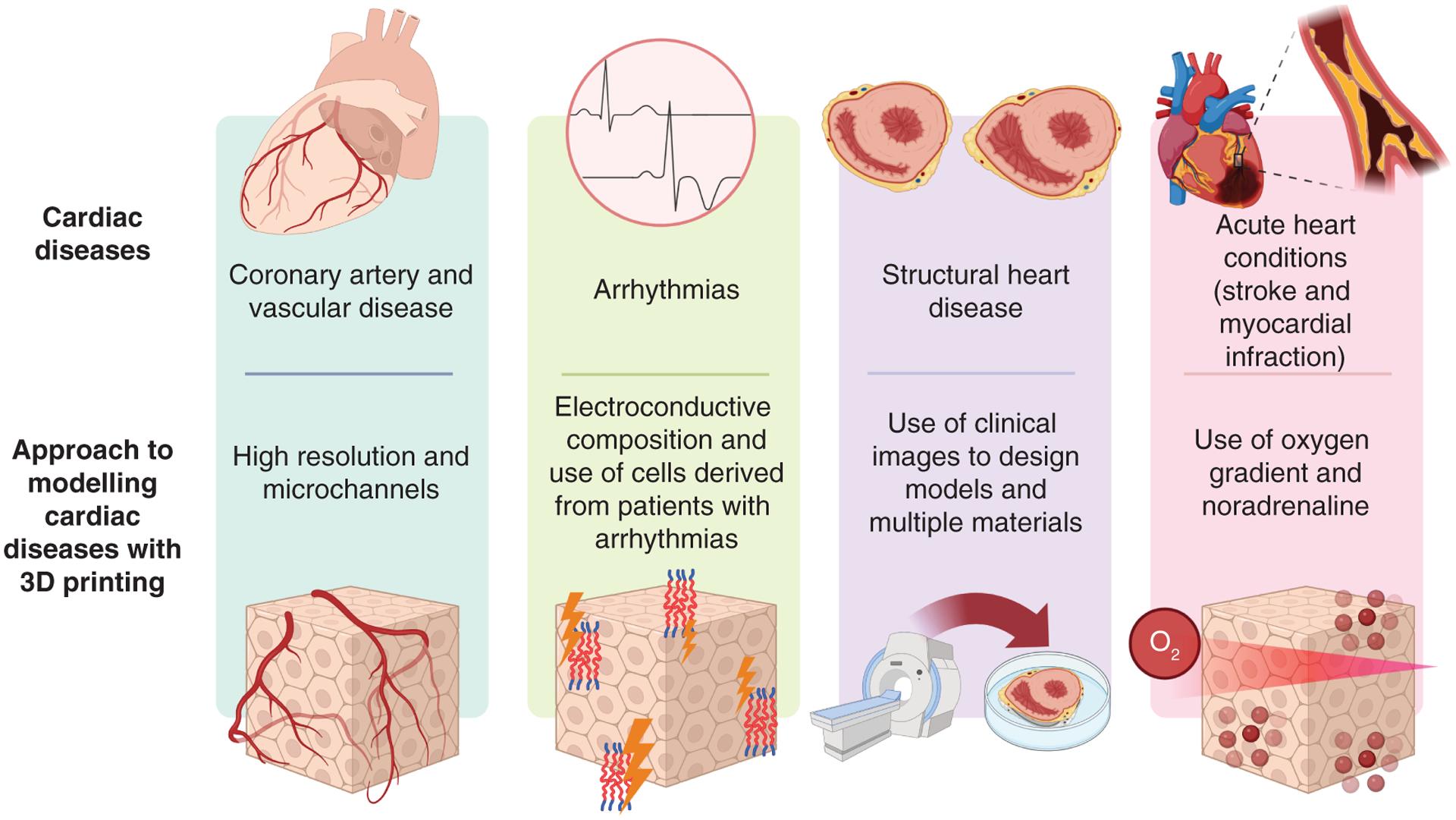
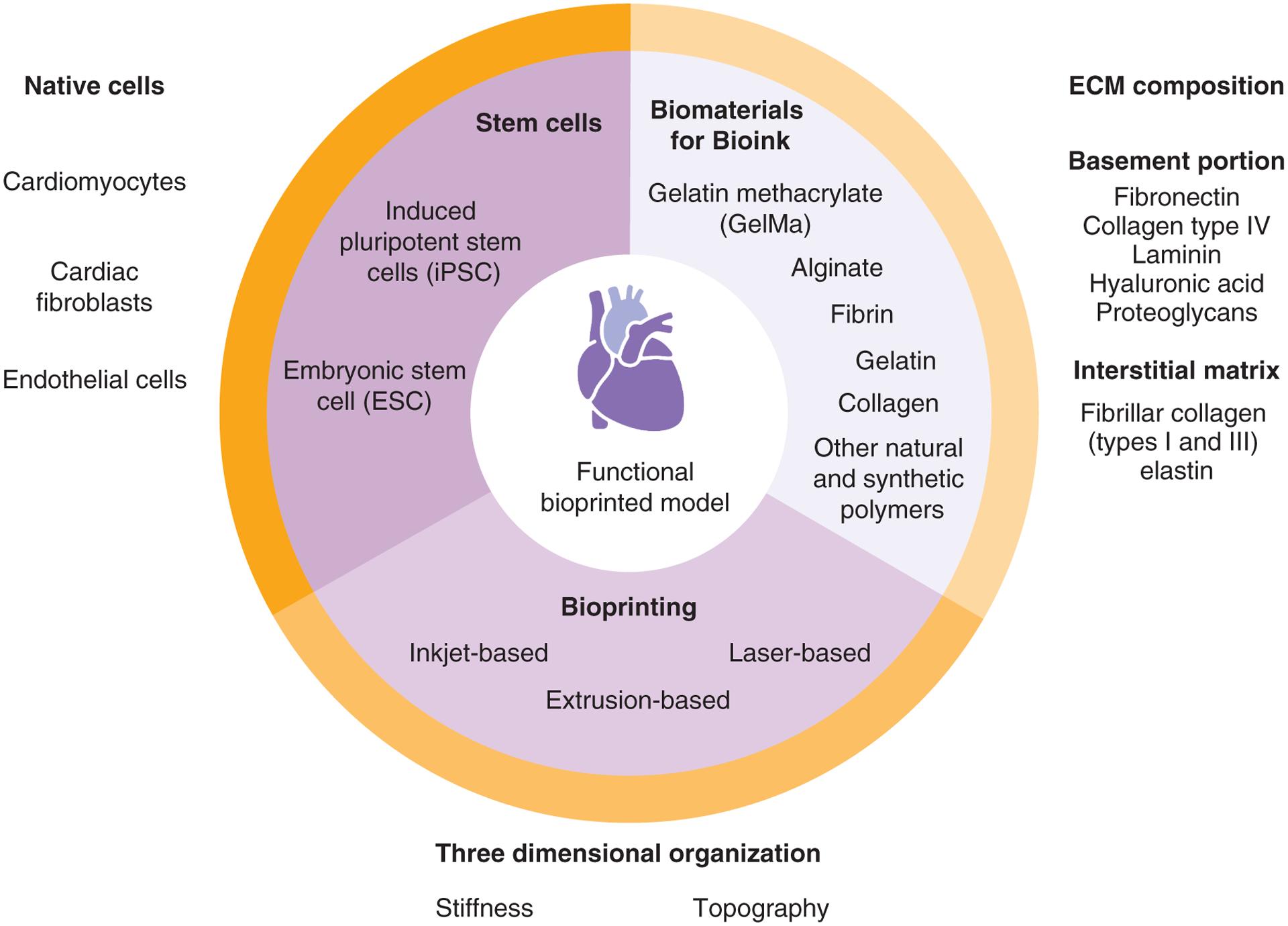
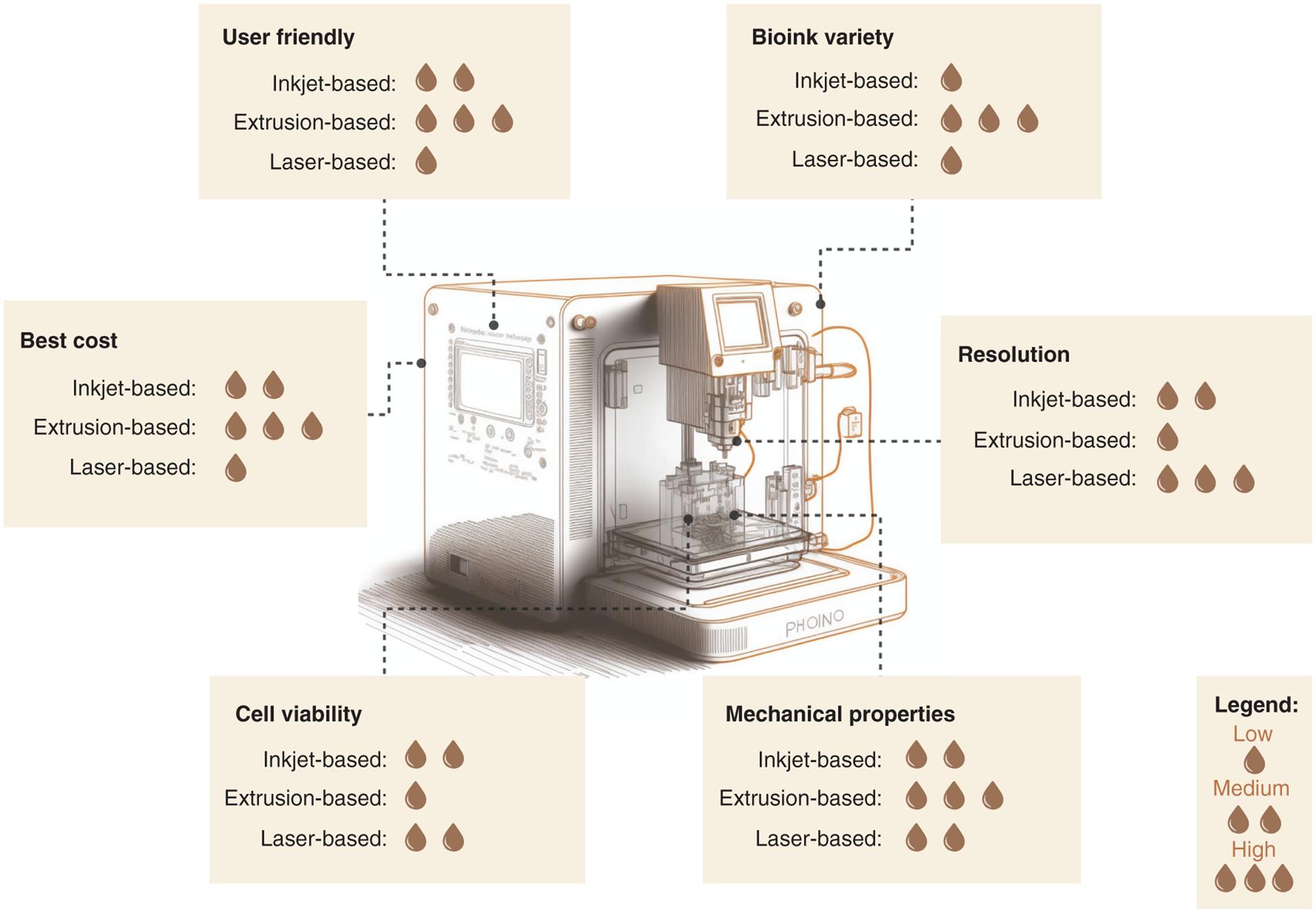
Heart diseases cause over 17.9 million total deaths globally, making them the leading source of mortality. The aim of this review is to describe the characteristic mechanical, chemical and cellular properties of human cardiac tissue and how these properties can be mimicked in 3D bioprinted tissues. Furthermore, the authors review how current healthy cardiac models are being 3D bioprinted using extrusion-, laser- and inkjet-based printers. The review then discusses the pathologies of cardiac diseases and how bioprinting could be used to fabricate models to study these diseases and potentially find new drug targets for such diseases. Finally, the challenges and future directions of cardiac disease modeling using 3D bioprinting techniques are explored.
心脏病在全球范围内导致超过1790万人死亡,使其成为主要的死亡原因。本综述的目的是描述人体心脏组织的特征性力学、化学和细胞特性,以及如何在3D生物打印组织中模拟这些特性。此外,作者还综述了目前如何使用基于挤出、激光和喷墨的打印机对健康心脏模型进行3D生物打印。该综述接着讨论了心脏病的病理学,以及生物打印如何用于制造模型来研究这些疾病,并有可能找到针对此类疾病的新药物靶点。最后,探讨了使用3D生物打印技术进行心脏病建模的挑战和未来方向。
 Zotero 插件