
细菌脂多糖诱导口腔鳞状细胞癌细胞的程序性死亡受体配体1表达及侵袭表型。
Bacterial Lipopolysaccharide Induces PD-L1 Expression and an Invasive Phenotype of Oral Squamous Cell Carcinoma Cells.
作者信息
Omori Yuji, Noguchi Kazuma, Kitamura Mizuha, Makihara Yuna, Omae Takayuki, Hanawa Soutaro, Yoshikawa Kyohei, Takaoka Kazuki, Kishimoto Hiromitsu
机构信息
Departments of Oral and Maxillofacial Surgery, School of Medicine, Hyogo Medical University, Mukogawa-cho1-1, Nishinomiya 663-8501, Japan.
出版信息
Cancers (Basel). 2024 Jan 13;16(2):343. doi: 10.3390/cancers16020343.
BACKGROUND
Expression of programmed death ligand-1 (PD-L1) is related to the prognosis of many solid malignancies, including oral squamous cell carcinoma (OSCC), but the mechanism of PD-L1 induction remains obscure. In this study, we examined the expression of PD-L1 and partial epithelial-mesenchymal transition (pEMT) induced by bacterial lipopolysaccharide (LPS) in OSCC.
METHODS
The expression of Toll-like receptor 4 (TLR4) recognizing LPS in OSCC cell lines was analyzed. Moreover, the induction of PD-L1 expression by () or () LPS and EMT was analyzed by western blotting and RT-PCR. Morphology, proliferation, migration, and invasion capacities were examined upon addition of LPS. PD-L1 within EXOs was examined.
RESULTS
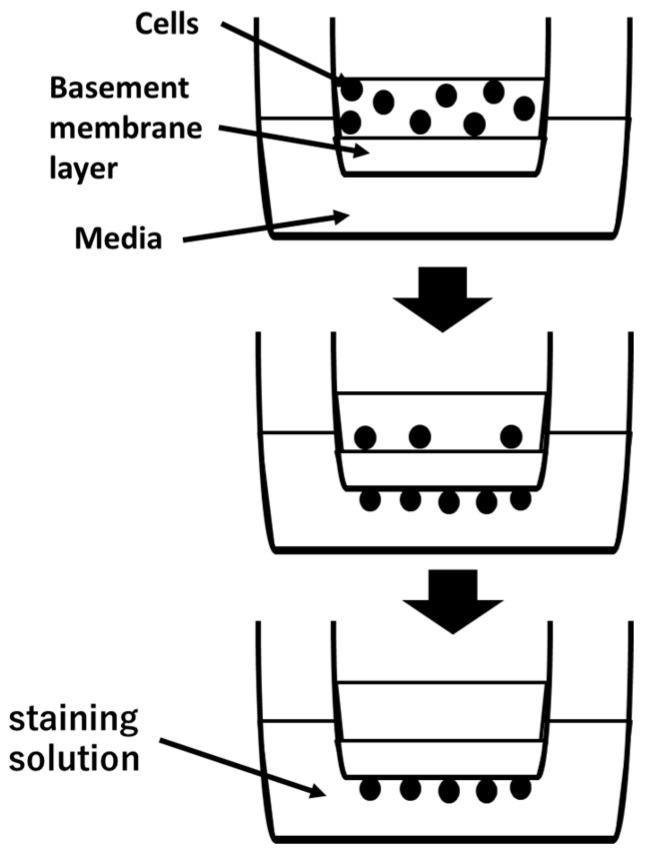
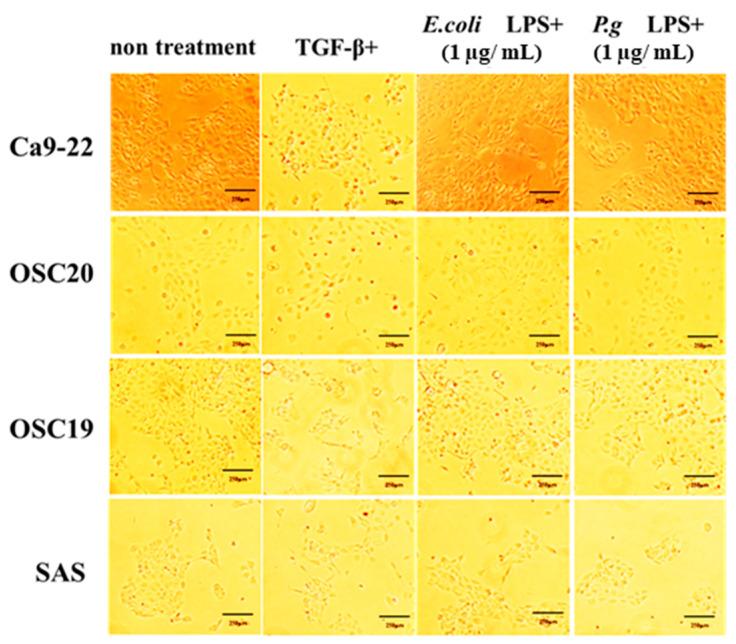
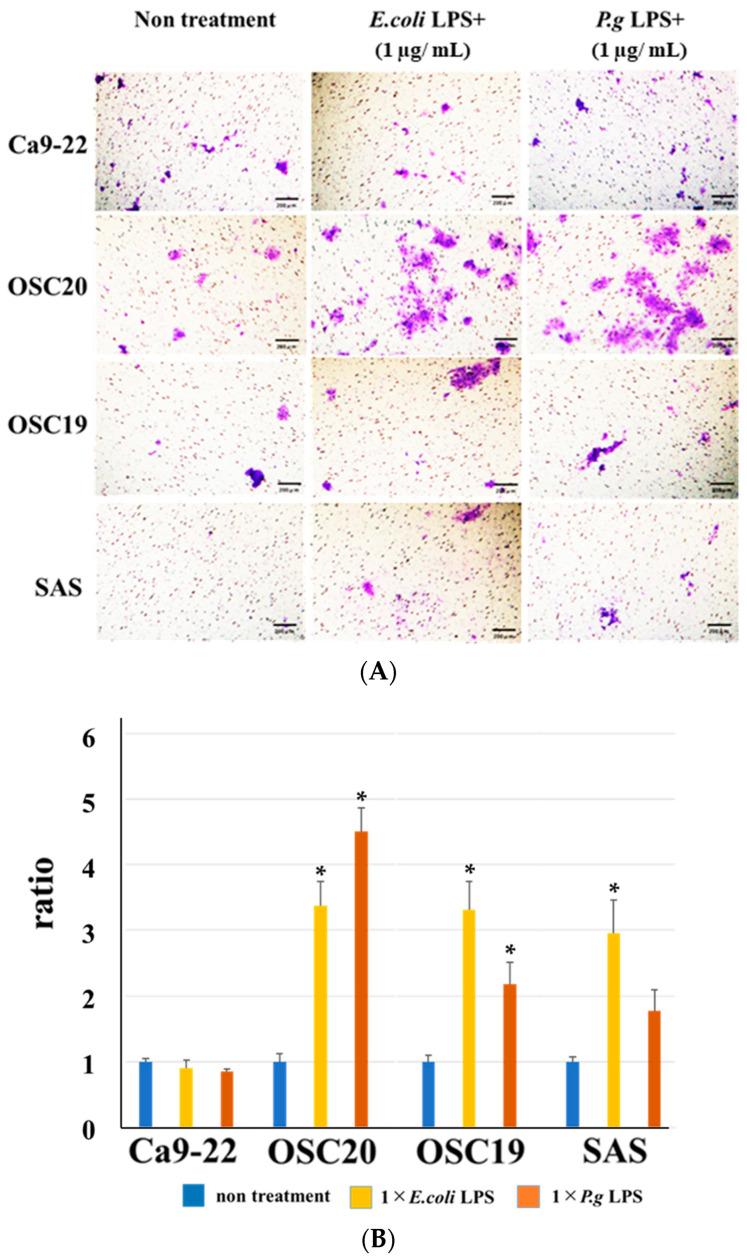
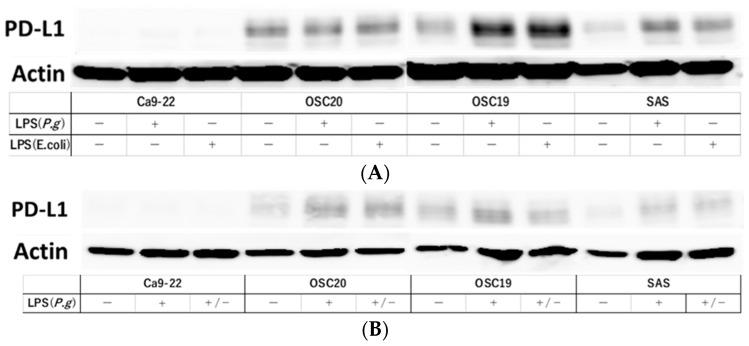
PD-L1 expression and pEMT induced by LPS of or in TLR4-expressing OSCC cell lines were observed. Addition of LPS did not change migration, proliferation, or cell morphology, but increased invasive ability. Moreover, higher expression of PD-L1 was observed in OSCC EXOs with LPS.
CONCLUSION
Oral bacterial LPS is involved in enhanced invasive potential in OSCC cells, causing PD-L1 expression and induction of pEMT. The enhancement of PD-L1 expression after addition of LPS may be mediated by EXOs.
背景
程序性死亡配体-1(PD-L1)的表达与包括口腔鳞状细胞癌(OSCC)在内的许多实体恶性肿瘤的预后相关,但PD-L1诱导的机制仍不清楚。在本研究中,我们检测了细菌脂多糖(LPS)诱导的OSCC中PD-L1的表达和部分上皮-间质转化(pEMT)。
方法
分析OSCC细胞系中识别LPS的Toll样受体4(TLR4)的表达。此外,通过蛋白质免疫印迹法和逆转录-聚合酶链反应分析()或()LPS诱导的PD-L1表达和EMT。添加LPS后检测细胞形态、增殖、迁移和侵袭能力。检测外泌体(EXOs)中的PD-L1。
结果
在表达TLR4的OSCC细胞系中观察到LPS诱导的PD-L1表达和pEMT。添加LPS不改变迁移、增殖或细胞形态,但增加侵袭能力。此外,在添加LPS的OSCC EXOs中观察到更高的PD-L1表达。
结论
口腔细菌LPS参与增强OSCC细胞的侵袭潜能,导致PD-L1表达和pEMT诱导。添加LPS后PD-L1表达的增强可能由EXOs介导。




 Zotero 插件