
通过对老年居家护理患者进行治疗性患者教育来识别积极疾病管理的障碍和药物相关问题。
Identification of Barriers for Active Disease Management and of Medication-Related Problems through Therapeutic Patient Education in Older Home-Care Patients.
作者信息
Grigolo Sabrina, Bruschi Barbara, Di Masi Diego, Bena Carla, Armando Lucrezia Greta, Cena Clara
机构信息
Department of Philosophy and Education Sciences, University of Turin, Via Sant'Ottavio 20, 10124 Turin, Italy.
Struttura Semplice Cure Domiciliari di Chivasso, Settimo Torinese, San Mauro Torinese, Via Po 11, 10034 Chivasso, Italy.
出版信息
Healthcare (Basel). 2024 Jan 17;12(2):231. doi: 10.3390/healthcare12020231.
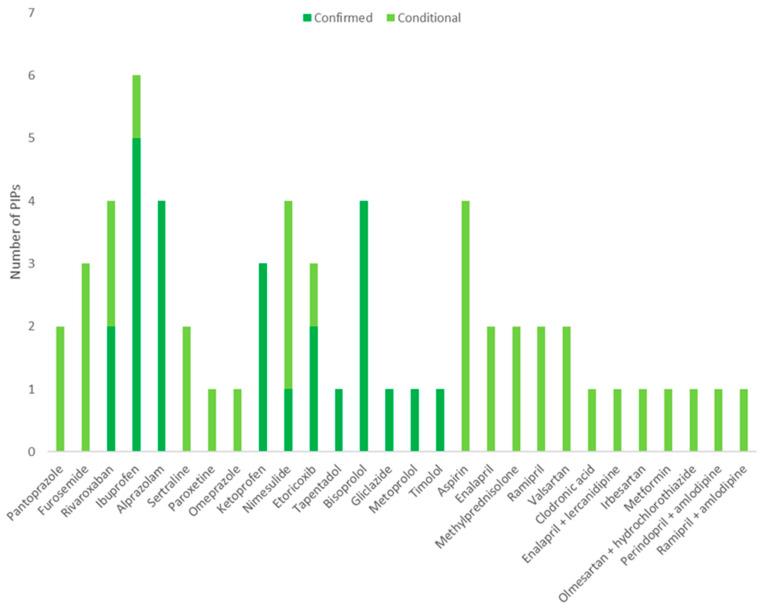
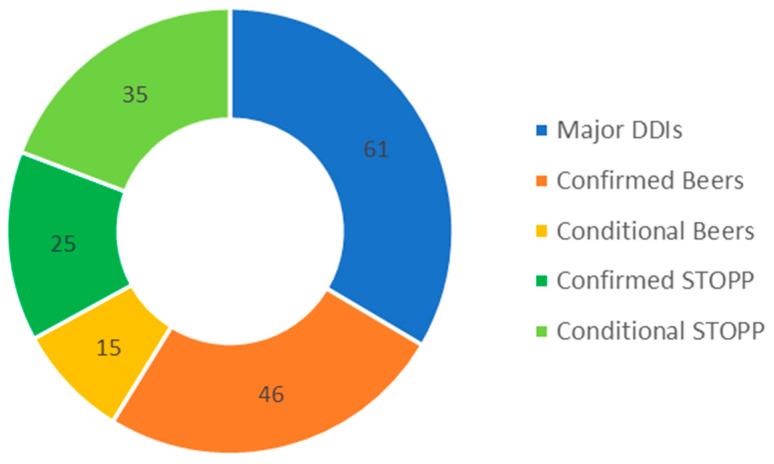
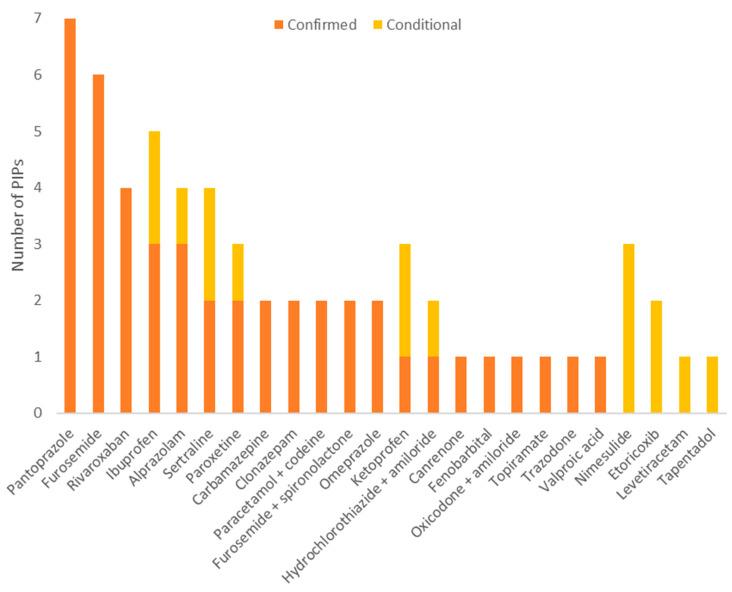
Combining therapeutic patient education (TPE) with a medication review service could foster the adoption of appropriate lifestyles by patients and support care-providers in identifying strategies to improve the quality of prescribed care. This study aimed to identify barriers experienced by patients in managing their diseases and medication-related problems. This was a monocentric, case series, observational study involving home-care patients from the Local Health Authority ASL TO4. Patients were enrolled for a TPE intervention where drug therapies and patient habits were collected through narrative interviews. Medication review was performed to identify potentially inappropriate prescriptions (PIPs). Twenty patients (13 females) with a mean age of 74.7 years were enrolled. Patients had an average of 4.3 diseases and 80.0% of them were treated with ≥5 daily medications. The main PIPs involved ibuprofen, furosemide and pantoprazole. The qualitative analysis of the interviews identified seven macro-themes relating to different aspects of medication management: therapy; diseases; patient; patient journey; professionals; family and caregivers; drug information. The results of this study revealed some critical aspects related to the treatment path and healthcare professionals. These results will be used to plan educational interventions for polypharmacy patients to improve medication adherence and the understanding and management of diseases.
将治疗性患者教育(TPE)与药物审查服务相结合,可以促进患者采取适当的生活方式,并帮助护理人员确定提高处方护理质量的策略。本研究旨在确定患者在管理疾病和药物相关问题时遇到的障碍。这是一项单中心、病例系列观察性研究,涉及当地卫生当局ASL TO4的居家护理患者。患者参加了TPE干预,通过叙述性访谈收集药物治疗和患者习惯信息。进行药物审查以确定潜在不适当处方(PIPs)。共纳入20例患者(13例女性),平均年龄74.7岁。患者平均患有4.3种疾病,其中80.0%的患者每天服用≥5种药物。主要的PIPs涉及布洛芬、呋塞米和泮托拉唑。访谈的定性分析确定了与药物管理不同方面相关的七个宏观主题:治疗;疾病;患者;患者就医过程;专业人员;家庭和护理人员;药物信息。本研究结果揭示了与治疗路径和医疗保健专业人员相关的一些关键方面。这些结果将用于为多重用药患者规划教育干预措施,以提高用药依从性以及对疾病的理解和管理。

 Zotero 插件