
血清小非编码 RNA(SncRNA)谱作为与年龄相关的肌肉失调和老年人胰岛素抵抗的分子生物标志物。
The serum small non-coding RNA (SncRNA) landscape as a molecular biomarker of age associated muscle dysregulation and insulin resistance in older adults.
机构信息
Human Development and Health Academic Unit, Faculty of Medicine, University of Southampton, Southampton, UK.
NIHR Southampton Biomedical Research Centre, University of Southampton and University Hospital Southampton NHS Foundation Trust, Southampton, UK.
出版信息
FASEB J. 2024 Feb 15;38(3):e23423. doi: 10.1096/fj.202301089RR.
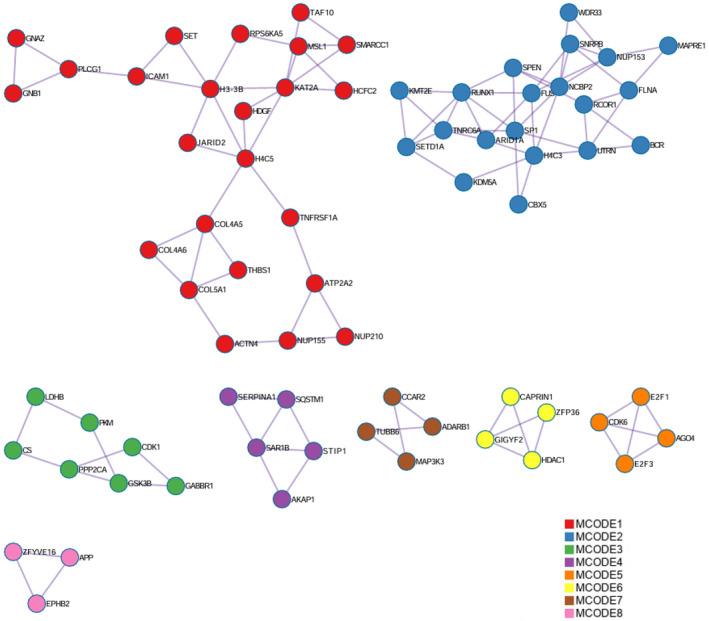
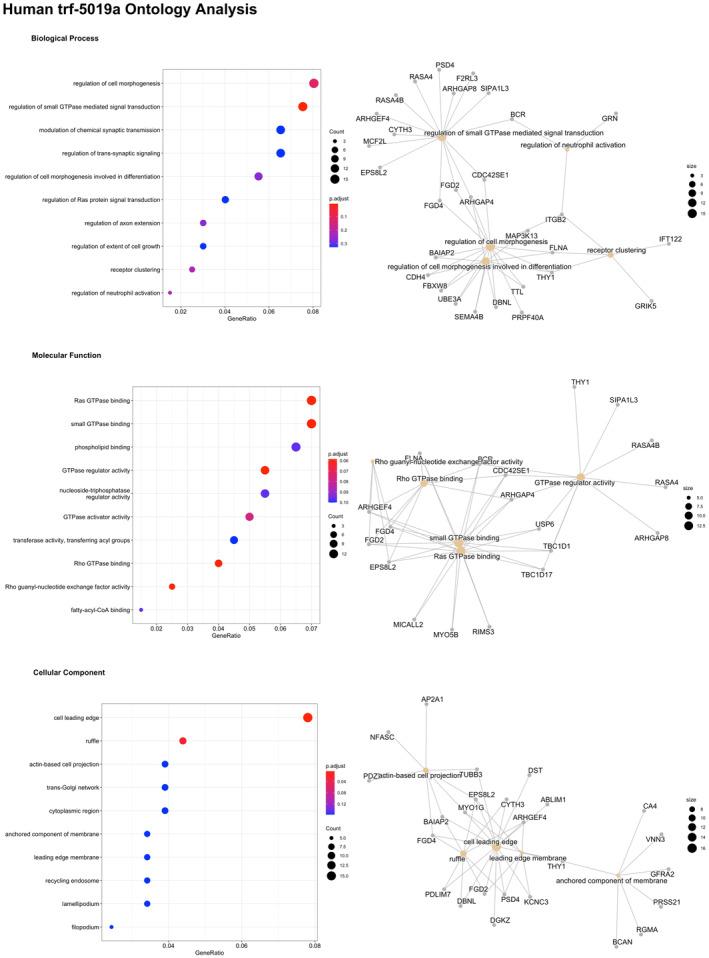
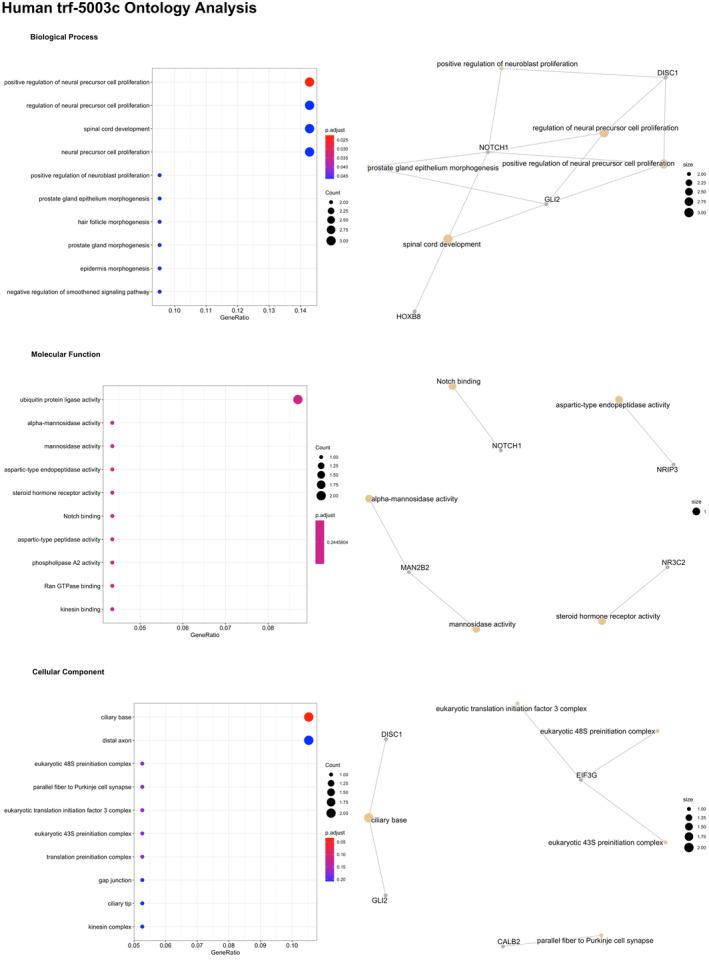
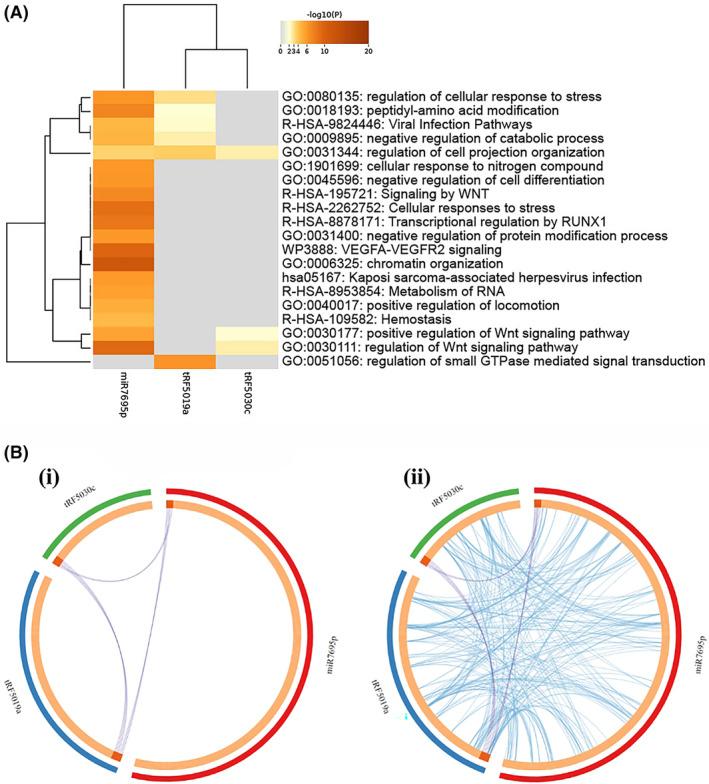
Small noncoding RNAs (sncRNAs) are implicated in age-associated pathologies, including sarcopenia and insulin resistance (IR). As potential circulating biomarkers, most studies have focussed on microRNAs (miRNAs), one class of sncRNA. This study characterized the wider circulating sncRNA transcriptome of older individuals and associations with sarcopenia and IR. sncRNA expression including miRNAs, transfer RNAs (tRNAs), tRNA-associated fragments (tRFs), and piwi-interacting RNAs (piRNAs) was measured in serum from 21 healthy and 21 sarcopenic Hertfordshire Sarcopenia Study extension women matched for age (mean 78.9 years) and HOMA2-IR. Associations with age, sarcopenia and HOMA2-IR were examined and predicted gene targets and biological pathways characterized. Of the total sncRNA among healthy controls, piRNAs were most abundant (85.3%), followed by tRNAs (4.1%), miRNAs (2.7%), and tRFs (0.5%). Age was associated (FDR < 0.05) with 2 miRNAs, 58 tRNAs, and 14 tRFs, with chromatin organization, WNT signaling, and response to stress enriched among gene targets. Sarcopenia was nominally associated (p < .05) with 12 tRNAs, 3 tRFs, and 6 piRNAs, with target genes linked to cell proliferation and differentiation such as Notch Receptor 1 (NOTCH1), DISC1 scaffold protein (DISC1), and GLI family zinc finger-2 (GLI2). HOMA2-IR was nominally associated (p<0.05) with 6 miRNAs, 9 tRNAs, 1 tRF, and 19 piRNAs, linked with lysine degradation, circadian rhythm, and fatty acid biosynthesis pathways. These findings identify changes in circulating sncRNA expression in human serum associated with chronological age, sarcopenia, and IR. These may have clinical utility as circulating biomarkers of ageing and age-associated pathologies and provide novel targets for therapeutic intervention.
小非编码 RNA(sncRNA)与衰老相关的病理有关,包括肌肉减少症和胰岛素抵抗(IR)。作为潜在的循环生物标志物,大多数研究都集中在 microRNA(miRNA)上,miRNA 是 sncRNA 的一种。本研究描述了老年人更广泛的循环 sncRNA 转录组,以及与肌肉减少症和 IR 的关联。在来自 21 名健康和 21 名肌肉减少症赫特福德郡肌肉减少症研究扩展女性的血清中测量了 sncRNA 表达,包括 miRNA、转移 RNA(tRNA)、tRNA 相关片段(tRF)和 piwi 相互作用 RNA(piRNA),这些女性按年龄(平均 78.9 岁)和 HOMA2-IR 匹配。研究了与年龄、肌肉减少症和 HOMA2-IR 的关联,并对预测的基因靶标和生物学途径进行了特征描述。在健康对照组的总 sncRNA 中,piRNA 最为丰富(85.3%),其次是 tRNA(4.1%)、miRNA(2.7%)和 tRF(0.5%)。年龄与 2 个 miRNA、58 个 tRNA 和 14 个 tRF 相关(FDR<0.05),其中富含染色质组织、WNT 信号和应激反应的基因作为靶点。肌肉减少症与 12 个 tRNA、3 个 tRF 和 6 个 piRNA 呈名义相关(p<0.05),靶基因与细胞增殖和分化有关,如 Notch 受体 1(NOTCH1)、DISC1 支架蛋白(DISC1)和 GLI 家族锌指蛋白-2(GLI2)。HOMA2-IR 与 6 个 miRNA、9 个 tRNA、1 个 tRF 和 19 个 piRNA 呈名义相关(p<0.05),与赖氨酸降解、昼夜节律和脂肪酸生物合成途径相关。这些发现确定了与人类血清中与年龄相关的 sncRNA 表达变化与年龄、肌肉减少症和 IR 相关。这些可能具有作为衰老和与年龄相关的病理的循环生物标志物的临床应用价值,并为治疗干预提供新的靶点。





 Zotero 插件