
一种用于评估端粒生物学紊乱相关基因在人类健康和衰老中的功能的 CRISPR 碱基编辑方法。
A CRISPR base editing approach for the functional assessment of telomere biology disorder-related genes in human health and aging.
机构信息
Departments of Medicine and Biochemistry and Molecular Medicine, Molecular Biology Programme, Institute for Research in Immunology and Cancer, University of Montreal, Montreal, QC, H3T 1J4, Canada.
Department of Biochemistry, Temerty Faculty of Medicine, University of Toronto, Toronto, ON, M5G 1L7, Canada.
出版信息
Biogerontology. 2024 Apr;25(2):361-378. doi: 10.1007/s10522-024-10094-x. Epub 2024 Feb 4.
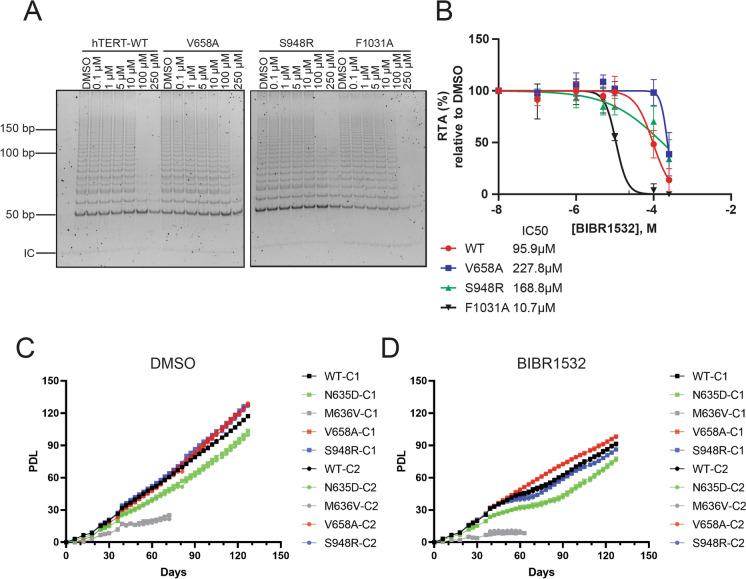
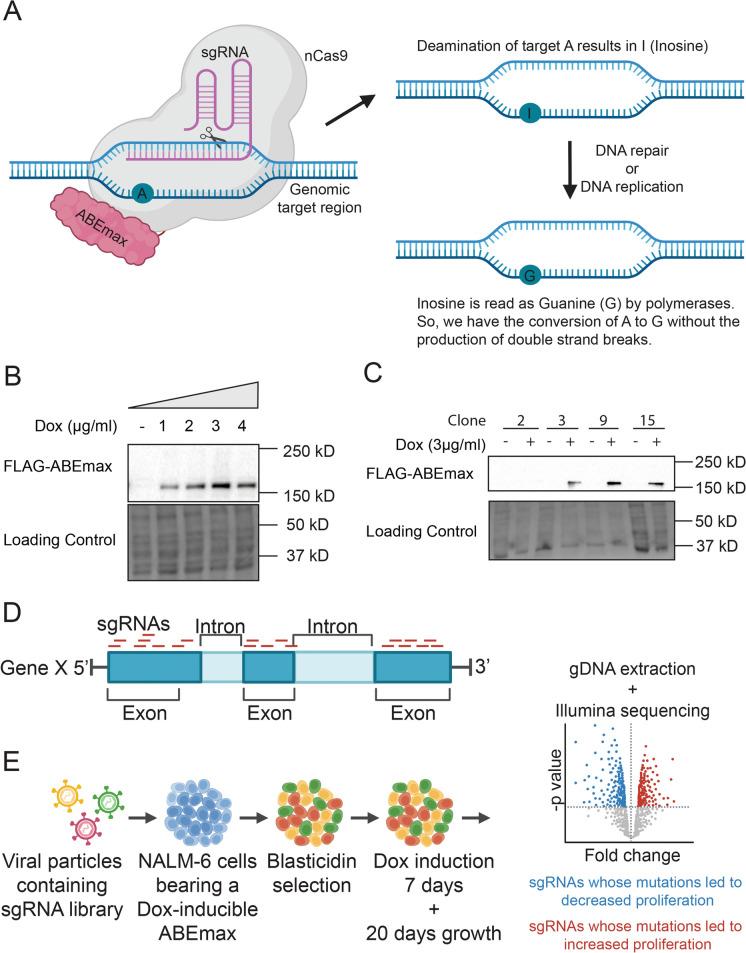
Telomere Biology Disorders (TBDs) are a group of rare diseases characterized by the presence of short and/or dysfunctional telomeres. They comprise a group of bone marrow failure syndromes, idiopathic pulmonary fibrosis, and liver disease, among other diseases. Genetic alterations (variants) in the genes responsible for telomere homeostasis have been linked to TBDs. Despite the number of variants already identified as pathogenic, an even more significant number must be better understood. The study of TBDs is challenging since identifying these variants is difficult due to their rareness, it is hard to predict their impact on the disease onset, and there are not enough samples to study. Most of our knowledge about pathogenic variants comes from assessing telomerase activity from patients and their relatives affected by a TBD. However, we still lack a cell-based model to identify new variants and to study the long-term impact of such variants on the genes involved in TBDs. Herein, we present a cell-based model using CRISPR base editing to mutagenize the endogenous alleles of 21 genes involved in telomere biology. We identified key residues in the genes encoding 17 different proteins impacting cell growth. We provide functional evidence for variants of uncertain significance in patients with TBDs. We also identified variants resistant to telomerase inhibition that, similar to cells expressing wild-type telomerase, exhibited increased tumorigenic potential using an in vitro tumour growth assay. We believe that such cell-based approaches will significantly advance our understanding of the biology of TBDs and may contribute to the development of new therapies for this group of diseases.
端粒生物学紊乱(TBDs)是一组以短端粒和/或功能失调端粒为特征的罕见疾病。它们包括一组骨髓衰竭综合征、特发性肺纤维化和肝脏疾病等疾病。端粒稳态相关基因的遗传改变(变体)与 TBDs 有关。尽管已经确定了许多致病性变体,但仍有更多的变体需要更好地理解。由于这些变体的罕见性,鉴定这些变体具有挑战性,很难预测它们对疾病发作的影响,而且没有足够的样本进行研究。我们对致病性变体的大多数了解来自评估患者及其受 TBD 影响的亲属的端粒酶活性。然而,我们仍然缺乏一种基于细胞的模型来识别新的变体,并研究此类变体对 TBD 相关基因的长期影响。在此,我们提出了一种基于 CRISPR 碱基编辑的细胞模型,用于突变参与端粒生物学的 21 个基因的内源性等位基因。我们确定了编码 17 种不同蛋白质的基因中影响细胞生长的关键残基。我们为 TBD 患者的不确定意义变体提供了功能证据。我们还鉴定了对端粒酶抑制有抗性的变体,这些变体与表达野生型端粒酶的细胞类似,使用体外肿瘤生长测定显示出增加的致瘤潜力。我们相信,这种基于细胞的方法将极大地促进我们对 TBD 生物学的理解,并可能有助于为这组疾病开发新的治疗方法。


 Zotero 插件