
使用 GSK2606414、Sephin1 或 salubrinal 对 PERK 进行调节,未能在 ALS 的 SOD1G93A 小鼠模型中产生治疗益处。
PERK modulation, with GSK2606414, Sephin1 or salubrinal, failed to produce therapeutic benefits in the SOD1G93A mouse model of ALS.
机构信息
ALS Therapy Development Institute, Watertown, MA, United States of America.
出版信息
PLoS One. 2024 Feb 15;19(2):e0292190. doi: 10.1371/journal.pone.0292190. eCollection 2024.
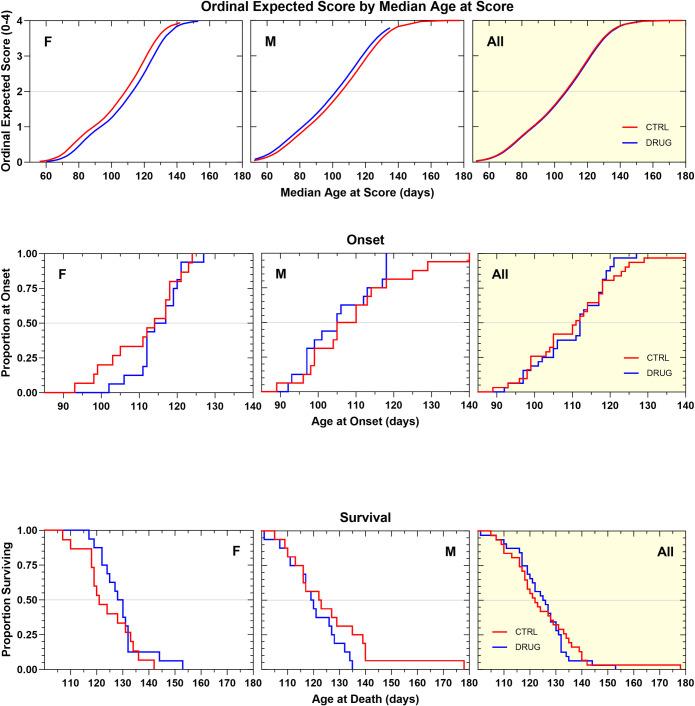
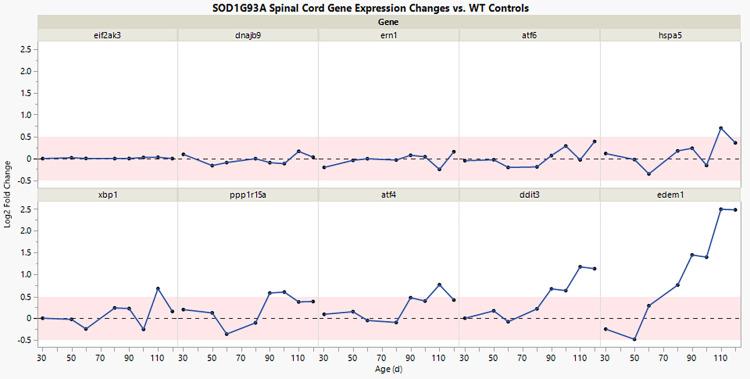
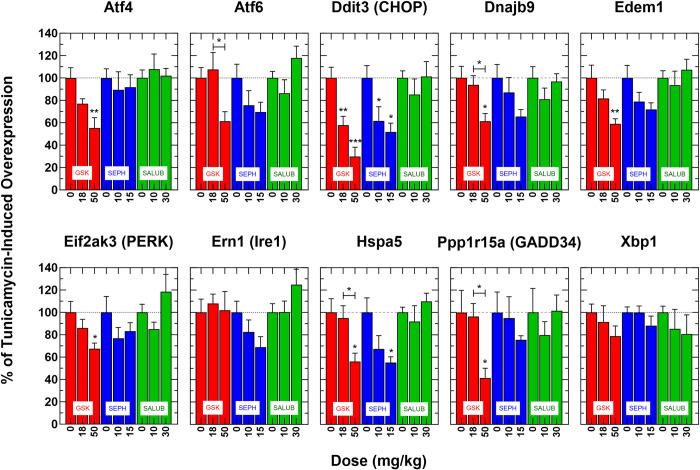
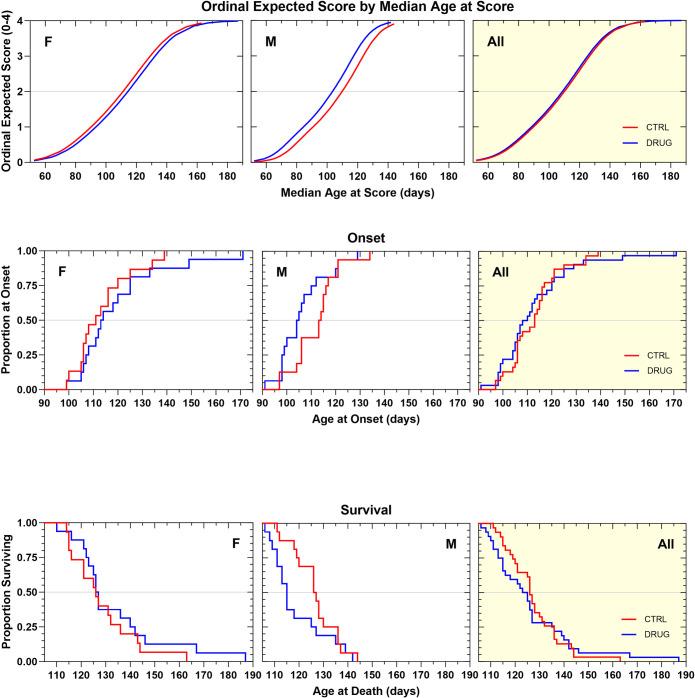
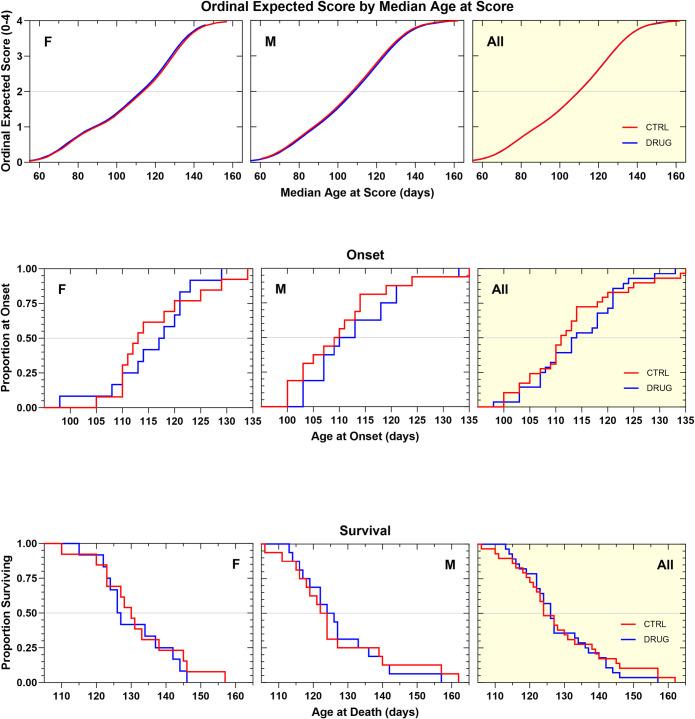
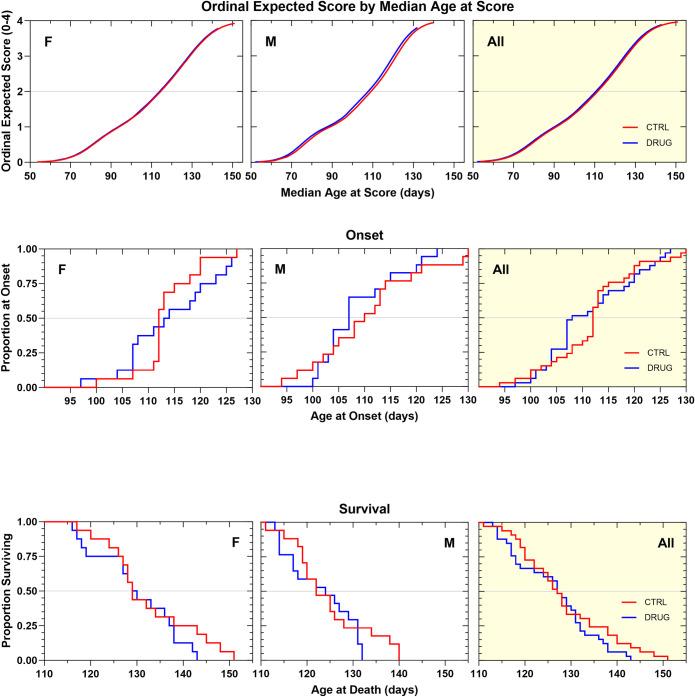
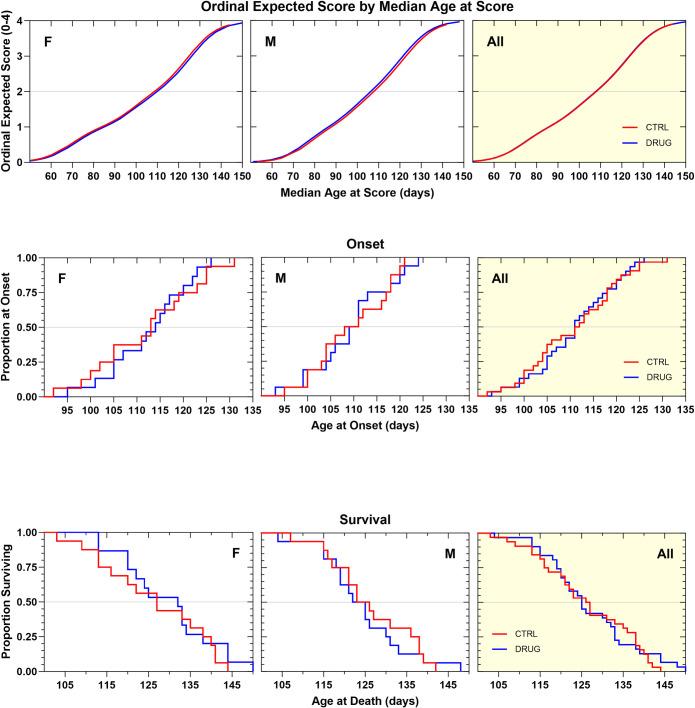
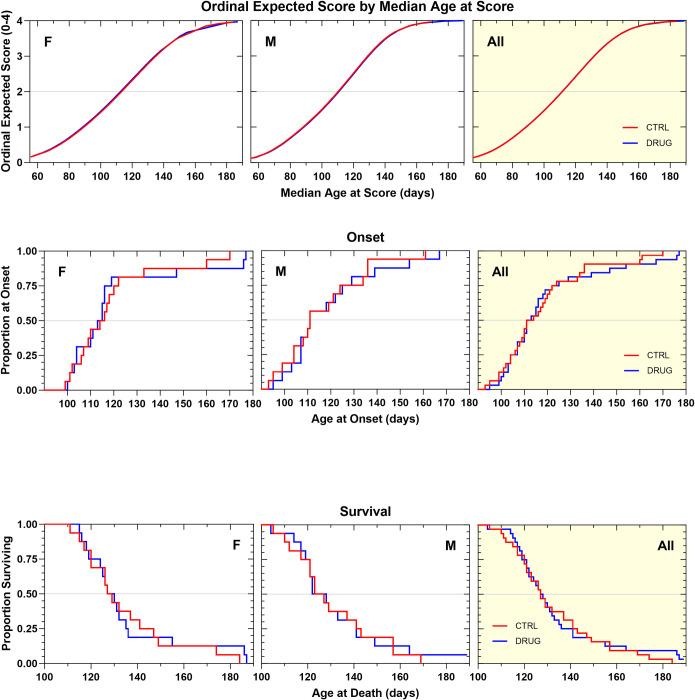
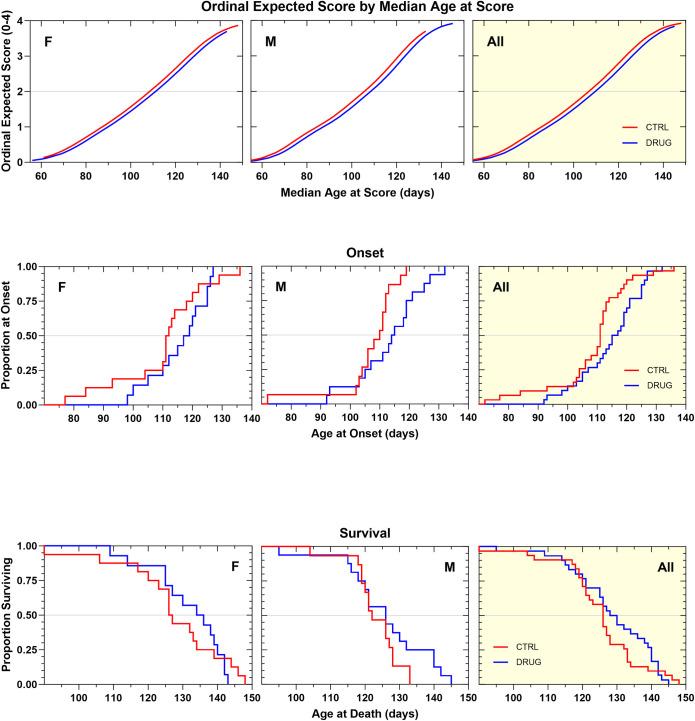
Amyotrophic lateral sclerosis (ALS) has been linked to overactivity of the protein kinase RNA-like ER kinase (PERK) branch of the unfolded protein response (UPR) pathway, both in ALS patients and mouse models. However, attempts to pharmacologically modulate PERK for therapeutic benefit have yielded inconsistent and often conflicting results. This study sought to address these discrepancies by comprehensively evaluating three commonly used, CNS-penetrant, PERK modulators (GSK2606414, salubrinal, and Sephin1) in the same experimental models, with the goal of assessing the viability of targeting the PERK pathway as a therapeutic strategy for ALS. To achieve this goal, a tunicamycin-challenge assay was developed using wild-type mice to monitor changes in liver UPR gene expression in response to PERK pathway modulation. Subsequently, multiple dosing regimens of each PERK modulator were tested in standardized, well-powered, gender-matched, and litter-matched survival efficacy studies using the SOD1G93A mouse model of ALS. The alpha-2-adrenergic receptor agonist clonidine was also tested to elucidate the results obtained from the Sephin1, and of the previously reported guanabenz studies, by comparing the effects of presence or absence of α-2 agonism. The results revealed that targeting PERK may not be an ideal approach for ALS treatment. Inhibiting PERK with GSK2606414 or activating it with salubrinal did not confer therapeutic benefits. While Sephin1 showed some promising therapeutic effects, it appears that these outcomes were mediated through PERK-independent mechanisms. Clonidine also produced some favorable therapeutic effects, which were unexpected and not linked to the UPR. In conclusion, this study highlights the challenges of pharmacologically targeting PERK for therapeutic purposes in the SOD1G93A mouse model and suggests that exploring other targets within, and outside, the UPR may be more promising avenues for ALS treatment.
肌萎缩侧索硬化症(ALS)与未折叠蛋白反应(UPR)途径中的蛋白激酶 RNA 样内质网激酶(PERK)分支的过度活跃有关,无论是在 ALS 患者还是小鼠模型中都是如此。然而,试图通过药理学方式调节 PERK 以获得治疗益处的尝试产生了不一致且常常相互矛盾的结果。本研究通过在相同的实验模型中全面评估三种常用的穿透中枢神经系统的 PERK 调节剂(GSK2606414、salubrinal 和 Sephin1),来解决这些差异,目的是评估将 PERK 途径作为 ALS 治疗策略的可行性。为了实现这一目标,使用野生型小鼠开发了一种衣霉素挑战测定法,以监测 PERK 途径调节后肝脏 UPR 基因表达的变化。随后,使用 SOD1G93A 肌萎缩侧索硬化症小鼠模型,对每种 PERK 调节剂的多种给药方案进行了标准化、强大、性别匹配和同窝匹配的生存功效研究。α-2 肾上腺素能受体激动剂可乐定也进行了测试,以通过比较存在或不存在α-2 激动作用来阐明 Sephin1 和之前报道的胍那苄研究中获得的结果。结果表明,针对 PERK 可能不是治疗 ALS 的理想方法。用 GSK2606414 抑制 PERK 或用 salubrinal 激活 PERK 都没有带来治疗益处。虽然 Sephin1 显示出一些有希望的治疗效果,但似乎这些结果是通过 PERK 非依赖性机制介导的。可乐定也产生了一些有利的治疗效果,这是出乎意料的,与 UPR 无关。总之,本研究强调了在 SOD1G93A 小鼠模型中通过药理学方式靶向 PERK 进行治疗的挑战,并表明探索 UPR 内和外部的其他靶标可能是治疗 ALS 的更有前途的途径。



 Zotero 插件