
大湄公河次区域消除疟疾进展:世界卫生组织的观点。
Progress towards malaria elimination in the Greater Mekong Subregion: perspectives from the World Health Organization.
机构信息
WHO Mekong Malaria Elimination Programme, Phnom Penh, Cambodia.
Independent Consultant, Antananarivo, Madagascar.
出版信息
Malar J. 2024 Mar 1;23(1):64. doi: 10.1186/s12936-024-04851-z.
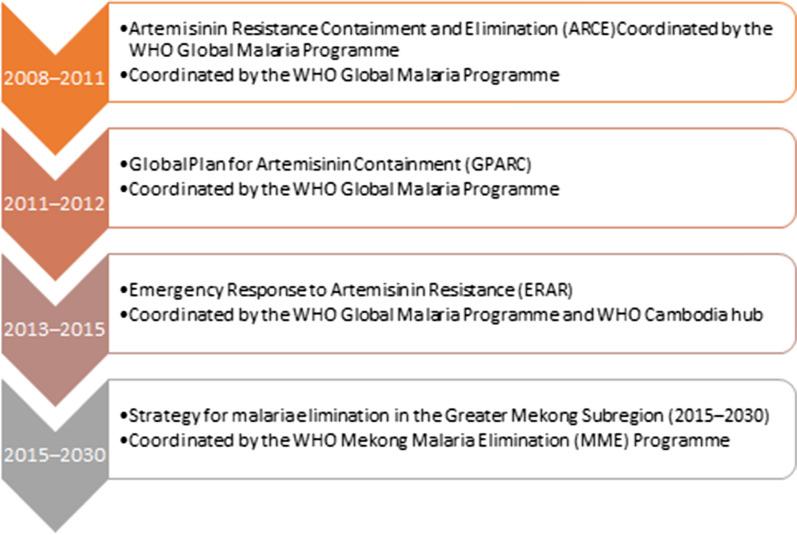
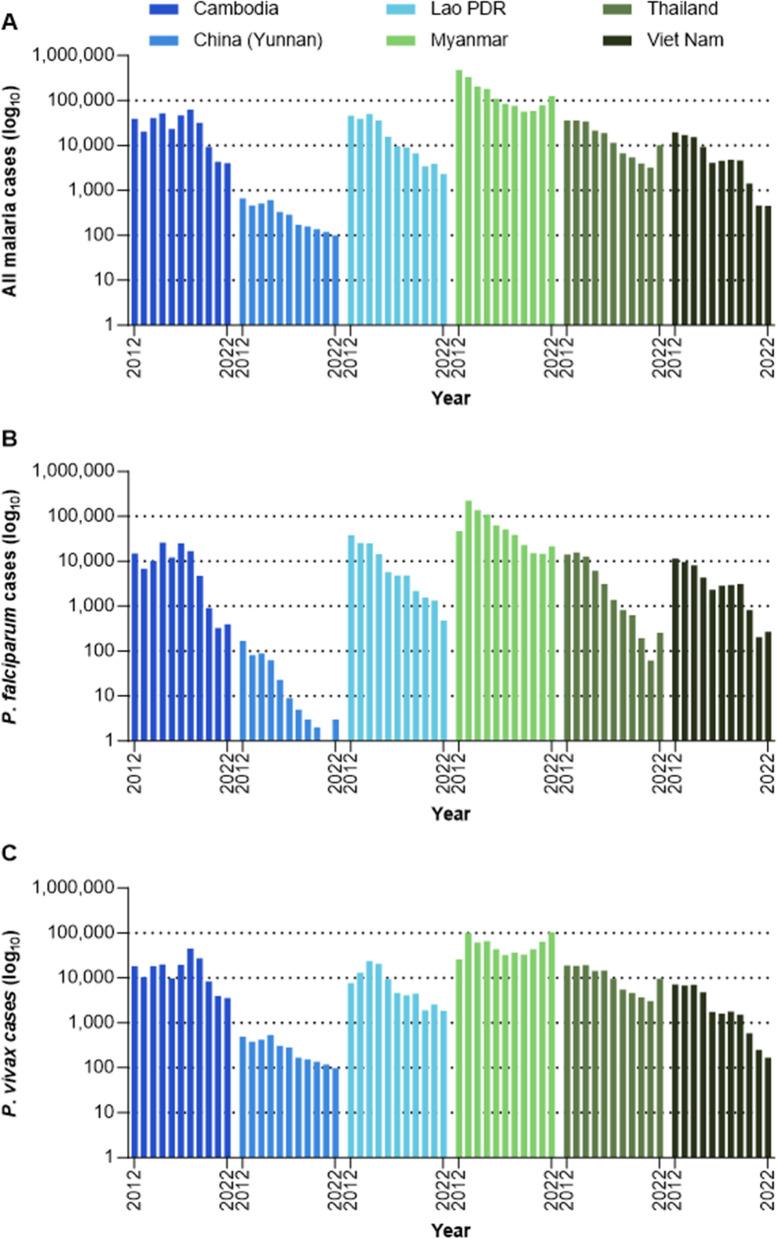
Malaria remains a global health challenge, disproportionately affecting vulnerable communities. Despite substantial progress, the emergence of anti-malarial drug resistance poses a constant threat. The Greater Mekong Subregion (GMS), which includes Cambodia, China's Yunnan province, Lao People's Democratic Republic, Myanmar, Thailand, and Viet Nam has been the epicentre for the emergence of resistance to successive generations of anti-malarial therapies. From the perspective of the World Health Organization (WHO), this article considers the collaborative efforts in the GMS, to contain Plasmodium falciparum artemisinin partial resistance and multi-drug resistance and to advance malaria elimination. The emergence of artemisinin partial resistance in the GMS necessitated urgent action and regional collaboration resulting in the Strategy for Malaria Elimination in the Greater Mekong Subregion (2015-2030), advocating for accelerated malaria elimination interventions tailored to country needs, co-ordinated and supported by the WHO Mekong malaria elimination programme. The strategy has delivered substantial reductions in malaria across all GMS countries, with a 77% reduction in malaria cases and a 97% reduction in malaria deaths across the GMS between 2012 and 2022. Notably, China was certified malaria-free by WHO in 2021. Countries' ownership and accountability have been pivotal, with each GMS country outlining its priorities in strategic and annual work plans. The development of strong networks for anti-malarial drug resistance surveillance and epidemiological surveillance was essential. Harmonization of policies and guidelines enhanced collaboration, ensuring that activities were driven by evidence. Challenges persist, particularly in Myanmar, where security concerns have limited recent progress, though an intensification and acceleration plan aims to regain momentum. Barriers to implementation can slow progress and continuing innovation is needed. Accessing mobile and migrant populations is key to addressing remaining transmission foci, requiring effective cross-border collaboration. In conclusion, the GMS has made significant progress towards malaria elimination, particularly in the east where several countries are close to P. falciparum elimination. New and persisting challenges require sustained efforts and continued close collaboration. The GMS countries have repeatedly risen to every obstacle presented, and now is the time to re-double efforts and achieve the 2030 goal of malaria elimination for the region.
疟疾仍然是一个全球性的健康挑战,对弱势群体社区造成了不成比例的影响。尽管取得了重大进展,但抗疟药物耐药性的出现仍然是一个持续的威胁。大湄公河次区域(GMS)包括柬埔寨、中国云南省、老挝人民民主共和国、缅甸、泰国和越南,一直是抗疟治疗连续几代药物耐药性出现的中心。从世界卫生组织(WHO)的角度来看,本文考虑了 GMS 国家为遏制恶性疟原虫青蒿素部分耐药性和多药耐药性并推进消除疟疾所做出的合作努力。GMS 地区青蒿素部分耐药性的出现需要采取紧急行动和区域合作,因此制定了《大湄公河次区域疟疾消除战略(2015-2030 年)》,主张根据各国的需要,加速疟疾消除干预措施,由世卫组织湄公河疟疾消除规划协调和支持。该战略在整个 GMS 国家都取得了显著的疟疾减少成果,2012 年至 2022 年期间,GMS 国家的疟疾病例减少了 77%,疟疾死亡人数减少了 97%。值得注意的是,中国于 2021 年被世卫组织认证为无疟疾国家。国家自主权和问责制至关重要,每个 GMS 国家都在战略和年度工作计划中概述了优先事项。建立强大的抗疟药物耐药性监测和流行病学监测网络至关重要。政策和指南的协调统一加强了合作,确保活动基于证据。挑战仍然存在,特别是在缅甸,由于安全问题限制了最近的进展,但一项强化和加速计划旨在重新获得动力。实施障碍可能会减缓进展,需要不断创新。为了解决剩余的传播焦点,需要为流动和移民人口提供服务,这需要有效的跨境合作。总之,GMS 在消除疟疾方面取得了重大进展,特别是在东部地区,几个国家已接近消除恶性疟原虫。新的和持续的挑战需要持续的努力和密切的合作。GMS 国家一次又一次地克服了所面临的每一个障碍,现在是加倍努力实现该地区 2030 年消除疟疾目标的时候了。


 Zotero 插件