
二维培养中人类原发性软脑膜细胞的特性分析。
Characterization of primary human leptomeningeal cells in 2D culture.
作者信息
Abubaker Mannthalah, Greaney Aisling, Newport David, Mulvihill John J E
机构信息
Bernal Institute, University of Limerick, Castletroy, Limerick, Ireland.
School of Engineering, University of Limerick, Castletroy, Limerick, Ireland.
出版信息
Heliyon. 2024 Feb 20;10(5):e26744. doi: 10.1016/j.heliyon.2024.e26744. eCollection 2024 Mar 15.
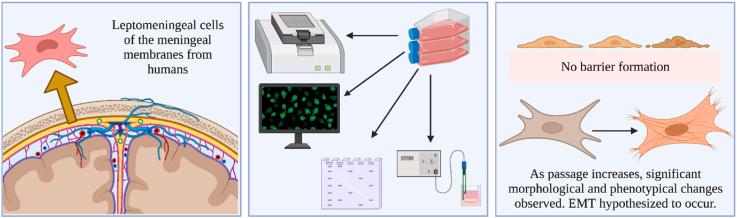
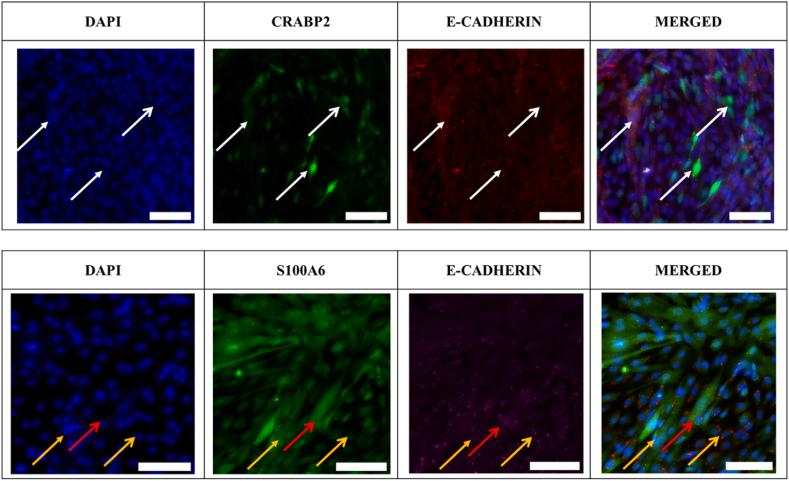
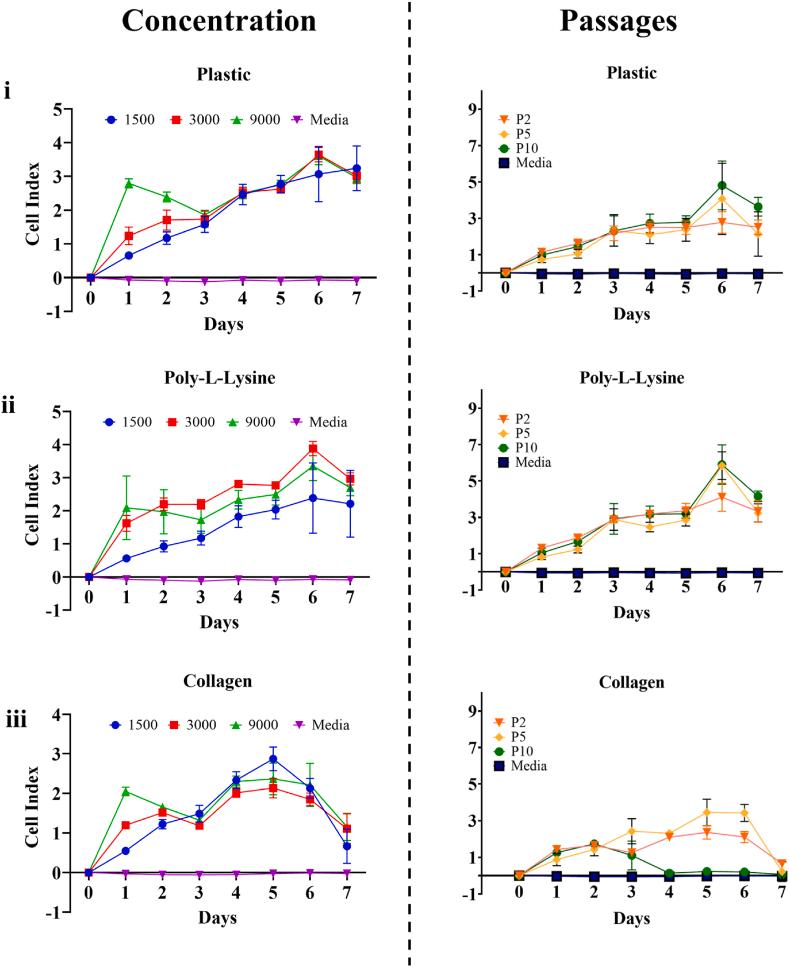
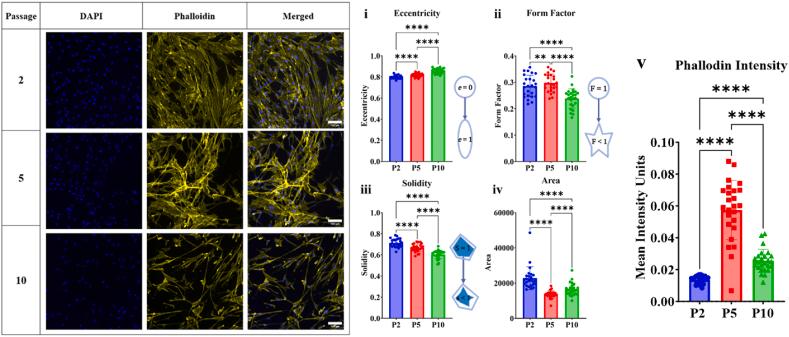
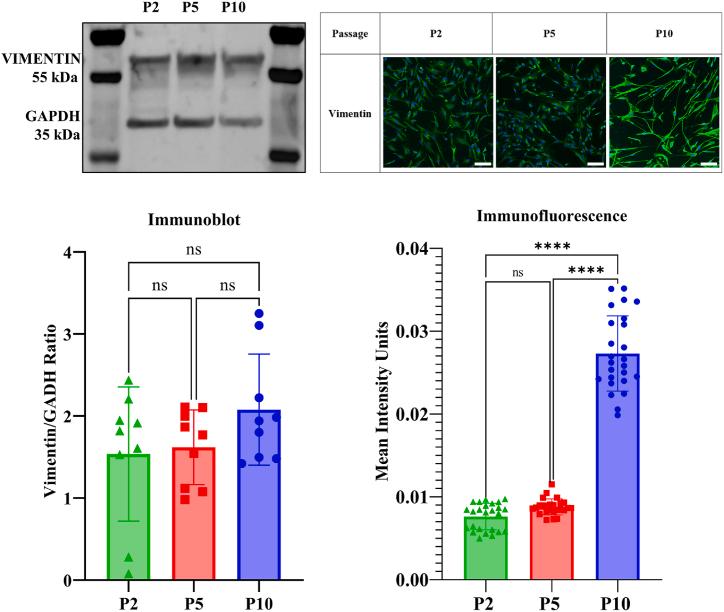
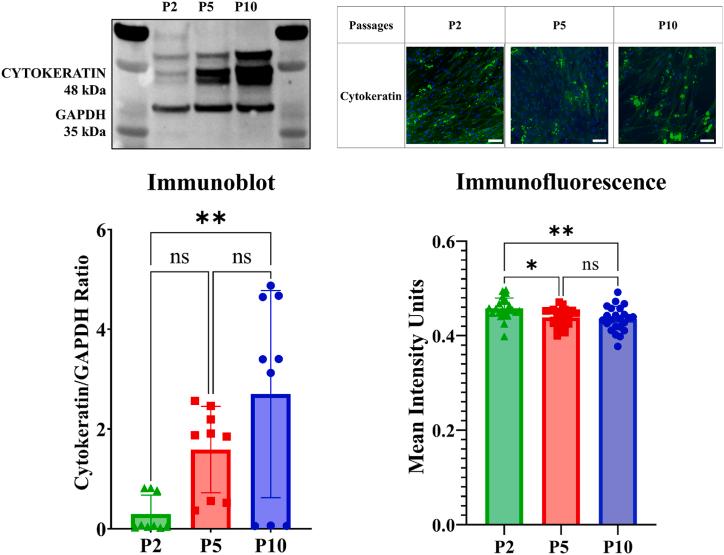
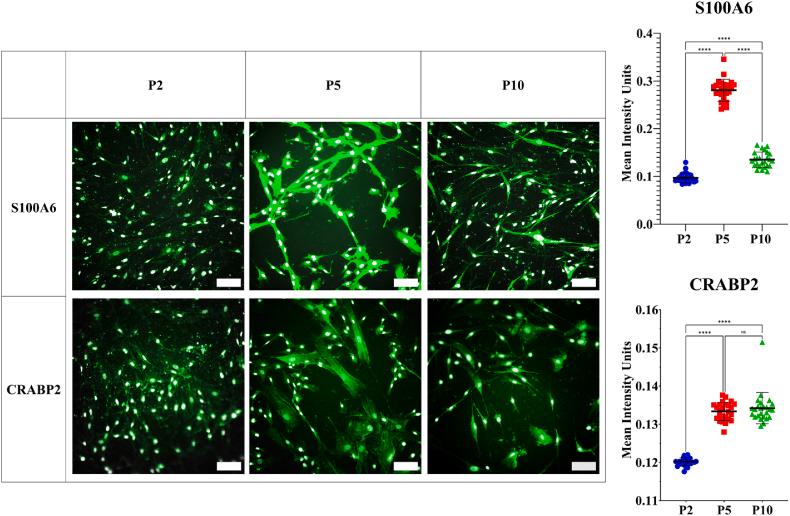
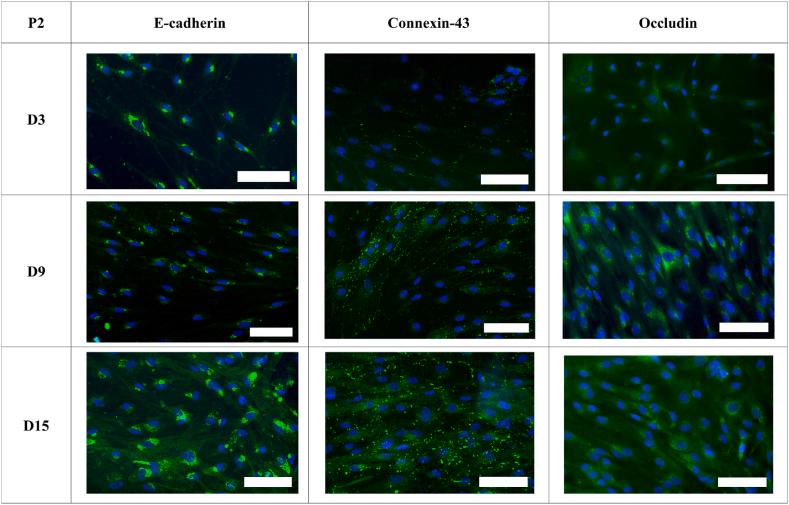
Maintaining the integrity of brain barriers is critical for a healthy central nervous system. While extensive research has focused on the blood-brain barrier (BBB) of the brain vasculature and blood-cerebrospinal fluid barrier (BCSFB) of the choroid plexus, the barriers formed by the meninges have not received as much attention. These membranes create a barrier between the brain and cerebrospinal fluid (CSF), as well as between CSF and blood. Recent studies have revealed that this barrier has been implicated in the development of neurological and immunological disorders. In order to gain a deeper comprehension of the functioning and significance of the meningeal barriers, sophisticated models of these barriers, need to be created. The aim of this paper is to investigate the characteristics of commercially available primary leptomeningeal cells (LMCs) that form the meningeal barriers, in a cultured environment, including their morphology, proteomics, and barrier properties, and to determine whether passaging of these cells affects their behaviour in comparison to their state. The results indicate that higher passage numbers significantly alter the morphology and protein localisation and expression of the LMCs. Furthermore, the primary cell culture co-stained for S100A6 and E-cadherin suggesting it is a co-culture of both pial and arachnoid cells. Additionally, cultured LMCs showed an increase in vimentin and cytokeratin expression and a lack of junctional proteins localisation on the cell membrane, which could suggest loss of epithelial properties due to culture, preventing barrier formation. This study shows that the LMCs may be a co-culture of pial and arachnoid cells, that the optimal LMC passage range is between passages two and five for experimentation and that the primary human LMCs form a weak barrier when in culture.
维持脑屏障的完整性对于健康的中枢神经系统至关重要。虽然广泛的研究集中在脑血管系统的血脑屏障(BBB)和脉络丛的血脑脊液屏障(BCSFB),但脑膜形成的屏障尚未受到同样多的关注。这些膜在脑与脑脊液(CSF)之间以及脑脊液与血液之间形成了屏障。最近的研究表明,这种屏障与神经和免疫疾病的发展有关。为了更深入地理解脑膜屏障的功能和意义,需要创建这些屏障的复杂模型。本文的目的是研究在培养环境中形成脑膜屏障的市售原代软脑膜细胞(LMCs)的特征,包括它们的形态、蛋白质组学和屏障特性,并确定这些细胞传代后与传代前相比其行为是否受到影响。结果表明,传代次数增加会显著改变LMCs的形态、蛋白质定位和表达。此外,对S100A6和E-钙黏蛋白进行共染色的原代细胞培养表明,它是软膜细胞和蛛网膜细胞的共培养物。此外,培养的LMCs波形蛋白和细胞角蛋白表达增加,细胞膜上缺乏连接蛋白定位,这可能表明由于培养导致上皮特性丧失,从而阻碍屏障形成。这项研究表明,LMCs可能是软膜细胞和蛛网膜细胞的共培养物,实验的最佳LMC传代范围在第二代到第五代之间,并且原代人LMCs在培养时形成的屏障较弱。




 Zotero 插件