
将快速定性分析应用于健康公平:在拉丁裔社区使用“EARS”的经验教训。
Applying Rapid Qualitative Analysis for Health Equity: Lessons Learned Using "EARS" With Latino Communities.
作者信息
St George Sara M, Harkness Audrey R, Rodriguez-Diaz Carlos E, Weinstein Elliott R, Pavia Vanina, Hamilton Alison B
机构信息
Department of Public Health Sciences, University of Miami Miller School of Medicine, Miami, FL, USA.
University of Miami School of Nursing and Health Studies, Coral Gables, FL, USA.
出版信息
Int J Qual Methods. 2023 Jan-Dec;22. doi: 10.1177/16094069231164938. Epub 2023 Mar 17.
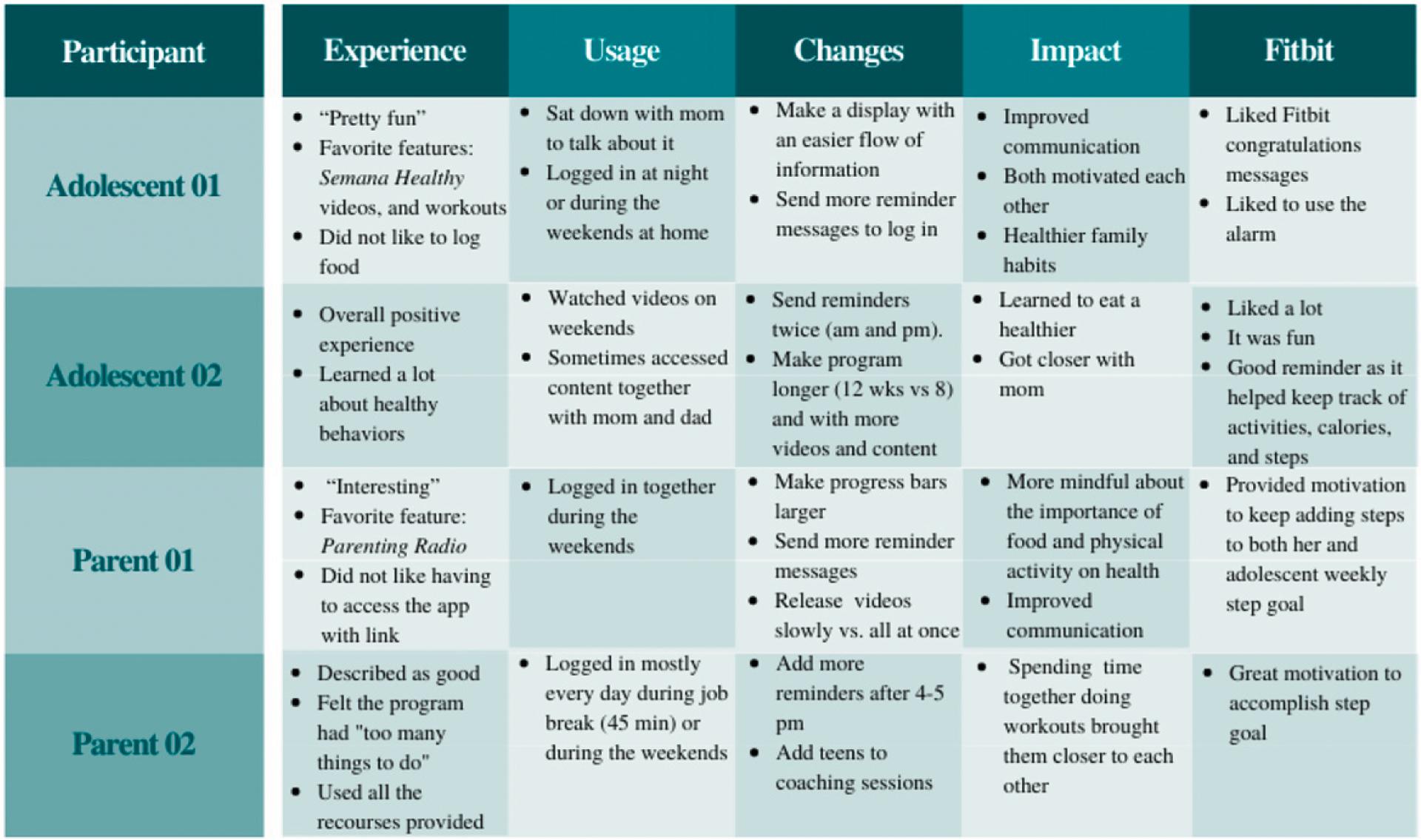
Qualitative research amplifies the voices of marginalized communities and thus plays a critical role in shaping our understanding of health inequities and their social determinants. Traditional qualitative approaches, such as grounded theory or thematic analysis, require extensive training and are time- and labor-intensive; as such, they may not be adequately suited to address healthy equity issues that require a swift response. Rapid qualitative analysis (RQA) is an action-oriented approach to qualitative data analysis that may be used when findings are needed to quickly inform practice. RQA capitalizes on using a team to summarize key points from qualitative data into matrices to explore relevant themes efficiently and systematically. In this paper, we provide case examples from our work applying RQA to health equity research with Latino communities to address community needs, such as responses to public health emergencies and the development of service delivery and technology interventions for infectious and chronic diseases. We draw from our collective experiences to share lessons learned and provide the following specific recommendations ("EARS") to researchers interested in applying RQA for health equity research: (1) RQA to address rapidly evolving, urgent, health equity challenges; (2) quality and rigor throughout the RQA process; (3) to barriers and problem-solve as needed; and (4) community relationships before, during, and after using RQA. Overall, we advocate for the use of RQA to promote health equity due to its ability to integrate the vital perspectives of marginalized communities and efficiently respond to their needs.
定性研究放大了边缘化社区的声音,因此在塑造我们对健康不平等及其社会决定因素的理解方面发挥着关键作用。传统的定性方法,如扎根理论或主题分析,需要大量培训,且耗时耗力;因此,它们可能不太适合解决需要迅速应对的健康公平问题。快速定性分析(RQA)是一种面向行动的定性数据分析方法,当需要研究结果来快速为实践提供信息时可以使用。RQA利用团队将定性数据中的关键点总结到矩阵中,以高效、系统地探索相关主题。在本文中,我们提供了一些案例示例,这些案例来自我们将RQA应用于与拉丁裔社区的健康公平研究以满足社区需求的工作,比如对突发公共卫生事件的应对以及针对传染病和慢性病的服务提供与技术干预措施的开发。我们借鉴集体经验分享所学到的经验教训,并向有兴趣将RQA应用于健康公平研究的研究人员提供以下具体建议(“EARS”):(1)运用RQA应对迅速演变的、紧迫的健康公平挑战;(2)在整个RQA过程中保证质量和严谨性;(3)识别障碍并根据需要解决问题;(4)在使用RQA之前、期间和之后建立社区关系。总体而言,我们倡导使用RQA来促进健康公平,因为它能够整合边缘化社区的重要观点并有效回应他们的需求。
 Zotero 插件