
自噬在葡萄膜黑色素瘤和微环境中的多重作用。
The multiple roles of autophagy in uveal melanoma and the microenvironment.
机构信息
Department of Ophthalmology, Zhongshan Hospital Affiliated to Fudan University, Shanghai, China.
Department of Laboratory Medicine, Longhua Hospital, Shanghai University of Traditional Chinese Medicine, Shanghai, China.
出版信息
J Cancer Res Clin Oncol. 2024 Mar 11;150(3):121. doi: 10.1007/s00432-023-05576-3.
PURPOSE
Uveal melanoma (UM) is the most common primary malignant intraocular tumor in adults, and effective clinical treatment strategies are still lacking. Autophagy is a lysosome-dependent degradation system that can encapsulate abnormal proteins, damaged organelles. However, dysfunctional autophagy has multiple types and plays a complex role in tumorigenicity depending on many factors, such as tumor stage, microenvironment, signaling pathway activation, and application of autophagic drugs.
METHODS
A systematic review of the literature was conducted to analyze the role of autophagy in UM, as well as describing the development of autophagic drugs and the link between autophagy and the tumor microenvironment.
RESULTS
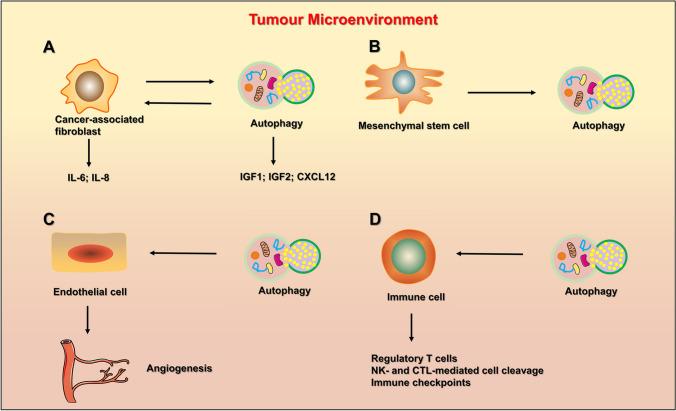
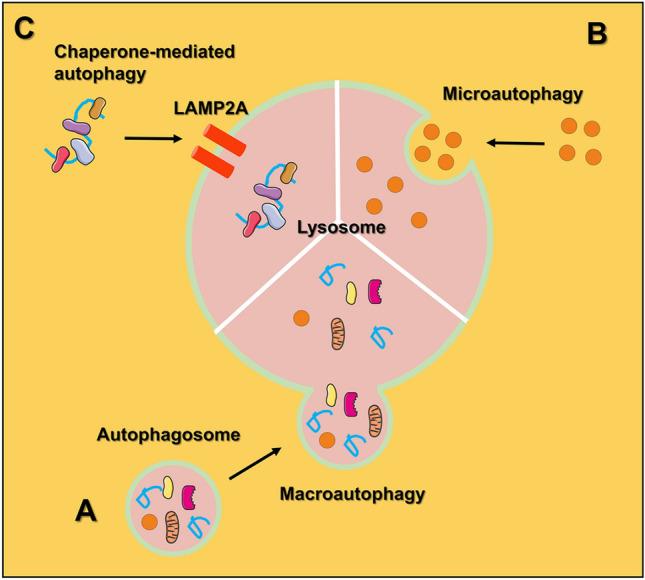
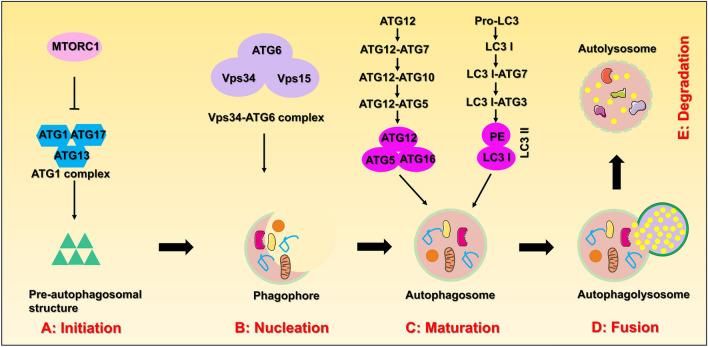
In this review, we summarize current research advances regarding the types of autophagy, the mechanisms of autophagy, the application of autophagy inhibitors or agonists, autophagy and the tumor microenvironment. Finally, we also discuss the relationship between autophagy and UM.
CONCLUSION
Understanding the molecular mechanisms of how autophagy differentially affects tumor progression may help to design better therapeutic regimens to prevent and treat UM.
目的
葡萄膜黑色素瘤(UM)是成年人中最常见的原发性眼内恶性肿瘤,目前仍缺乏有效的临床治疗策略。自噬是一种溶酶体依赖性降解系统,可以包裹异常蛋白、受损细胞器。然而,功能失调的自噬有多种类型,并根据许多因素(如肿瘤分期、微环境、信号通路激活以及自噬药物的应用)在肿瘤发生中发挥复杂的作用。
方法
对文献进行系统回顾,分析自噬在 UM 中的作用,并描述自噬药物的发展以及自噬与肿瘤微环境之间的联系。
结果
在本综述中,我们总结了目前关于自噬类型、自噬机制、自噬抑制剂或激动剂的应用、自噬与肿瘤微环境的研究进展。最后,我们还讨论了自噬与 UM 的关系。
结论
了解自噬如何差异化地影响肿瘤进展的分子机制可能有助于设计更好的治疗方案来预防和治疗 UM。
 Zotero 插件