
调查土耳其针对瓦螨使用氟氯苯菊酯的抗药性。
Investigation of resistance against to flumethrin using against Varroa destructor in Türkiye.
机构信息
Department of Pharmacology and Toxicology, Faculty of Veterinary Medicine, Ankara University, Ankara, 06100, Türkiye.
Apiculture Research Institute, Ordu, Türkiye.
出版信息
Vet Res Commun. 2024 Jun;48(3):1683-1696. doi: 10.1007/s11259-024-10351-x. Epub 2024 Mar 21.
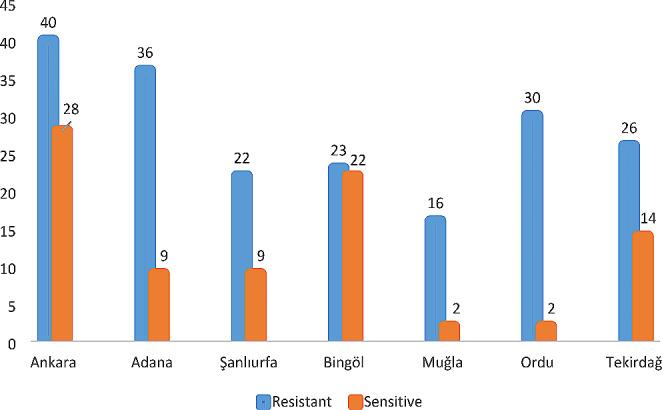
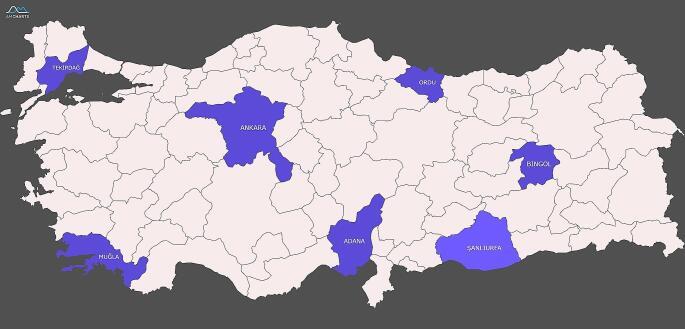
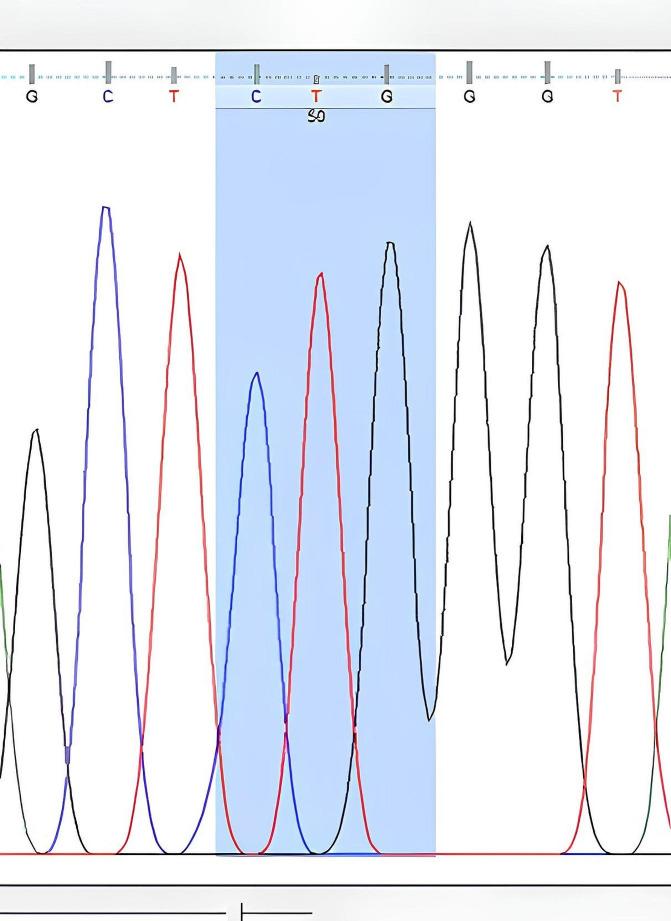
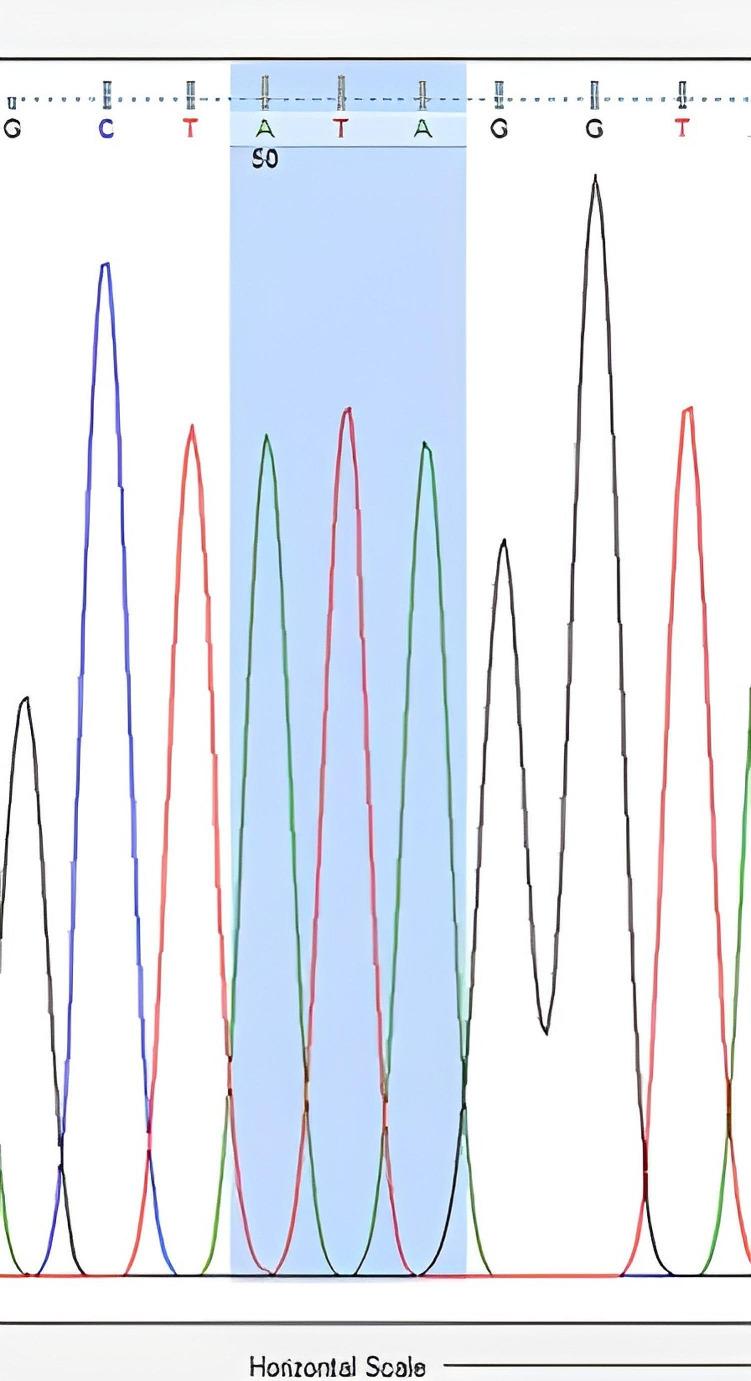
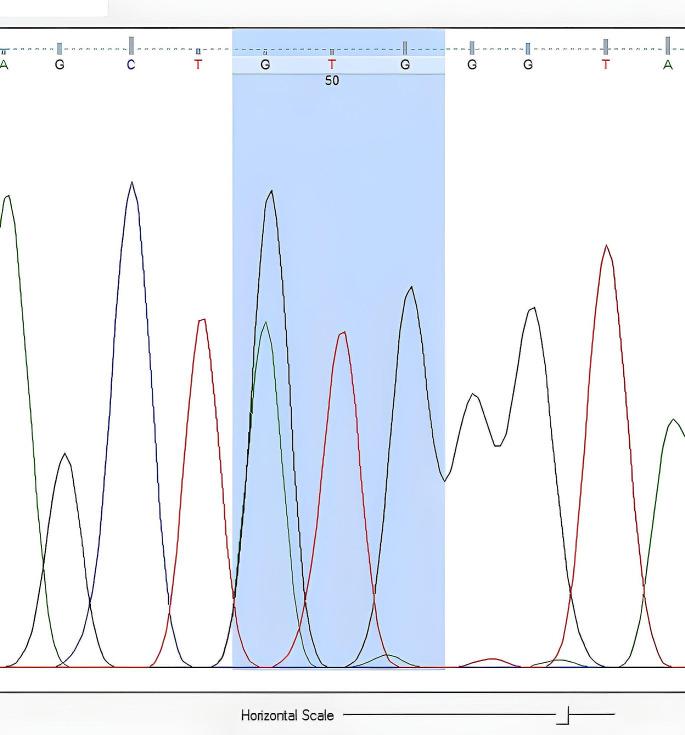
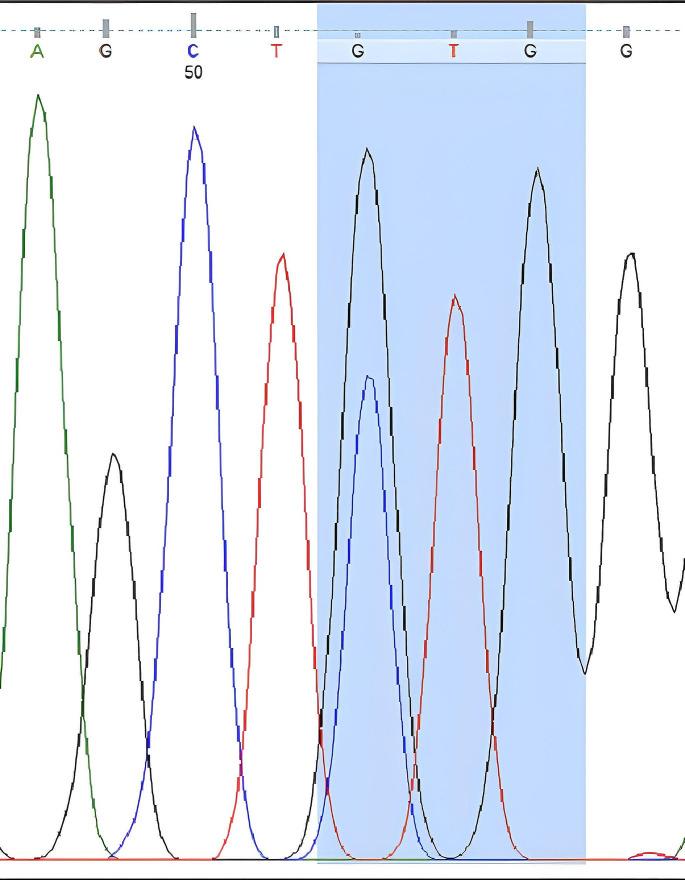
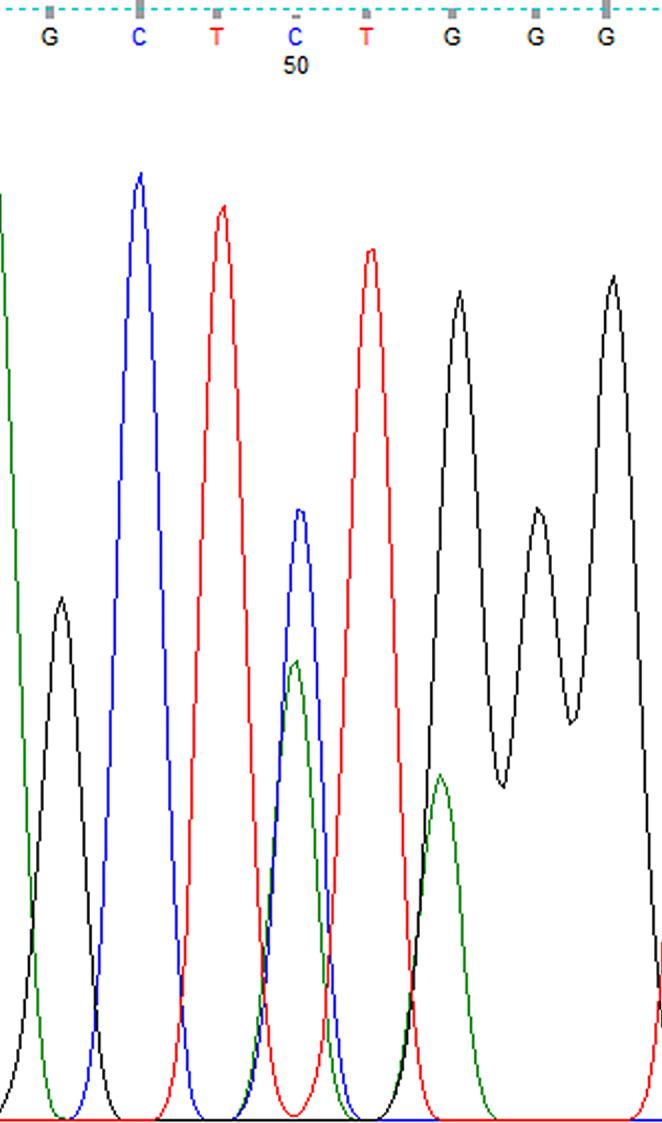
The honeybee ectoparasite Varroa destructor is a major threat to apiculture when evaluating bee diseases and pests. While attempting to control this mite, beekeepers often depend on a small selection of authorized synthetic acaricides, such as flumethrin, which is widely used in Türkiye and globally. However, resistance to flumethrin develops due to incorrect and excessive use. In this study conducted at Ordu Beekeeping Research Institute, trial group were established including an untreated control group and group where flumethrin-based pesticides were applied. Dead varroas collected from pollen traps and live varroas collected from bees were obtained from these trial groups for molecular analysis as positive-negative controls. Varroa samples were collected from provinces representing different regions with intensive beekeeping activities such as Adana, Ankara, Bingöl, Muğla, Ordu, Şanlıurfa, Tekirdağ. Molecular methods were employed to investigate the resistance gene region for pyrethroids (specifically flumethrin) against V. destructor. In our study, individual DNA extractions were performed on dead parasites from colonies subjected to pyrethroid application (resistance negative control) and live parasites (resistance positive control). The DNA samples obtained were used in PCR reactions targeting the region encoding the 925th amino acid of the voltage-gated sodium channel (VGSC) gene, which is responsible for resistance formation. The DNA samples were subjected to gel electrophoresis to observe the amplification products of the expected target region. To examine the nucleotide sequence changes that encode leucine at the 925th amino acid, which is associated with resistance, DNA sequence analysis was applied to the amplification products. Out of 332 V. destructor parasites obtained from different provinces, 279 were analysed using molecular methods. It was observed that 31% of the samples showed sensitivity to flumethrin while 69% exhibited resistance to it. Among the resistant samples: 27% had homozygous isoleucine mutation; 28% had homozygous valine mutation; 2.8% had heterozygous isoleucine mutation; 8.5% had heterozygous valine mutation; and 2.8% had heterozygous methionine mutation, all of which were associated with flumethrin resistance. As a result, the rate of flumethrin resistance in parasites varied between 51% and 94% among different provinces.
在评估蜜蜂疾病和害虫时,蜜蜂外寄生虫瓦螨是养蜂业的主要威胁。在试图控制这种螨虫时,养蜂人通常依赖于一小部分经过授权的合成杀螨剂,如氟氯氰菊酯,它在土耳其和全球范围内广泛使用。然而,由于不正确和过度使用,氟氯氰菊酯产生了抗药性。在奥尔杜养蜂研究所进行的这项研究中,建立了试验组,包括未处理的对照组和使用基于氟氯氰菊酯的杀虫剂的组。从花粉陷阱收集的死瓦螨和从蜜蜂收集的活瓦螨被用作阳性-阴性对照,用于分子分析。从阿达纳、安卡拉、宾格尔、穆拉、奥尔杜、尚利乌尔法、泰基尔达格等养蜂活动密集的省份采集了瓦螨样本。采用分子方法研究了对氟氯氰菊酯(特别是氟氯氰菊酯)的抗性基因区域。在我们的研究中,对接触拟除虫菊酯(抗性负对照)和接触活体寄生虫(抗性正对照)的蜂群中的死寄生虫进行了个体 DNA 提取。获得的 DNA 样本用于针对编码电压门控钠离子通道(VGSC)基因第 925 位氨基酸的区域的 PCR 反应,该基因负责形成抗性。将 DNA 样本进行凝胶电泳,观察预期靶区域的扩增产物。为了检查与抗性相关的第 925 位氨基酸亮氨酸编码的核苷酸序列变化,对扩增产物进行了 DNA 序列分析。从不同省份获得的 332 只瓦螨中,有 279 只进行了分子方法分析。结果表明,31%的样本对氟氯氰菊酯敏感,69%的样本对其有抗性。在耐药样本中:27%具有同型亮氨酸突变;28%具有同型缬氨酸突变;2.8%具有异型亮氨酸突变;8.5%具有异型缬氨酸突变;2.8%具有异型蛋氨酸突变,所有这些都与氟氯氰菊酯耐药性有关。因此,不同省份之间瓦螨对氟氯氰菊酯的耐药率在 51%至 94%之间不等。

 Zotero 插件