
新型喹唑啉酮类似物HMJ-38对吉西他滨耐药的MIA-PaCa-2胰腺癌细胞的疗效
Efficacy of HMJ-38, a new quinazolinone analogue, against the gemcitabine-resistant MIA-PaCa-2 pancreatic cancer cells.
作者信息
Hour Mann-Jen, Tsai Fuu-Jen, Lai I-Lu, Tsao Je-Wei, Chiang Jo-Hua, Chiu Yu-Jen, Lu Hsing-Fang, Juan Yu-Ning, Yang Jai-Sing, Tsai Shih-Chang
机构信息
School of Pharmacy, China Medical University, Taichung, 406040, Taiwan.
School of Chinese Medicine, College of Chinese Medicine, China Medical University, Taichung, 404333, Taiwan.
出版信息
Biomedicine (Taipei). 2023 Dec 1;13(4):20-31. doi: 10.37796/2211-8039.1423. eCollection 2023.
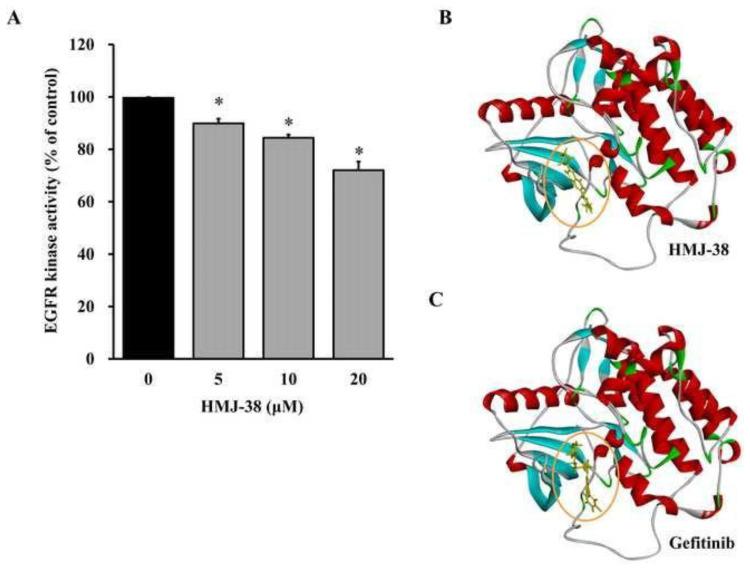
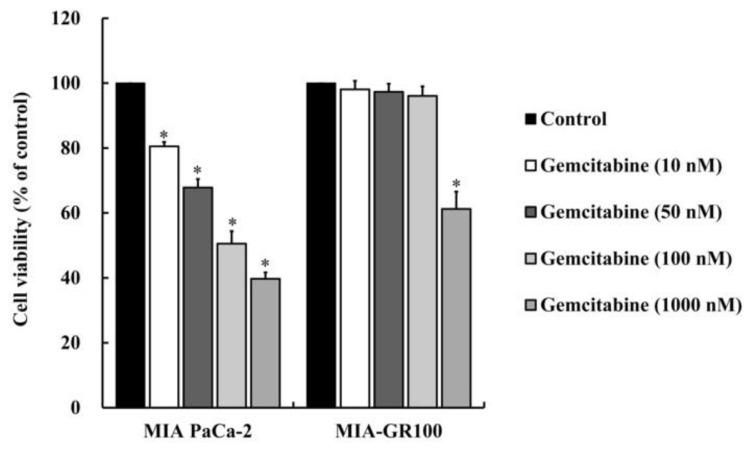
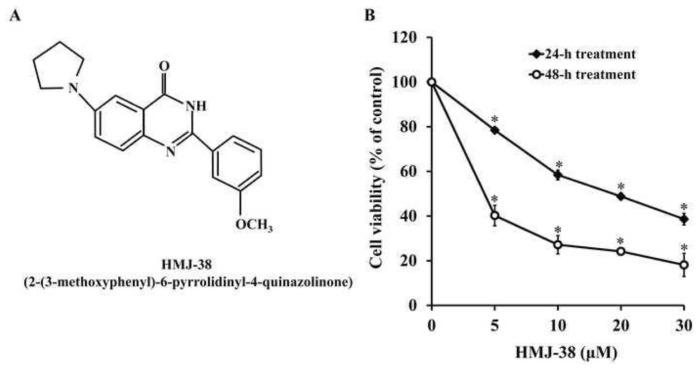
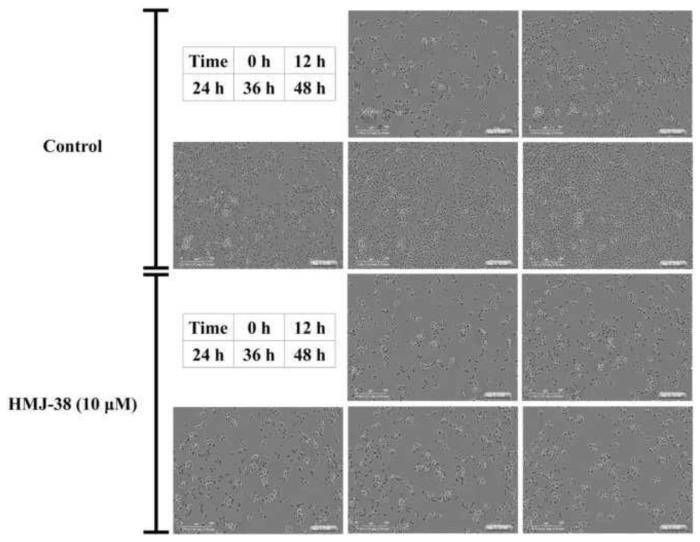
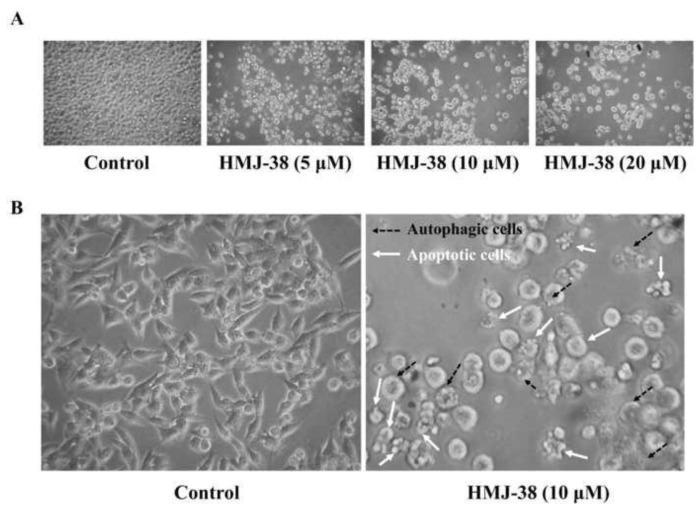
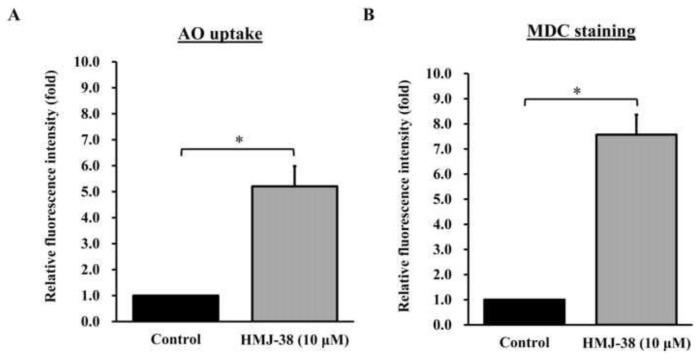
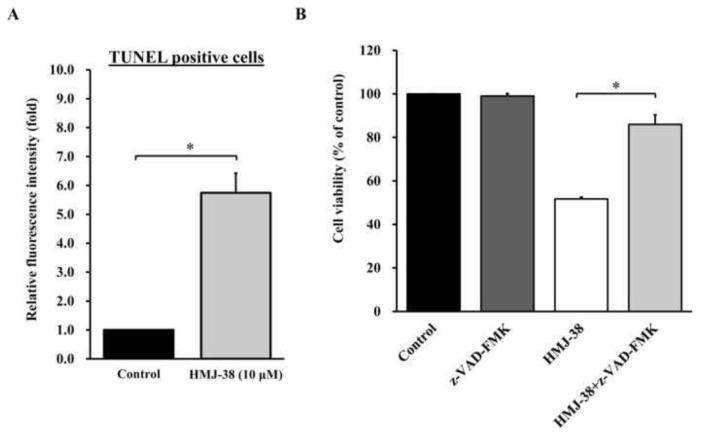
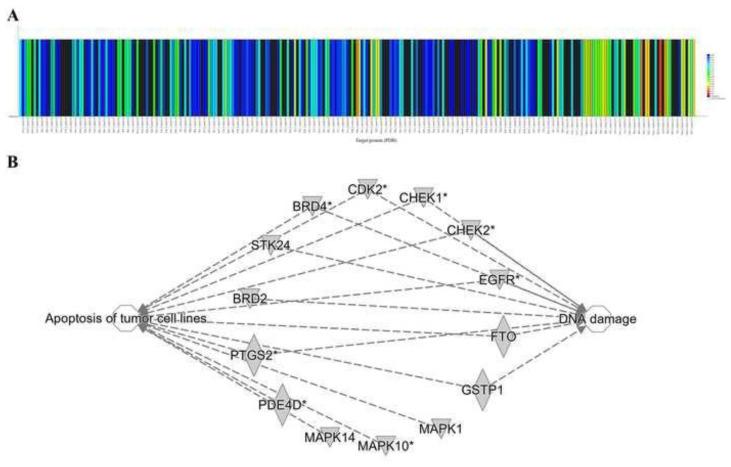
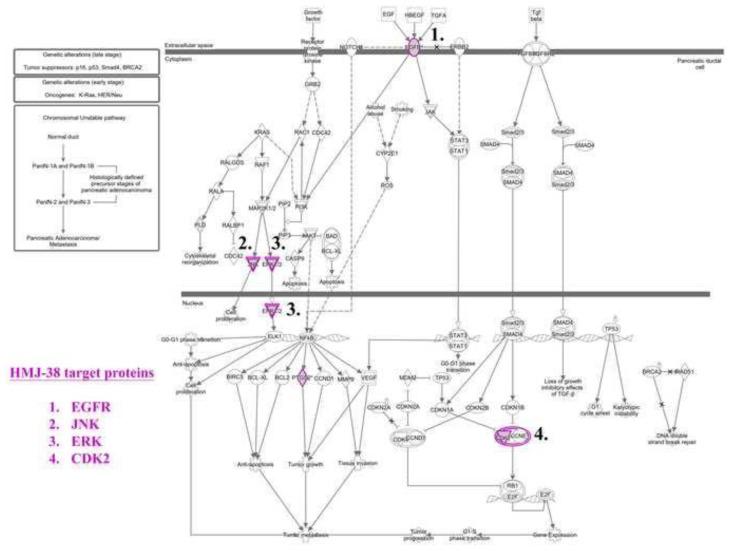
Gemcitabine is frequently utilized to treat pancreatic cancer. The purpose of our study was to create a gemcitabine-resistant MIA-PaCa-2 pancreatic cancer cell line (MIA-GR100) and to evaluate the anti-pancreatic cancer efficacy of HMJ-38, a new quinazolinone analogue. Compared to their parental counterparts, MIA-PaCa-2, established MIA-GR100 cells were less sensitive to gemcitabine. MIA-GR100 cell viability was not affected by 10, 50 and 100 nM gemcitabine concentrations. HMJ-38 reduced MIA-GR100 cell growth and induced autophagy and apoptosis. When stained with monodansylcadaverine (MDC), acridine orange (AO), and terminal deoxynucleotide transferase dUTP nick end labeling (TUNEL), MIA-GR100 cells shrunk, punctured their membranes, and produced autophagy vacuoles and apoptotic bodies. Combining chloroquine (CQ) and 3-methyladenine (3-MA) with HMJ-38 dramatically reduced cell viability, indicating that autophagy function as a cytoprotective mechanism. MIA-GR100 cells treated with both z-VAD-FMK and HMJ-38 were much more viable than those treated with HMJ-38 alone. HMJ-38 promotes apoptosis in MIA-GR100 cells by activating caspases. Epidermal growth factor receptor (EGFR) is one of HMJ-38's principal targets, as determined target screening with network prediction. HMJ-38 also inhibited EGFR kinase activity and EGFR-associated signaling in MIA-GR100 cells. HMJ-38 may be an effective chemotherapeutic adjuvant for gemcitabine-resistant pancreatic cancer cells, in which it induces an antitumor response.
吉西他滨常用于治疗胰腺癌。我们研究的目的是创建一种对吉西他滨耐药的MIA-PaCa-2胰腺癌细胞系(MIA-GR100),并评估新型喹唑啉酮类似物HMJ-38抗胰腺癌的疗效。与亲代细胞MIA-PaCa-2相比,已建立的MIA-GR100细胞对吉西他滨的敏感性较低。10、50和100 nM吉西他滨浓度对MIA-GR100细胞活力没有影响。HMJ-38可抑制MIA-GR100细胞生长并诱导自噬和凋亡。用单丹磺酰尸胺(MDC)、吖啶橙(AO)和末端脱氧核苷酸转移酶dUTP缺口末端标记(TUNEL)染色时,MIA-GR100细胞萎缩、细胞膜穿孔,并产生自噬泡和凋亡小体。氯喹(CQ)和3-甲基腺嘌呤(3-MA)与HMJ-38联合使用可显著降低细胞活力,表明自噬起到细胞保护机制的作用。用z-VAD-FMK和HMJ-38共同处理的MIA-GR100细胞比单独用HMJ-38处理的细胞活力更强。HMJ-38通过激活半胱天冬酶促进MIA-GR100细胞凋亡。通过网络预测进行靶点筛选确定,表皮生长因子受体(EGFR)是HMJ-38的主要靶点之一。HMJ-38还可抑制MIA-GR100细胞中的EGFR激酶活性和EGFR相关信号传导。HMJ-38可能是一种有效的化疗辅助药物,可用于对吉西他滨耐药的胰腺癌细胞,它能诱导抗肿瘤反应。

 Zotero 插件