
东努沙登加拉省 36-45 月龄生长迟缓与正常儿童的肠道菌群差异。
Gut microbiota differences in stunted and normal-lenght children aged 36-45 months in East Nusa Tenggara, Indonesia.
机构信息
Faculty of Engineering, Food Technology Department, Bina Nusantara University, Jakarta, Indonesia.
Centre for Healthy Eating & Food Innovation, Maastricht University-Campus Venlo, Venlo, The Netherlands.
出版信息
PLoS One. 2024 Mar 29;19(3):e0299349. doi: 10.1371/journal.pone.0299349. eCollection 2024.
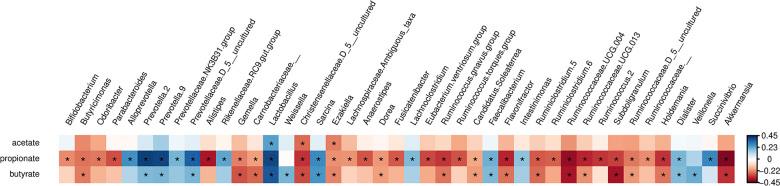
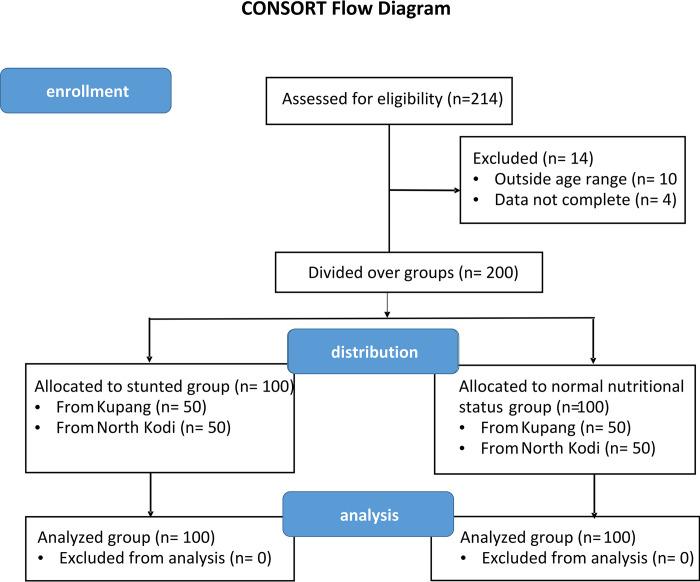
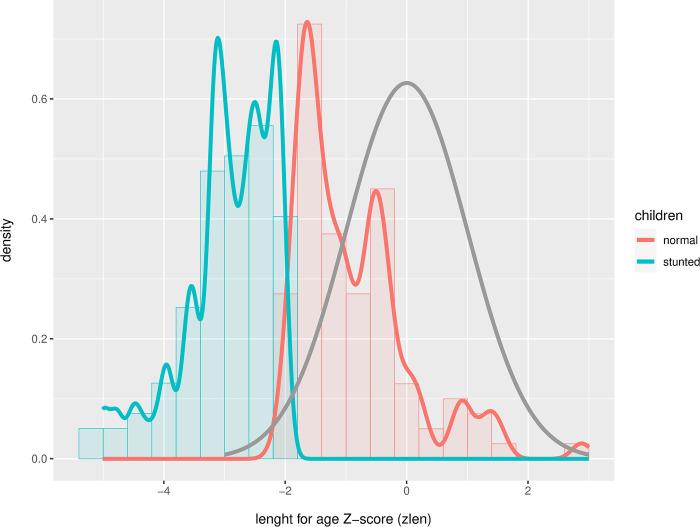
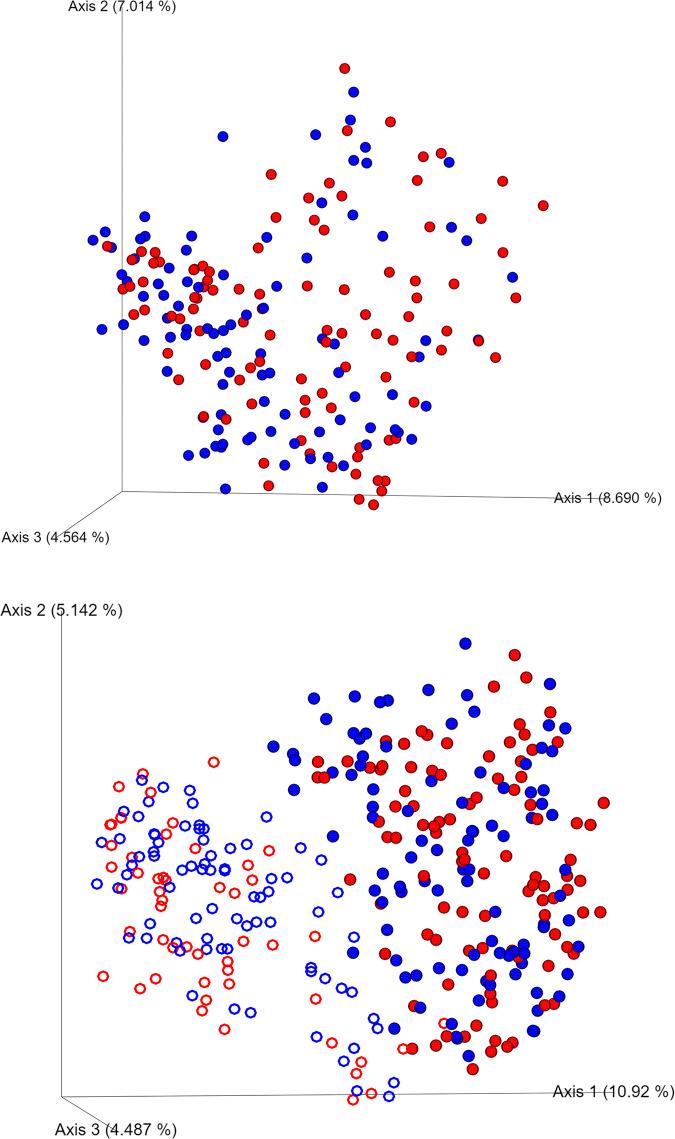
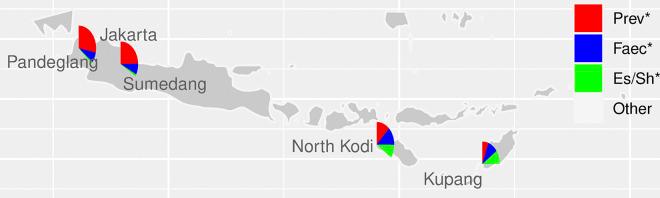
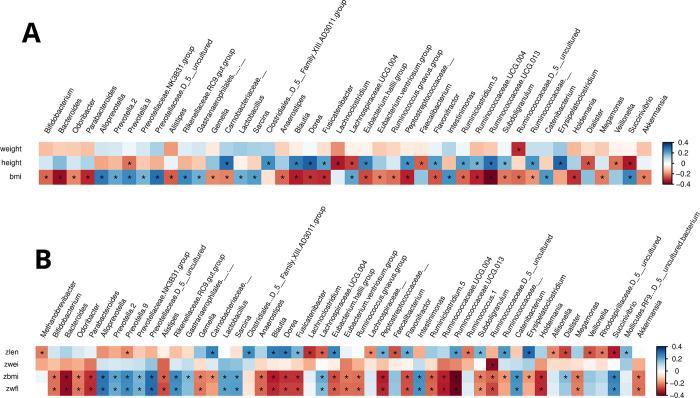
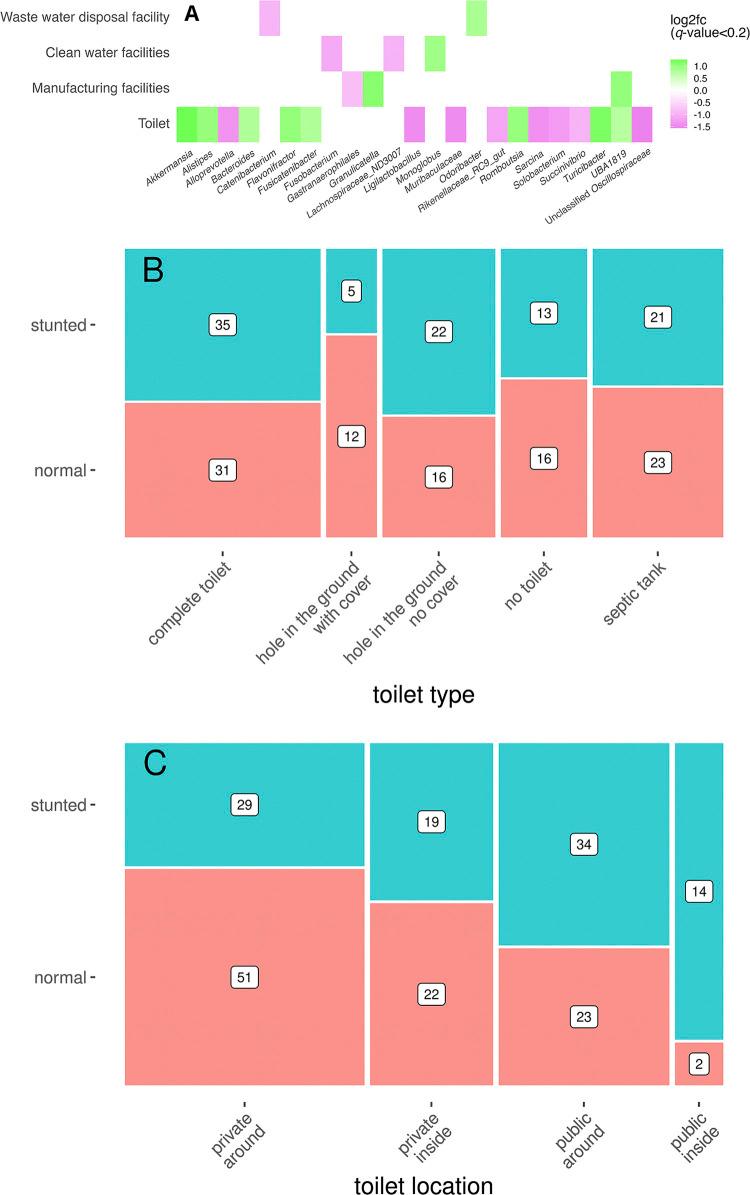
The role of the gut microbiota in energy metabolism of the host has been established, both in overweight/obesity, as well as in undernutrition/stunting. Dysbiosis of the gut microbiota may predispose to stunting. The aim of this study was to compare the gut microbiota composition of stunted Indonesian children and non-stunted children between 36 and 45 months from two sites on the East Nusa Tenggara (ENT) islands. Fecal samples were collected from 100 stunted children and 100 non-stunted children in Kupang and North Kodi. The gut microbiota composition was determined by sequencing amplicons of the V3-V4 region of the 16S rRNA gene. Moreover, fecal SCFA concentrations were analyzed. The microbiota composition was correlated to anthropometric parameters and fecal metabolites. The phyla Bacteroidetes (Bacteroidota; q = 0.014) and Cyanobacteria (q = 0.049) were significantly higher in stunted children. Three taxa at genus levels were consistently significantly higher in stunted children at both sampling sites, namely Lachnoclostridium, Faecalibacterium and Veillonella (q < 7 * 10-4). These and 9 other taxa positively correlated to the z-score length-for-age (zlen), while 11 taxa negatively correlated with zlen. Several taxa also correlated with sanitary parameters, some of which were also significantly different between the two groups. All three fecal SCFA concentrations (acetate, propionate and butyrate) and their total were lower in stunted children compared to non-stunted children, although not significant for butyrate, indicating lower energy-extraction by the gut microbiota. Also, since SCFA have been shown to be involved in gut barrier function, barrier integrity may be affected in the stunted children. It remains to be seen if the three taxa are involved in stunting, or are changed due to e.g. differences in diet, hygiene status, or other factors. The observed differences in this study do not agree with our previous observations in children on Java, Indonesia. There are differences in infrastructure facilities such as clean water and sanitation on ENT and Java, which may contribute to the differences observed. The role of the gut microbiota in stunting therefore requires more in depth studies. Trial registration: the trial was registered at ClinicalTrials.gov with identifier number NCT05119218.
肠道微生物群在宿主能量代谢中的作用已经确立,无论是在超重/肥胖,还是在营养不足/发育迟缓中。肠道微生物群的失调可能导致发育迟缓。本研究旨在比较东努沙登加拉(ENT)两个岛屿上 36 至 45 个月的发育迟缓印度尼西亚儿童和非发育迟缓儿童的肠道微生物群组成。从库邦和北科迪收集了 100 名发育迟缓儿童和 100 名非发育迟缓儿童的粪便样本。通过扩增 16S rRNA 基因 V3-V4 区的扩增子来确定肠道微生物群组成。此外,还分析了粪便 SCFA 浓度。微生物群组成与人体测量参数和粪便代谢物相关。在门水平上,厚壁菌门(Bacteroidota;q = 0.014)和蓝藻门(Cyanobacteria;q = 0.049)在发育迟缓儿童中显著更高。在两个采样地点,有三个属水平的分类群在发育迟缓儿童中始终显著更高,即lachnoclostridium、faecalibacterium 和 veillonella(q < 7 * 10-4)。这些和另外 9 个分类群与 z 评分年龄长度(zlen)呈正相关,而 11 个分类群与 zlen 呈负相关。一些分类群还与卫生参数相关,其中一些在两组之间也有显著差异。与非发育迟缓儿童相比,发育迟缓儿童的粪便中三种 SCFA(乙酸盐、丙酸盐和丁酸盐)及其总量均较低,尽管丁酸盐没有显著差异,这表明肠道微生物群的能量提取较低。此外,由于 SCFA 已被证明参与肠道屏障功能,因此发育迟缓儿童的肠道屏障完整性可能受到影响。还需要进一步研究这三个分类群是否参与发育迟缓,或者是否由于饮食、卫生状况或其他因素的差异而发生变化。本研究中的观察结果与我们之前在印度尼西亚爪哇岛儿童中的观察结果不一致。ENT 和爪哇岛在基础设施方面存在差异,例如清洁水和卫生设施,这可能导致观察到的差异。肠道微生物群在发育迟缓中的作用还需要更深入的研究。试验注册:该试验在 ClinicalTrials.gov 注册,标识符为 NCT05119218。

 Zotero 插件