
心房颤动患者的更长更好的生命:第 9 届 AFNET/EHRA 共识会议。
Longer and better lives for patients with atrial fibrillation: the 9th AFNET/EHRA consensus conference.
机构信息
Department of Cardiology, Maastricht University Medical Center, Cardiovascular Research Institute Maastricht, Maastricht, The Netherlands.
Department of Biomedical Sciences, Faculty of Health and Medical Sciences, University of Copenhagen, Copenhagen, Denmark.
出版信息
Europace. 2024 Mar 30;26(4). doi: 10.1093/europace/euae070.
AIMS
Recent trial data demonstrate beneficial effects of active rhythm management in patients with atrial fibrillation (AF) and support the concept that a low arrhythmia burden is associated with a low risk of AF-related complications. The aim of this document is to summarize the key outcomes of the 9th AFNET/EHRA Consensus Conference of the Atrial Fibrillation NETwork (AFNET) and the European Heart Rhythm Association (EHRA).
METHODS AND RESULTS
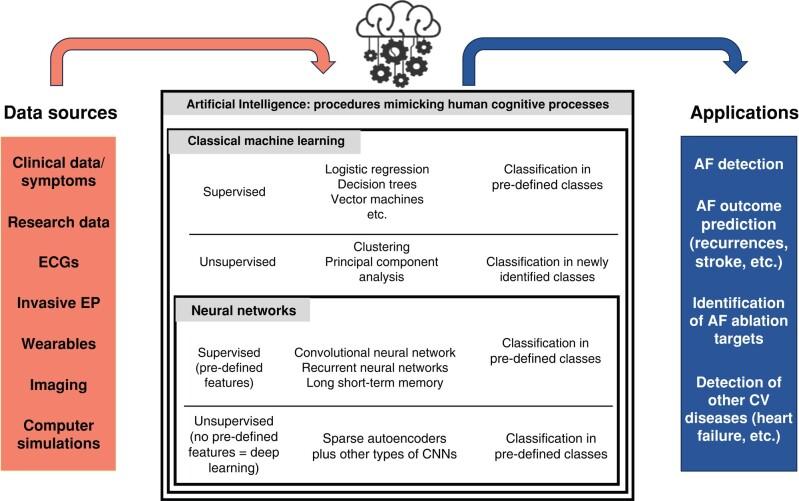
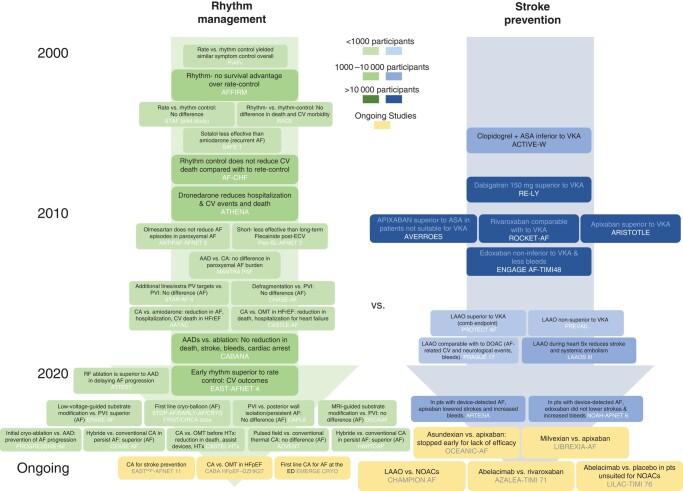
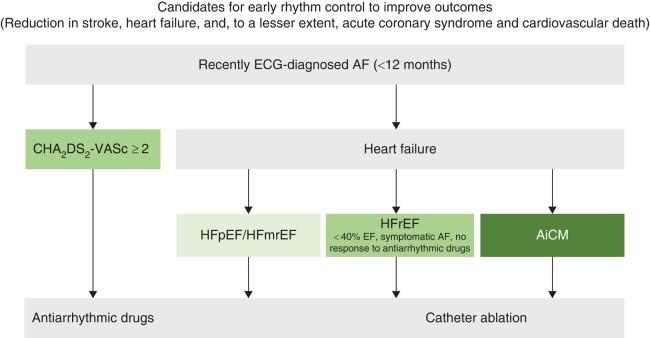
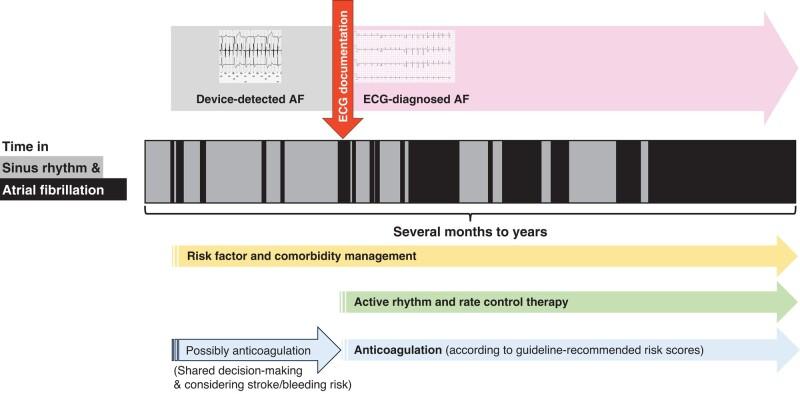
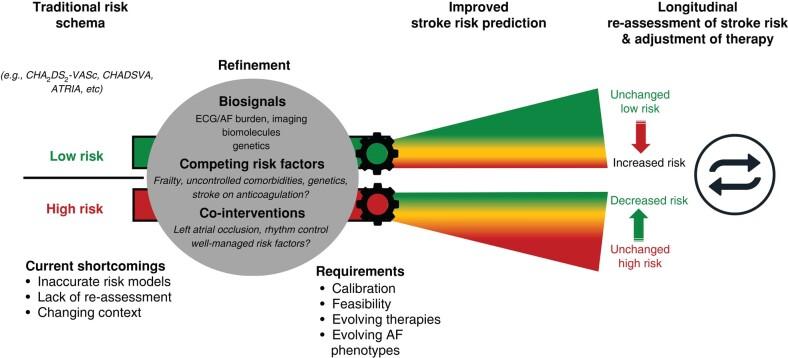
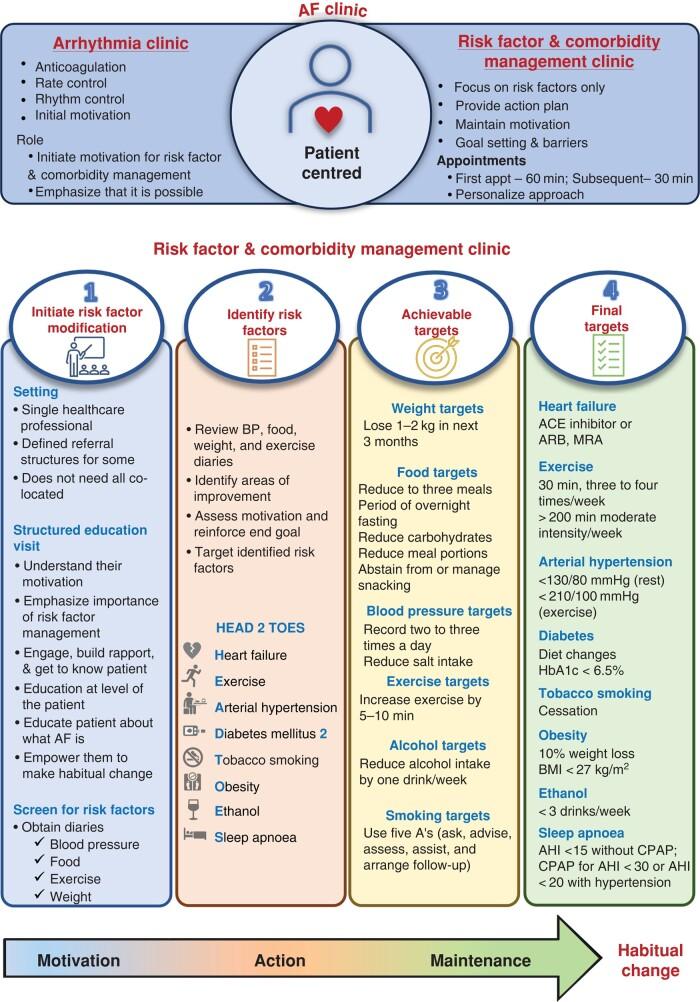
Eighty-three international experts met in Münster for 2 days in September 2023. Key findings are as follows: (i) Active rhythm management should be part of the default initial treatment for all suitable patients with AF. (ii) Patients with device-detected AF have a low burden of AF and a low risk of stroke. Anticoagulation prevents some strokes and also increases major but non-lethal bleeding. (iii) More research is needed to improve stroke risk prediction in patients with AF, especially in those with a low AF burden. Biomolecules, genetics, and imaging can support this. (iv) The presence of AF should trigger systematic workup and comprehensive treatment of concomitant cardiovascular conditions. (v) Machine learning algorithms have been used to improve detection or likely development of AF. Cooperation between clinicians and data scientists is needed to leverage the potential of data science applications for patients with AF.
CONCLUSIONS
Patients with AF and a low arrhythmia burden have a lower risk of stroke and other cardiovascular events than those with a high arrhythmia burden. Combining active rhythm control, anticoagulation, rate control, and therapy of concomitant cardiovascular conditions can improve the lives of patients with AF.
目的
最近的试验数据表明,积极的节律管理对心房颤动(AF)患者有益,并支持低心律失常负担与 AF 相关并发症风险低相关的概念。本文的目的是总结心房颤动网络(AFNET)和欧洲心律协会(EHRA)第 9 次 AFNET/EHRA 共识会议的关键结果。
方法和结果
83 名国际专家于 2023 年 9 月在德国明斯特举行了为期两天的会议。主要发现如下:(i)积极的节律管理应成为所有适合的 AF 患者初始治疗的默认方案。(ii)器械检测到的 AF 患者的 AF 负担低,中风风险低。抗凝可预防部分中风,并增加大出血但非致命性出血的风险。(iii)需要更多研究来改善 AF 患者的中风风险预测,尤其是那些 AF 负担低的患者。生物标志物、遗传学和影像学可以为此提供支持。(iv)AF 的存在应引发对伴发心血管疾病的系统检查和综合治疗。(v)机器学习算法已被用于提高 AF 的检测或可能发展的能力。临床医生和数据科学家之间需要合作,以利用数据科学应用为 AF 患者带来的潜力。
结论
与高心律失常负担的患者相比,AF 负担低的患者中风和其他心血管事件的风险较低。结合积极的节律控制、抗凝、心率控制以及伴发心血管疾病的治疗,可以改善 AF 患者的生活。

 Zotero 插件