
探索组蛋白去乙酰化酶及组蛋白去乙酰化酶抑制剂在多发性骨髓瘤中的作用:作用机制、治疗意义及未来展望
Exploring the role of histone deacetylase and histone deacetylase inhibitors in the context of multiple myeloma: mechanisms, therapeutic implications, and future perspectives.
作者信息
Pu Jingjing, Liu Ting, Wang Xuzhen, Sharma Amit, Schmidt-Wolf Ingo G H, Jiang Liping, Hou Jian
机构信息
Department of Integrated Oncology, Center for Integrated Oncology (CIO) Bonn, University Hospital Bonn, 53127, Bonn, NRW, Germany.
Translational Biogerontology Lab, German Center for Neurodegenerative Diseases (DZNE), 53127, Bonn, NRW, Germany.
出版信息
Exp Hematol Oncol. 2024 Apr 23;13(1):45. doi: 10.1186/s40164-024-00507-5.
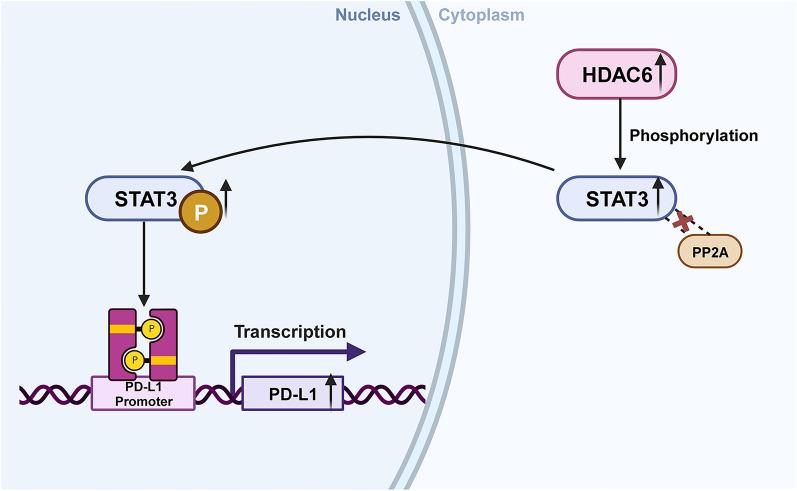
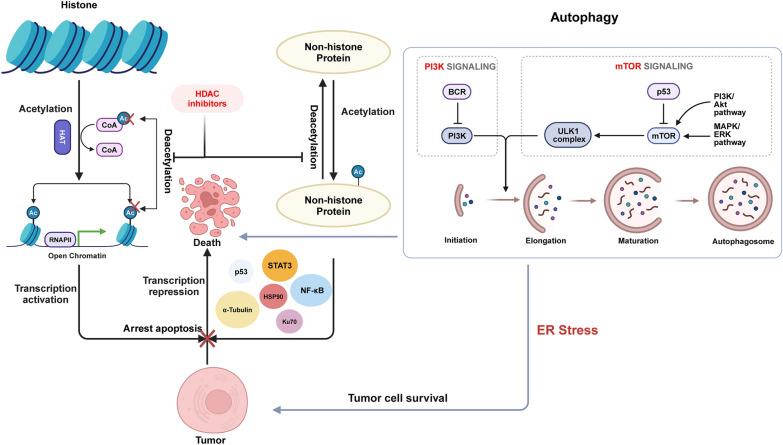
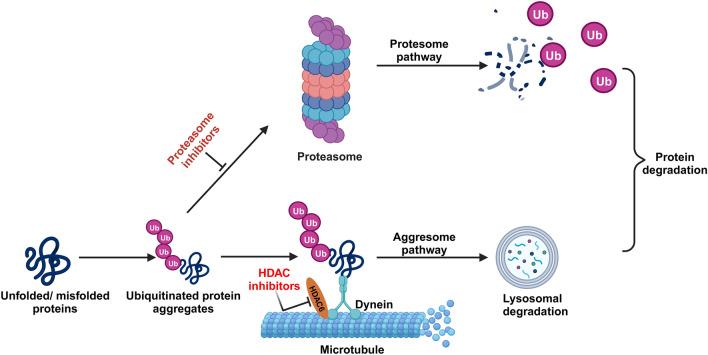
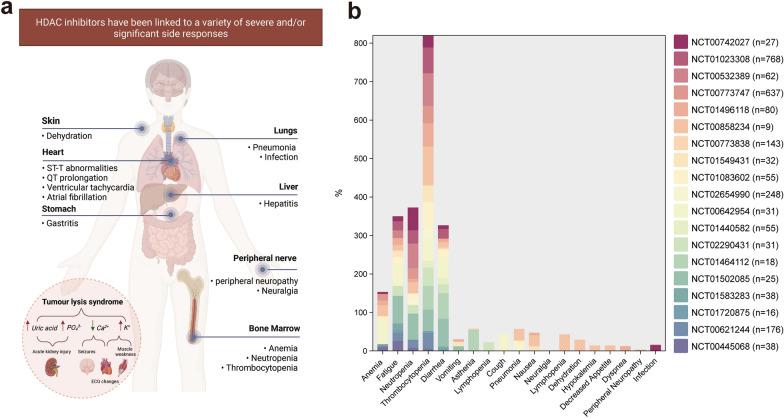
Histone deacetylase inhibitors (HDACis) are a significant category of pharmaceuticals that have developed in the past two decades to treat multiple myeloma. Four drugs in this category have received approval from the U.S. Food and Drug Administration (FDA) for use: Panobinonstat (though canceled by the FDA in 2022), Vorinostat, Belinostat and Romidepsin. The efficacy of this group of drugs is attributed to the disruption of many processes involved in tumor growth through the inhibition of histone deacetylase, and this mode of action leads to significant anti-multiple myeloma (MM) activity. In MM, inhibition of histone deacetylase has many downstream consequences, including suppression of NF-κB signaling and HSP90, upregulation of cell cycle regulators (p21, p53), and downregulation of antiapoptotic proteins including Bcl-2. Furthermore, HDACis have a variety of direct and indirect oxidative effects on cellular DNA. HDAC inhibitors enhance normal immune function, thereby decreasing the proliferation of malignant plasma cells and promoting autophagy. The various biological effects of inhibiting histone deacetylase have a combined or additional impact when used alongside other chemotherapeutic and targeted drugs for multiple myeloma. This helps to decrease resistance to treatment. Combination treatment regimens that include HDACis have become an essential part of the therapy for multiple myeloma. These regimens incorporate drugs from other important classes of anti-myeloma agents, such as immunomodulatory drugs (IMiDs), conventional chemotherapy, monoclonal antibodies, and proteasome inhibitors. This review provides a comprehensive evaluation of the clinical efficacy and safety data pertaining to the currently approved histone deacetylase inhibitors, as well as an explanation of the crucial function of histone deacetylase in multiple myeloma and the characteristics of the different histone deacetylase inhibitors. Moreover, it provides a concise overview of the most recent developments in the use of histone deacetylase inhibitors for treating multiple myeloma, as well as potential future uses in treatment.
组蛋白去乙酰化酶抑制剂(HDACis)是在过去二十年中研发出来用于治疗多发性骨髓瘤的一类重要药物。该类别中的四种药物已获得美国食品药品监督管理局(FDA)的使用批准:帕比司他(尽管在2022年被FDA取消)、伏立诺他、贝利司他和罗米地辛。这类药物的疗效归因于通过抑制组蛋白去乙酰化酶来干扰许多与肿瘤生长相关的过程,并且这种作用方式会产生显著的抗多发性骨髓瘤(MM)活性。在MM中,抑制组蛋白去乙酰化酶有许多下游效应,包括抑制NF-κB信号传导和HSP90、上调细胞周期调节因子(p21、p53)以及下调包括Bcl-2在内的抗凋亡蛋白。此外,HDACis对细胞DNA有多种直接和间接的氧化作用。HDAC抑制剂可增强正常免疫功能,从而减少恶性浆细胞的增殖并促进自噬。当与其他用于多发性骨髓瘤的化疗药物和靶向药物联合使用时,抑制组蛋白去乙酰化酶的各种生物学效应会产生联合或额外的影响。这有助于降低治疗抗性。包含HDACis的联合治疗方案已成为多发性骨髓瘤治疗的重要组成部分。这些方案纳入了其他重要类别的抗骨髓瘤药物,如免疫调节药物(IMiDs)、传统化疗药物、单克隆抗体和蛋白酶体抑制剂。本综述全面评估了目前已批准的组蛋白去乙酰化酶抑制剂的临床疗效和安全性数据,并解释了组蛋白去乙酰化酶在多发性骨髓瘤中的关键作用以及不同组蛋白去乙酰化酶抑制剂的特点。此外,它还简要概述了组蛋白去乙酰化酶抑制剂在治疗多发性骨髓瘤方面的最新进展以及未来潜在的治疗用途。


 Zotero 插件