
抗菌药物耐药性研究中的性别与公平性考量:一项系统性综述
Gender and equity considerations in AMR research: a systematic scoping review.
作者信息
Lynch Ingrid, Fluks Lorenza, Manderson Lenore, Isaacs Nazeema, Essop Roshin, Praphasawat Ravikanya, Middleton Lyn, Naemiratch Bhensri
机构信息
Human Sciences Research Council, Cape Town, South Africa.
University of the Witwatersrand, Johannesburg, South Africa.
出版信息
Monash Bioeth Rev. 2024 Dec;42(Suppl 1):16-40. doi: 10.1007/s40592-024-00194-2. Epub 2024 Apr 27.
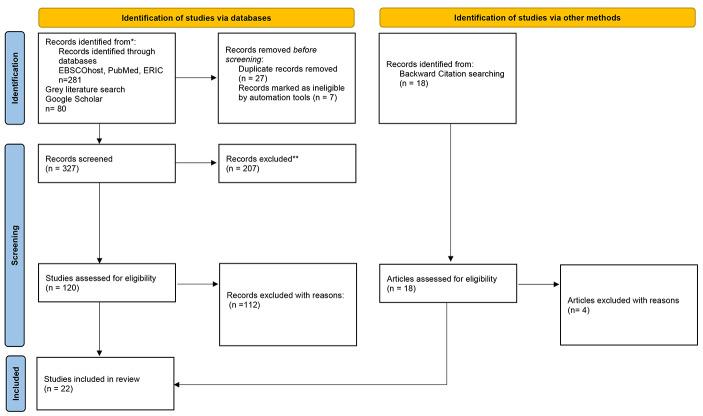
Research on gender and antimicrobial resistance (AMR) beyond women's biological susceptibility is limited. A gender and equity lens in AMR research is necessary to promote gender equality and support the effectiveness, uptake, and sustainability of real-world AMR solutions. We argue that it is an ethical and social justice imperative to include gender and related intersectional issues in AMR research and implementation. An intersectional exploration of the interplay between people's diverse identities and experiences, including their gender, socio-economic status, race, disability, age, and sexuality, may help us understand how these factors reinforce AMR risk and vulnerability and ensure that interventions to reduce the risk of AMR do not impact unevenly. This paper reports on the findings of a systematic scoping review on the interlinkages between AMR, gender and other socio-behavioural characteristics to identify priority knowledge gaps in human and animal health in LMICs. The review focused on peer-reviewed and grey literature published between 2017 and 2022. Three overarching themes were gendered division of caregiving roles and responsibilities, gender power relations in decision-making, and interactions between gender norms and health-seeking behaviours. Research that fails to account for gender and its intersections with other lines of disadvantage, such as race, class and ability, risks being irrelevant and will have little impact on the continued and dangerous spread of AMR. We provide recommendations for integrating an intersectional gender lens in AMR research, policy and practice.
除了女性的生理易感性之外,关于性别与抗微生物药物耐药性(AMR)的研究非常有限。在AMR研究中纳入性别和公平视角对于促进性别平等以及支持现实世界中AMR解决方案的有效性、采用率和可持续性而言是必要的。我们认为,在AMR研究和实施中纳入性别及相关交叉性问题是一项道德和社会正义的要求。对人们不同身份和经历(包括其性别、社会经济地位、种族、残疾、年龄和性取向)之间相互作用的交叉性探索,可能有助于我们理解这些因素如何强化AMR风险和脆弱性,并确保降低AMR风险的干预措施不会产生不均衡的影响。本文报告了一项关于AMR、性别与其他社会行为特征之间相互联系的系统性综述的结果,以确定低收入和中等收入国家在人类和动物健康方面的优先知识空白。该综述聚焦于2017年至2022年期间发表的同行评审文献和灰色文献。三个总体主题是照护角色和责任的性别划分、决策中的性别权力关系以及性别规范与求医行为之间的相互作用。未能考虑性别及其与种族、阶级和能力等其他劣势维度交叉情况的研究,可能会变得无关紧要,并且对AMR持续且危险的传播几乎没有影响。我们为在AMR研究、政策和实践中纳入交叉性性别视角提供了建议。
 Zotero 插件