
热灭活和活的 PSC102 对环磷酰胺处理大鼠免疫反应和肠道微生物群的调节作用。
Modulating effects of heat-killed and live PSC102 on the immune response and gut microbiota of cyclophosphamide-treated rats.
机构信息
Laboratory of Veterinary Pharmacokinetics and Pharmacodynamics, Institute for Veterinary Biomedical Science, College of Veterinary Medicine, Kyungpook National University, Daegu, South Korea.
Department of Biomedical Science and Department of Pharmacology, School of Medicine, Brain Science and Engineering Institute, Kyungpook National University, Daegu, South Korea.
出版信息
Vet Q. 2024 Dec;44(1):1-18. doi: 10.1080/01652176.2024.2344765. Epub 2024 Apr 29.
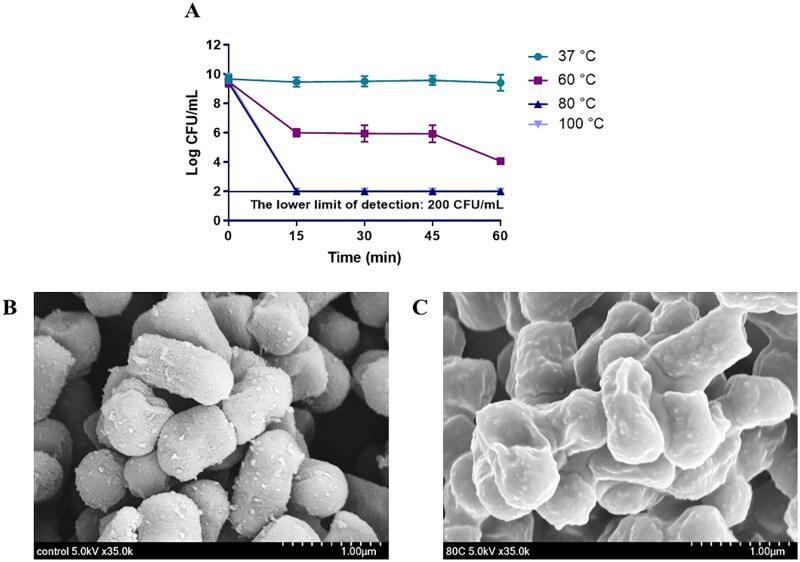
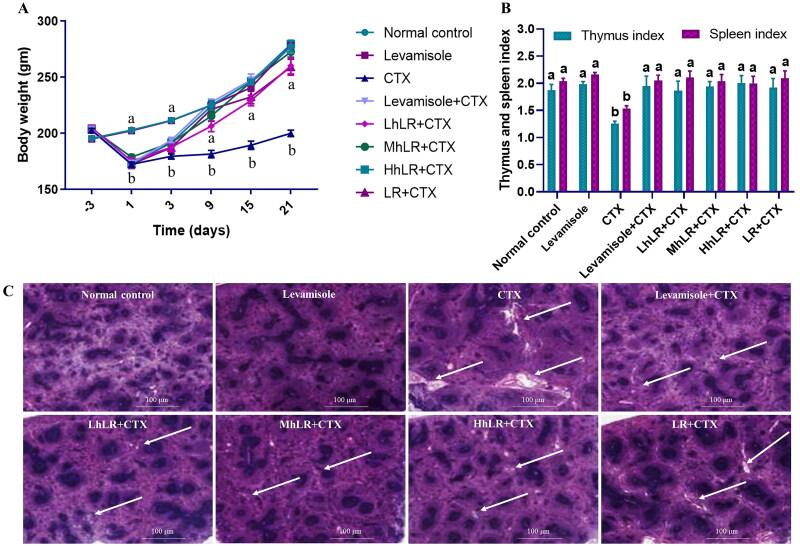
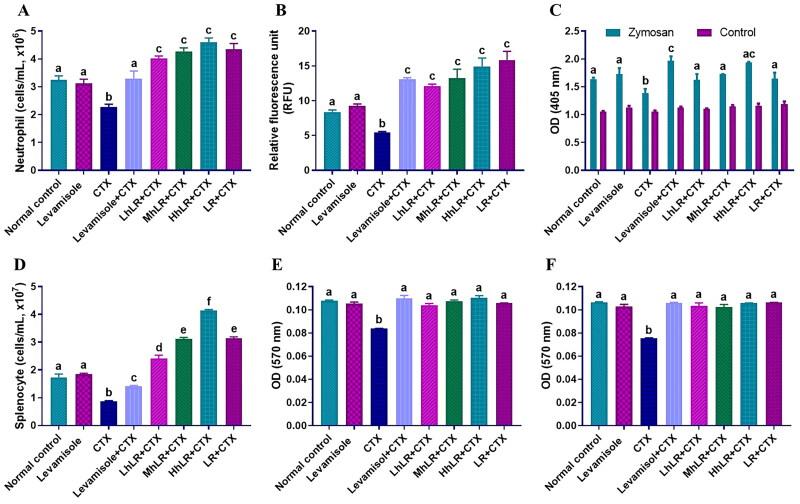
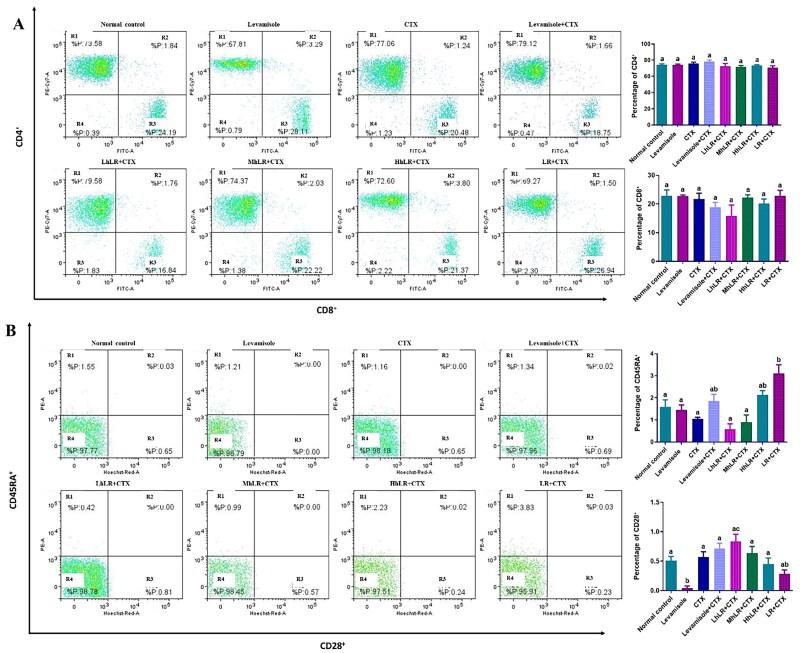
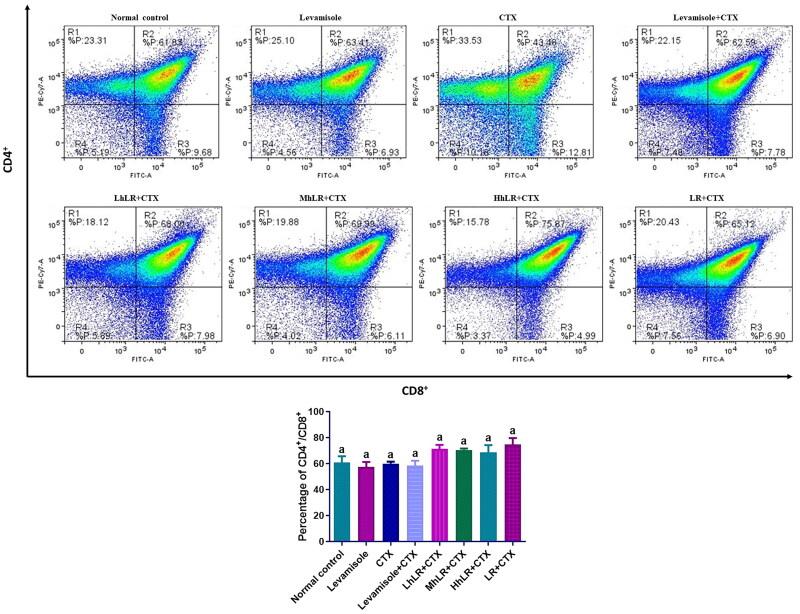
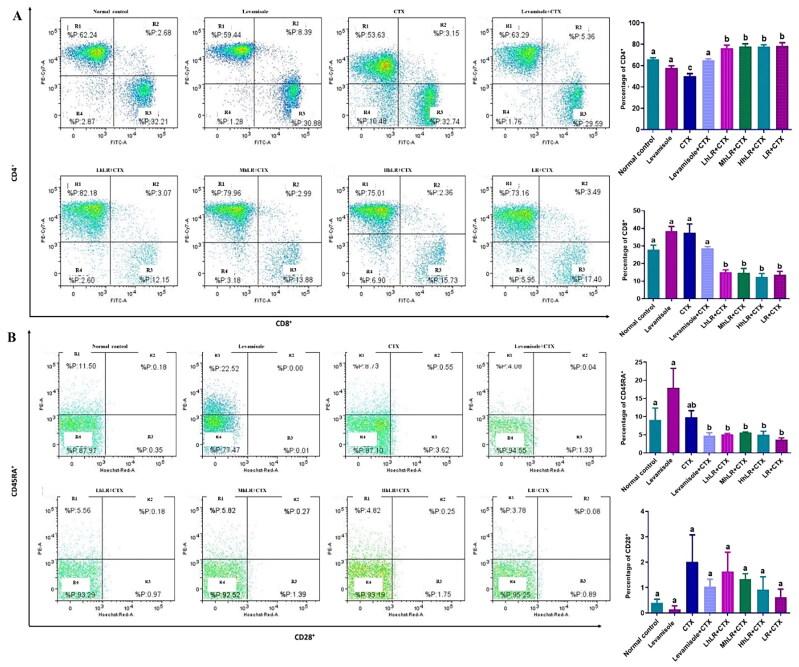
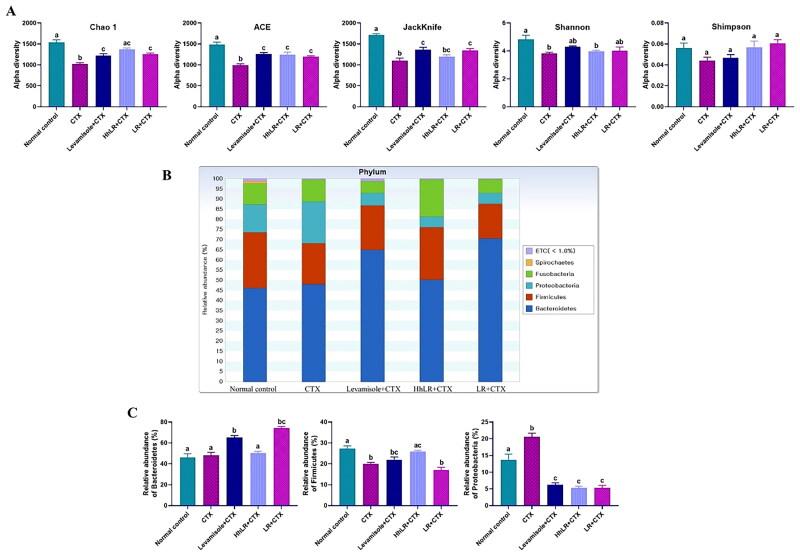
In the present study, we investigated the potential immunomodulatory effects of heat-killed (hLR) and live PSC102 (LR; formerly PSC102) in RAW264.7 macrophage cells and Sprague-Dawley rats. RAW264.7 murine macrophage cells were stimulated with hLR and LR for 24 h. Cyclophosphamide (CTX)-induced immunosuppressed Sprague-Dawley rats were orally administered with three doses of hLR (L-Low, M-Medium, and H-High) and LR for 3 weeks. The phagocytic capacity, production of nitric oxide (NO), and expression of cytokines in RAW264.7 cells were measured, and the different parameters of immunity in rats were determined. hLR and LR treatments promoted phagocytic activity and induced the production of NO and the expression of iNOS, TNF-α, IL-1β, IL-6, and Cox-2 in macrophage cells. In the experiment, hLR and LR treatments significantly increased the immune organ indices, alleviated the spleen injury, and ameliorated the number of white blood cells, granulocytes, lymphocytes, and mid-range absolute counts in immunosuppressive rats. hLR and LR increased neutrophil migration and phagocytosis, splenocyte proliferation, and T lymphocyte subsets (CD4, CD8, CD45RA, and CD28). The levels of immune factors (IL-2, IL-4, IL-6, IL-10, IL-12A, TNF-α, and IFN-γ) in the hLR and LR groups were upregulated compared with those in the CTX-treatment group. hLR and LR treatments could also modulate the gut microbiota composition, thereby increasing the relative abundance of Bacteroidetes and Firmicutes but decreasing the level of Proteobacteria. hLR and LR protected against CTX-induced adverse reactions by modulating the immune response and gut microbiota composition. Therefore, they could be used as potential immunomodulatory agents.
在本研究中,我们研究了热灭活(hLR)和活的 PSC102(LR;以前称为 PSC102)在 RAW264.7 巨噬细胞和 Sprague-Dawley 大鼠中的潜在免疫调节作用。RAW264.7 鼠巨噬细胞用 hLR 和 LR 刺激 24 小时。用环磷酰胺(CTX)诱导免疫抑制的 Sprague-Dawley 大鼠连续 3 周口服给予 hLR(L-低、M-中、H-高)和 LR。测量 RAW264.7 细胞的吞噬能力、一氧化氮(NO)的产生和细胞因子的表达,并确定大鼠的不同免疫参数。hLR 和 LR 处理促进了吞噬活性,并诱导了巨噬细胞中 NO 的产生和 iNOS、TNF-α、IL-1β、IL-6 和 Cox-2 的表达。在实验中,hLR 和 LR 处理显著增加了免疫器官指数,减轻了脾脏损伤,并改善了免疫抑制大鼠的白细胞、粒细胞、淋巴细胞和中值绝对计数。hLR 和 LR 增加了中性粒细胞的迁移和吞噬作用、脾细胞增殖以及 T 淋巴细胞亚群(CD4、CD8、CD45RA 和 CD28)。hLR 和 LR 组的免疫因子(IL-2、IL-4、IL-6、IL-10、IL-12A、TNF-α和 IFN-γ)水平较 CTX 处理组上调。hLR 和 LR 处理还可以调节肠道微生物群组成,从而增加拟杆菌门和厚壁菌门的相对丰度,降低变形菌门的水平。hLR 和 LR 通过调节免疫反应和肠道微生物群组成来防止 CTX 诱导的不良反应。因此,它们可以用作潜在的免疫调节剂。


 Zotero 插件