
细胞治疗受者中对严重急性呼吸综合征冠状病毒 2(SARS-CoV-2)疫苗第三和第四剂的免疫反应:系统评价和荟萃分析。
Immunologic responses to the third and fourth doses of severe acute respiratory syndrome coronavirus 2 (SARS-CoV-2) vaccines in cell therapy recipients: a systematic review and meta-analysis.
机构信息
Cell Therapy and Hematopoietic Stem Cell Transplantation Research Center, Tehran University of Medical Sciences, Tehran, Iran.
Research Institute for Oncology, Hematology and Cell Therapy, Tehran University of Medical Sciences, Tehran, Iran.
出版信息
Virol J. 2024 May 3;21(1):103. doi: 10.1186/s12985-024-02375-1.
BACKGROUND
Multiple studies have provided evidence of suboptimal or poor immune responses to SARS-CoV-2 vaccines in recipients of hematopoietic stem cell transplantation (HSCT) and chimeric antigen receptor-T (CAR-T) cell therapy compared to healthy individuals. Given the dynamic nature of SARS-CoV2, characterized by the emergence of many viral variations throughout the general population, there is ongoing discussion regarding the optimal quantity and frequency of additional doses required to sustain protection against SARS-CoV2 especially in this susceptible population. This systematic review and meta-analysis investigated the immune responses of HSCT and CAR-T cell therapy recipients to additional doses of the SARS-CoV-2 vaccines.
METHODS
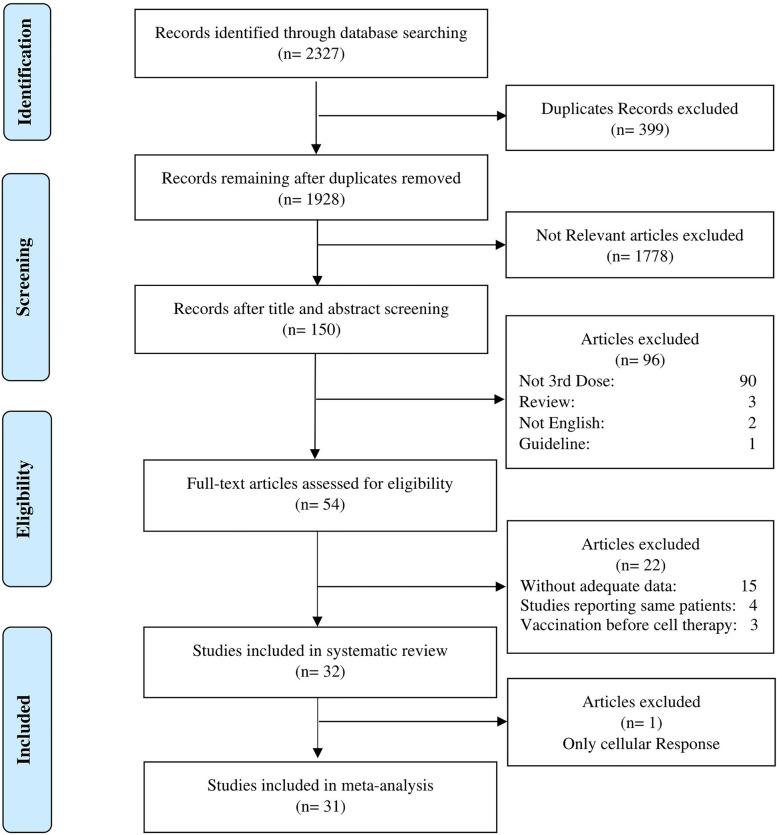
Following the Preferred Reporting Items for Systematic Reviews and Meta-Analyses (PRISMA) guidelines, the study involved a comprehensive search across PubMed, Scopus, Web of Science Core Collection, Embase, and Cochrane Biorxiv and medRxiv, focusing on the serological responses to the third and fourth vaccine doses in HSCT and CAR-T cell patients.
RESULTS
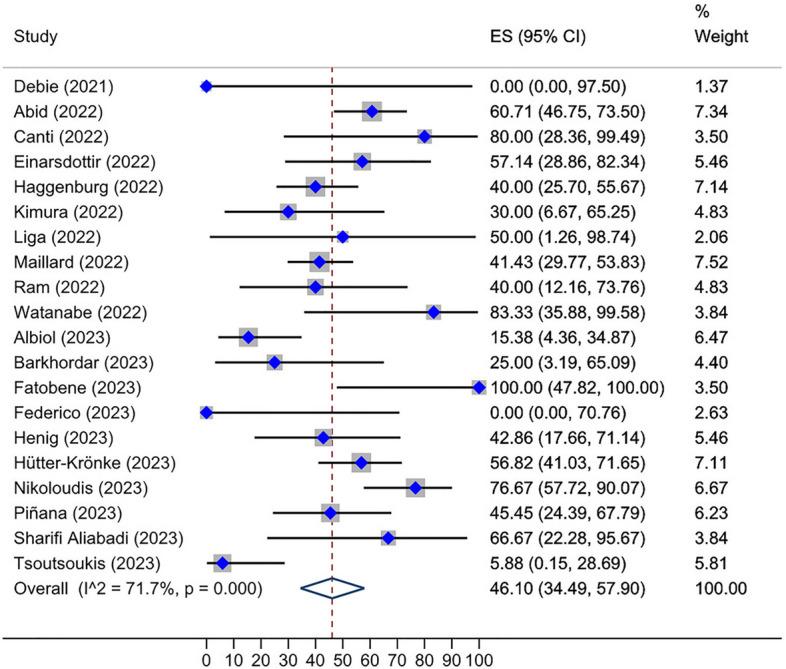
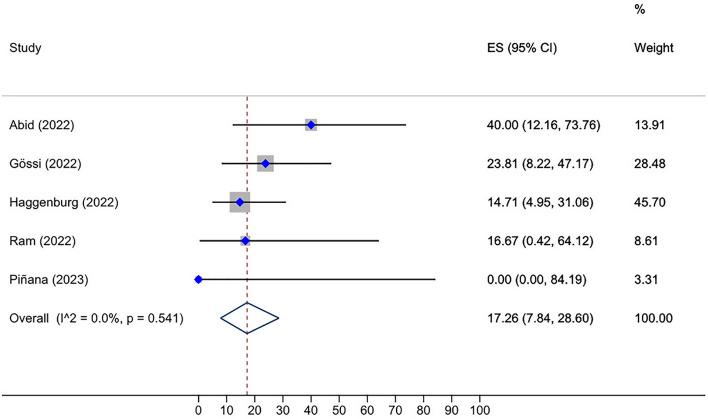
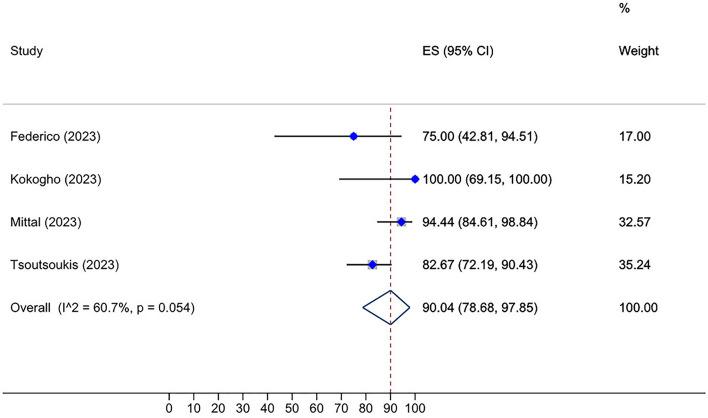
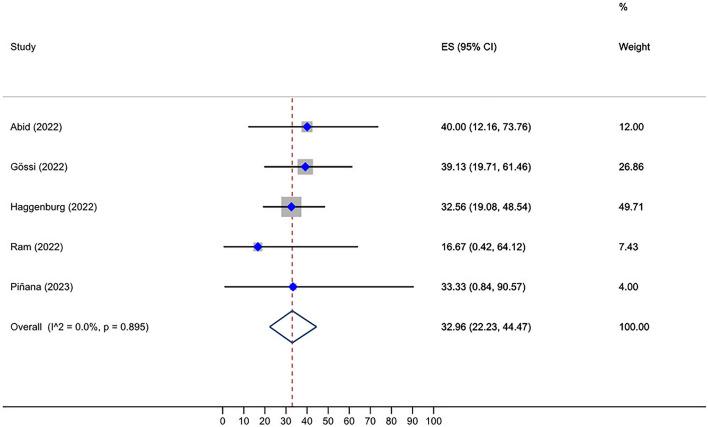
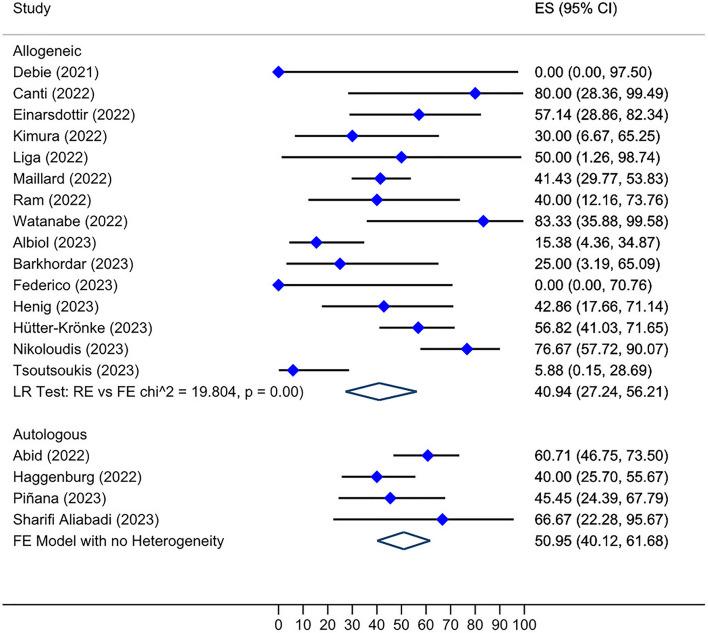
This study included 32 papers, with 31 qualifying for the meta-analysis. Results showed that after the third dose, the seroconversion rate in HSCT and CAR-T cell therapy recipients who didn't respond to the second dose was 46.10 and 17.26%, respectively. Following the fourth dose, HSCT patients had a seroconversion rate of 27.23%. Moreover, post-third-dose seropositivity rates were 87.14% for HSCT and 32.96% for CAR-T cell therapy recipients. Additionally, the seropositive response to the fourth dose in the HSCT group was 90.04%.
CONCLUSION
While a significant portion of HSCT recipients developed antibodies after additional vaccinations, only a minority of CAR-T cell therapy patients showed a similar response. This suggests that alternative vaccination strategies are needed to protect these vulnerable groups effectively. Moreover, few studies have reported cellular responses to additional SARS-CoV-2 vaccinations in these patients. Further studies evaluating cellular responses are required to determine a more precise assessment of immunogenicity strength against SARS-CoV-2 after additional doses.
背景
与健康个体相比,造血干细胞移植(HSCT)和嵌合抗原受体-T(CAR-T)细胞治疗的接受者对 SARS-CoV-2 疫苗的免疫反应较差或不佳,多项研究已经提供了证据。鉴于 SARS-CoV2 的动态性质,其特点是在整个人群中出现许多病毒变异,因此正在讨论需要额外剂量的数量和频率以维持对 SARS-CoV2 的保护,特别是在这种易感人群中。本系统评价和荟萃分析调查了 HSCT 和 CAR-T 细胞治疗接受者对 SARS-CoV-2 疫苗额外剂量的免疫反应。
方法
根据系统评价和荟萃分析的首选报告项目(PRISMA)指南,该研究在 PubMed、Scopus、Web of Science Core Collection、Embase 和 Cochrane Biorxiv 和 medRxiv 上进行了全面搜索,重点关注 HSCT 和 CAR-T 细胞患者对第三和第四剂疫苗的血清学反应。
结果
本研究共纳入 32 篇论文,其中 31 篇符合荟萃分析条件。结果表明,在接受第二剂疫苗后无反应的 HSCT 和 CAR-T 细胞治疗接受者中,第三剂后的血清转化率分别为 46.10%和 17.26%。接受第四剂疫苗后,HSCT 患者的血清转化率为 27.23%。此外,HSCT 和 CAR-T 细胞治疗接受者的第三剂后血清阳性率分别为 87.14%和 32.96%。此外,HSCT 组对第四剂疫苗的血清阳性反应率为 90.04%。
结论
尽管相当一部分 HSCT 接受者在额外接种疫苗后产生了抗体,但只有少数 CAR-T 细胞治疗患者表现出类似的反应。这表明需要采取替代疫苗接种策略来有效保护这些弱势群体。此外,很少有研究报告这些患者对额外 SARS-CoV-2 疫苗接种的细胞反应。需要进一步研究评估细胞反应,以确定对 SARS-CoV-2 额外剂量后的免疫原性强度进行更精确的评估。


 Zotero 插件