
评估医院分离的[具体细菌名称]菌株中的抗菌药物耐药性、生物膜形成及表面修饰潜力。 需注意,原文中“and.”表述有误,应补充完整细菌名称等相关准确信息。
Assessment of antimicrobial resistance, biofilm formation, and surface modification potential in hospital strains of and .
作者信息
Lordelo Roberta, Branco Rita, Gama Fernando, Morais Paula V
机构信息
University of Coimbra, Centre for Mechanical Engineering Material and Processes, ARISE, Department of Life Sciences, Coimbra, Portugal.
Health Sciences Research Unit: Nursing (UICISA: E), Portugal and Health School of the Polytechnic Institute of Viseu, Portugal.
出版信息
Heliyon. 2024 Apr 27;10(9):e30464. doi: 10.1016/j.heliyon.2024.e30464. eCollection 2024 May 15.
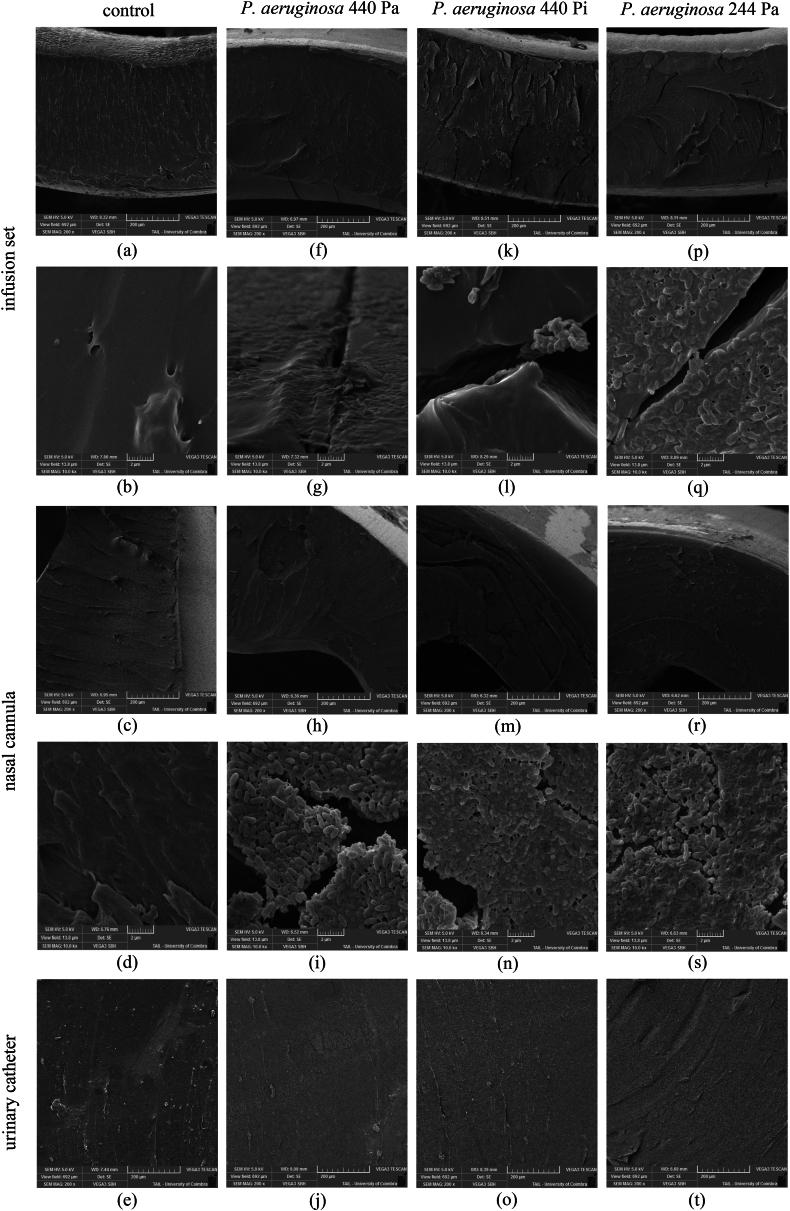
The occurrence of healthcare-associated infections is a multifactorial phenomenon related to hospital space contamination by bacteria. The ESKAPE group, specifically and , play a relevant role in the occurrence of these infections. Therefore, comprehensive research is needed to identify characteristics that justify the prevalence of these species in the healthcare environment. In this line, the study aimed to determine the antimicrobial resistance, biofilm formation, and the potential for polymer degradation in a collection of 33 strains and 2 strains sampled from various equipment and non-critical surfaces in a Portuguese hospital. Antimicrobial susceptibility tests revealed that none of the strains was categorized as multidrug-resistant (non-MDR). An assessment of their biofilm-forming capabilities indicated that 97 % of the strains exhibited biofilm-producing characteristics. Notably, within this group, the majority of osa and half of strains were classified as strong biofilm producers. Furthermore, the strains were evaluated for their potential to cause damage or change medical devices, namely infusion sets, nasal cannula, and urinary catheters. Three strains, two strong and one moderate biofilm producers, showed the highest ability to modify surfaces of the nasal cannula and infusion sets. Additionally, the Chi-square test revealed a statistically significant relationship between the presence of strains and the water accession spots. In conclusion, this work suggests that bacteria from this group hold a significant ability to grow in the healthcare environment through the degradation of non-critical materials. This suggests a potential concern for the persistence and proliferation of these organisms in hospital environments, emphasizing the importance of robust infection control measures to mitigate the risks associated with bacterial growth on such surfaces.
医疗保健相关感染的发生是一种与医院空间被细菌污染相关的多因素现象。ESKAPE菌群,特别是[具体菌种1]和[具体菌种2],在这些感染的发生中发挥着重要作用。因此,需要进行全面研究以确定能够解释这些菌种在医疗保健环境中普遍存在的特征。在此方面,本研究旨在测定从葡萄牙一家医院的各种设备和非关键表面采集的33株[菌种1]菌株和2株[菌种2]菌株的抗菌药物耐药性、生物膜形成能力以及聚合物降解潜力。抗菌药物敏感性试验表明,没有一株菌株被归类为多重耐药菌(非MDR)。对其生物膜形成能力的评估表明,97%的菌株具有产生生物膜的特征。值得注意的是,在这一组中,大多数[菌种1]菌株和一半的[菌种2]菌株被归类为强生物膜产生菌。此外,还评估了这些菌株对医疗设备(即输液器、鼻饲管和导尿管)造成损害或改变的潜力。三株[菌种2]菌株,两株为强生物膜产生菌,一株为中度生物膜产生菌,显示出对鼻饲管和输液器表面的最高改性能力。此外,卡方检验显示[菌种2]菌株的存在与水接入点之间存在统计学上的显著关系。总之,这项工作表明,该菌群中的细菌通过降解非关键材料在医疗保健环境中具有显著的生长能力。这表明这些微生物在医院环境中的持续存在和增殖可能令人担忧,强调了采取强有力的感染控制措施以降低与此类表面细菌生长相关风险的重要性。


 Zotero 插件