
CAR T 细胞疗法治疗泌尿系统肿瘤的分子机制与临床转归。
Molecular understanding and clinical outcomes of CAR T cell therapy in the treatment of urological tumors.
机构信息
Department of Urology, Shengjing Hospital of China Medical University, Shenyang, 110004, China.
Department of General Surgery, Shengjing Hospital of China Medical University, Shenyang, 110004, China.
出版信息
Cell Death Dis. 2024 May 24;15(5):359. doi: 10.1038/s41419-024-06734-2.
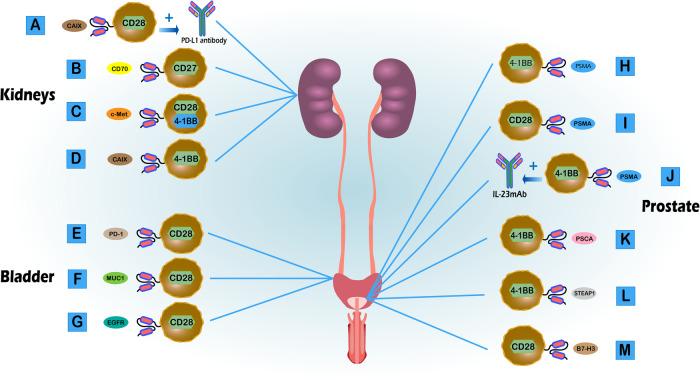
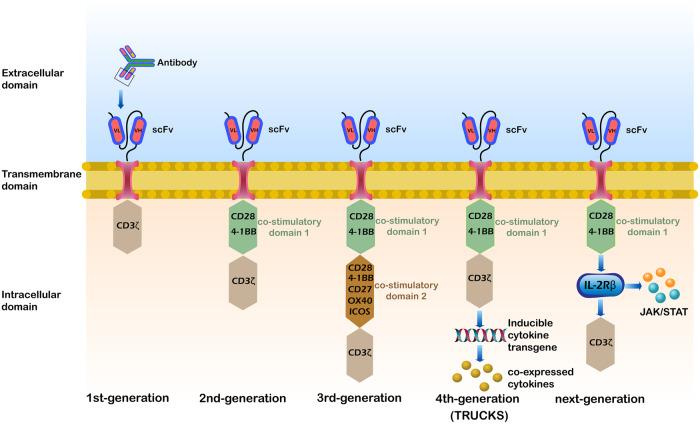
Chimeric antigen receptor engineered T (CAR T) cell therapy has developed rapidly in recent years, leading to profound developments in oncology, especially for hematologic malignancies. However, given the pressure of immunosuppressive tumor microenvironments, antigen escape, and diverse other factors, its application in solid tumors is less developed. Urinary system tumors are relatively common, accounting for approximately 24% of all new cancers in the United States. CAR T cells have great potential for urinary system tumors. This review summarizes the latest developments of CAR T cell therapy in urinary system tumors, including kidney cancer, bladder cancer, and prostate cancer, and also outlines the various CAR T cell generations and their pathways and targets that have been developed thus far. Finally, the current advantages, problems, and side effects of CAR T cell therapy are discussed in depth, and potential future developments are proposed in view of current shortcomings.
嵌合抗原受体工程 T 细胞(CAR T)疗法近年来发展迅速,在肿瘤学领域,尤其是血液恶性肿瘤方面取得了重大进展。然而,由于免疫抑制性肿瘤微环境、抗原逃逸和其他多种因素的压力,其在实体肿瘤中的应用还不够发达。泌尿系统肿瘤较为常见,约占美国所有新发癌症的 24%。CAR T 细胞在泌尿系统肿瘤中具有巨大的应用潜力。本文综述了 CAR T 细胞疗法在泌尿系统肿瘤(包括肾癌、膀胱癌和前列腺癌)中的最新进展,概述了迄今为止开发的各种 CAR T 细胞代次及其途径和靶点。最后,深入讨论了 CAR T 细胞疗法的当前优势、问题和副作用,并针对当前的不足之处提出了潜在的未来发展方向。
 Zotero 插件