
mTOR 突变通过调节芽基细胞的增殖和线粒体功能破坏幼鱼尾鳍再生。
mTOR mutation disrupts larval zebrafish tail fin regeneration via regulating proliferation of blastema cells and mitochondrial functions.
机构信息
Center for Joint Surgery, Department of Orthopedic Surgery, The Second Affiliated Hospital of Chongqing Medical University, 74 Linjiang Road, Chongqing, 400010, China.
Department of Cardiology, The Second Affiliated Hospital of Chongqing Medical University, 74 Linjiang Road, Chongqing, 400010, China.
出版信息
J Orthop Surg Res. 2024 May 29;19(1):321. doi: 10.1186/s13018-024-04802-z.
BACKGROUND
The larval zebrafish tail fin can completely regenerate in 3 days post amputation. mTOR, the main regulator of cell growth and metabolism, plays an essential role in regeneration. Lots of studies have documented the role of mTOR in regeneration. However, the mechanisms involved are still not fully elucidated.
MATERIALS AND RESULTS
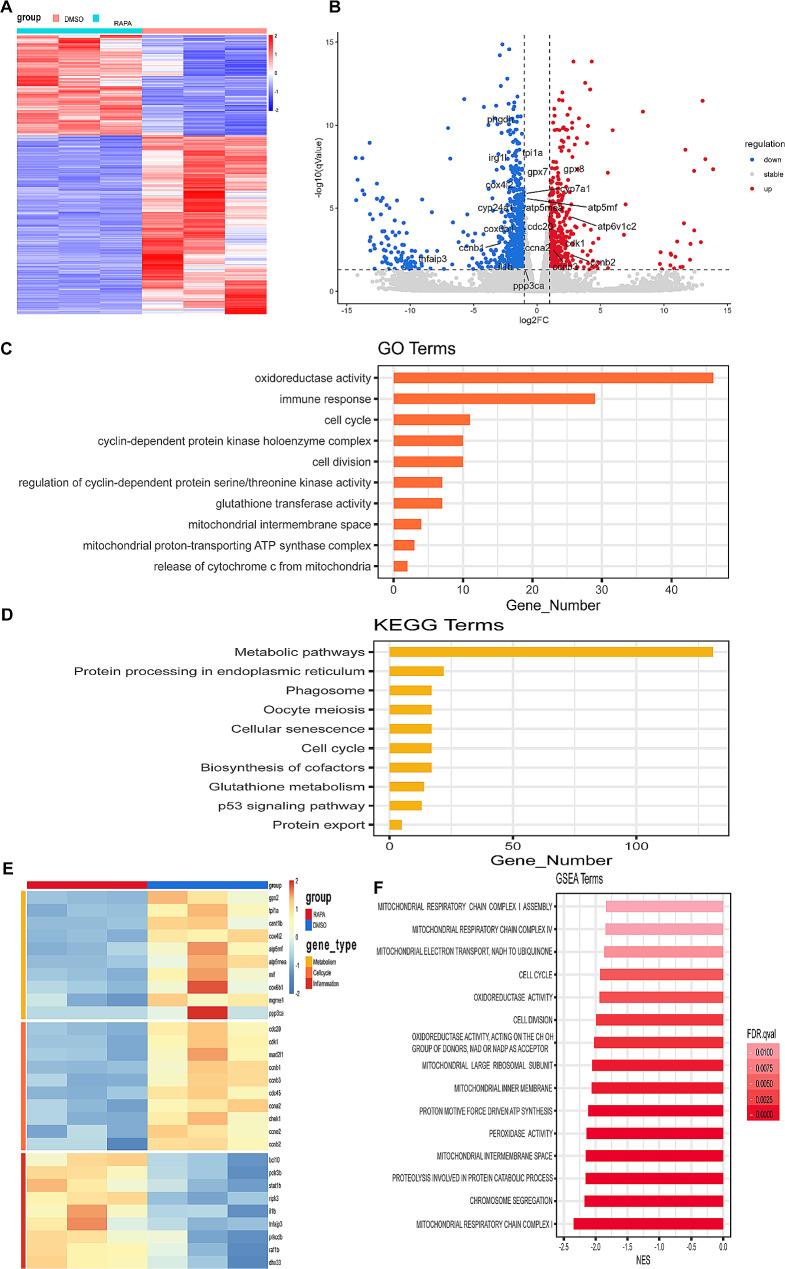
This study aimed to explore the role and mechanism of mTOR in the regeneration of larval zebrafish tail fins. Initially, the spatial and temporal expression of mTOR signaling in the larval fin was examined, revealing its activation following tail fin amputation. Subsequently, a mTOR knockout (mTOR-KO) zebrafish line was created using CRISPR/Cas9 gene editing technology. The investigation demonstrated that mTOR depletion diminished the proliferative capacity of epithelial and mesenchymal cells during fin regeneration, with no discernible impact on cell apoptosis. Insight from SMART-seq analysis uncovered alterations in the cell cycle, mitochondrial functions and metabolic pathways when mTOR signaling was suppressed during fin regeneration. Furthermore, mTOR was confirmed to enhance mitochondrial functions and Ca activation following fin amputation. These findings suggest a potential role for mTOR in promoting mitochondrial fission to facilitate tail fin regeneration.
CONCLUSION
In summary, our results demonstrated that mTOR played a key role in larval zebrafish tail fin regeneration, via promoting mitochondrial fission and proliferation of blastema cells.
背景
斑马鱼幼鱼尾鳍在截肢后 3 天内可完全再生。mTOR 是细胞生长和代谢的主要调节因子,在再生中起着至关重要的作用。大量研究记录了 mTOR 在再生中的作用。然而,涉及的机制仍未完全阐明。
材料和结果
本研究旨在探讨 mTOR 在斑马鱼幼鱼尾鳍再生中的作用和机制。首先,检测了 mTOR 信号在幼鱼尾鳍中的时空表达,发现其在尾鳍截肢后被激活。随后,使用 CRISPR/Cas9 基因编辑技术创建了 mTOR 敲除(mTOR-KO)斑马鱼系。研究表明,mTOR 耗竭降低了再生过程中上皮和间充质细胞的增殖能力,但对细胞凋亡没有明显影响。SMART-seq 分析表明,当 mTOR 信号在 fin 再生过程中被抑制时,细胞周期、线粒体功能和代谢途径发生改变。此外,mTOR 被证实可增强 fin 截肢后线粒体功能和 Ca 的激活。这些发现表明 mTOR 在促进线粒体分裂以促进尾鳍再生方面可能发挥作用。
结论
综上所述,我们的结果表明,mTOR 通过促进线粒体分裂和芽基细胞的增殖,在斑马鱼幼鱼尾鳍再生中发挥关键作用。




 Zotero 插件