
新冠病毒刺突蛋白-铁蛋白纳米笼单体疫苗的计算设计、稳定性及相互作用研究
Computational design and investigation of the monomeric spike SARS-CoV-2-ferritin nanocage vaccine stability and interactions.
作者信息
Garmeh Motlagh Farnaz, Azimzadeh Irani Maryam, Masoomi Nomandan Seyedeh Zeinab, Assadizadeh Mohammad
机构信息
Faculty of Life Sciences and Biotechnology, Shahid Beheshti University, Tehran, Iran.
出版信息
Front Mol Biosci. 2024 Jun 12;11:1403635. doi: 10.3389/fmolb.2024.1403635. eCollection 2024.
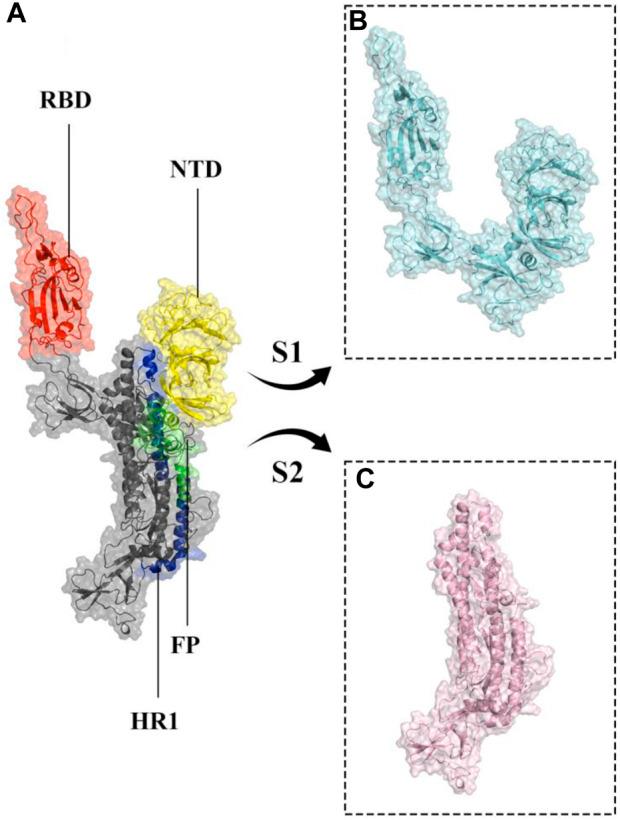
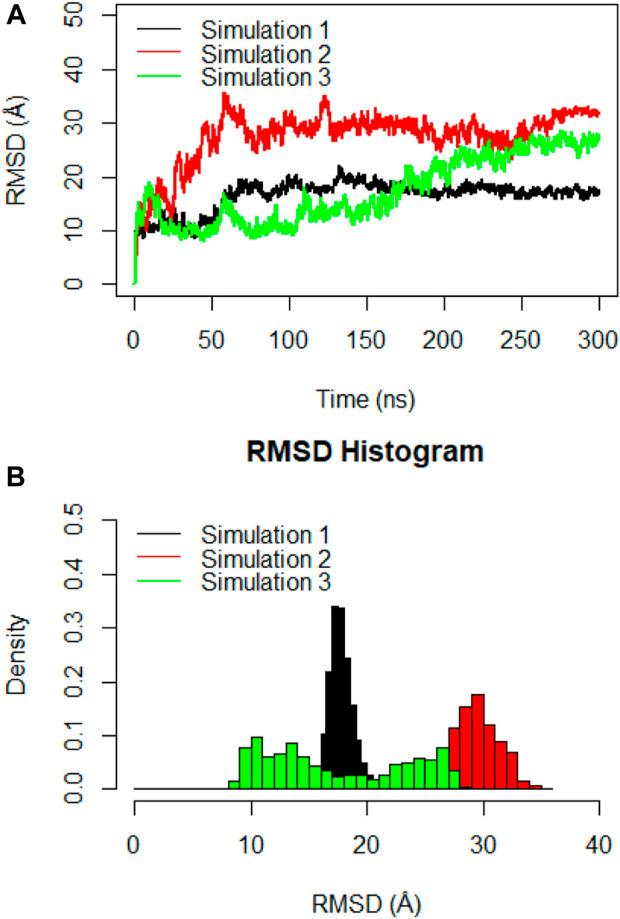
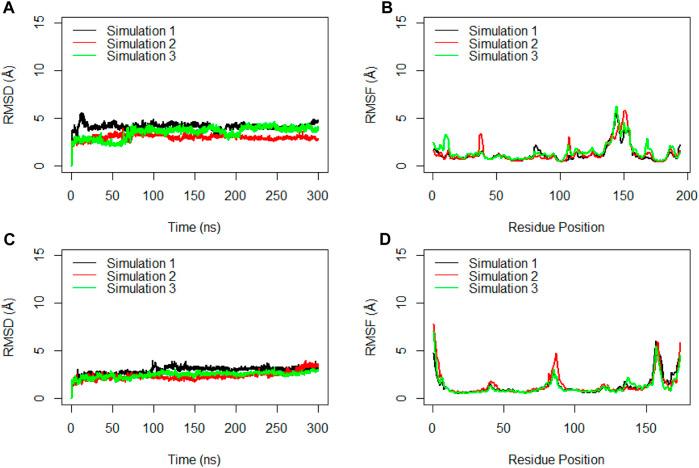
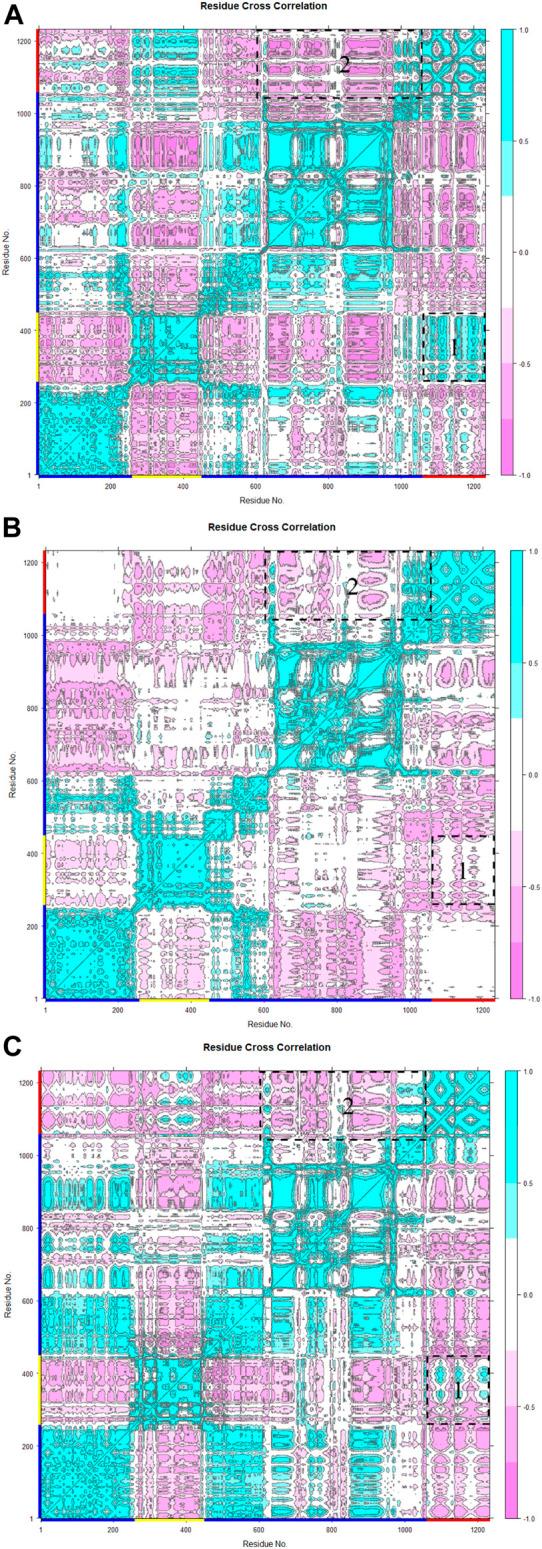
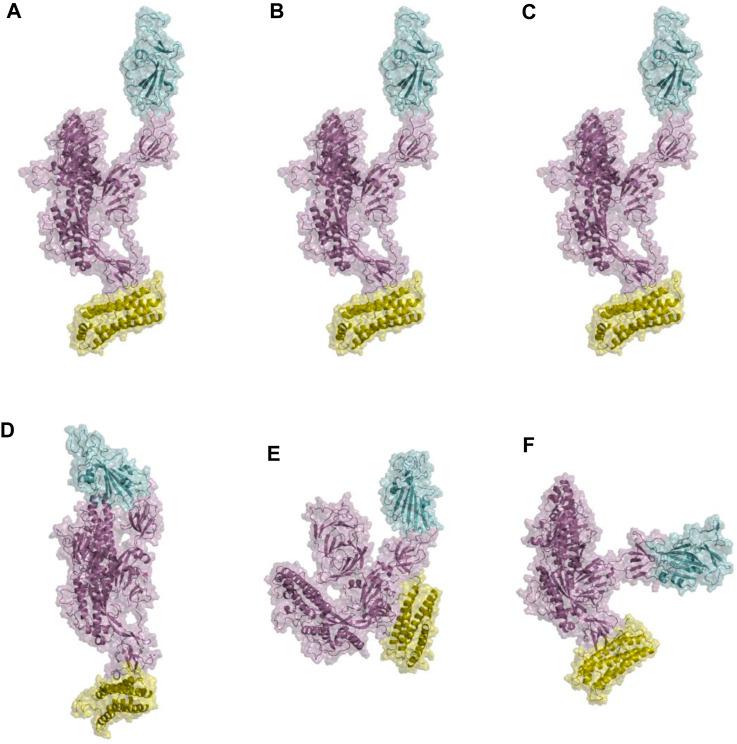
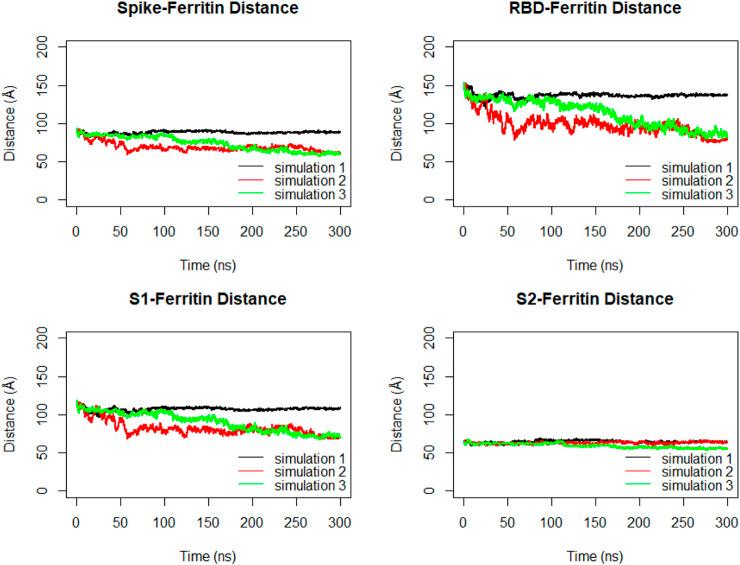
Since the Severe Acute Respiratory Syndrome Coronavirus 2 (SARS-CoV-2) outbreak, several solutions have been proposed to manage the disease. The most viable option for controlling this virus is to produce effective vaccines. Most of the current SARS-CoV-2 vaccines have focused on the infusion spike protein. Spike exists as a trimer and plays a vital role in infecting host cells by binding to the Angiotensin-Converting Enzyme 2 (ACE2) receptor through its Receptor Binding Domain (RBD). Ferritin protein, a naturally occurring iron-storage protein, has gained attention for vaccine production due to its self-assembling property, non-toxic nature, and biocompatibility. Ferritin nanocages have recently been employed in the development of a SARS-CoV-2 vaccination eliciting not only long-term protective memory cells but also a sustained antibody response. In this study, a combination of investigations including molecular docking, molecular dynamics simulations, and immune simulations were carried out to computationally model the monomeric spike protein on the ferritin nanocage as well as to evaluate its stability and interactions for the first time. The structural dynamics of the modeled complex demonstrated noticeable stability. In particular, the Receptor Binding Domain (RBD) and ferritin within the monomeric spike-ferritin complex illustrated significant stability. The lack of alterations in the secondary structure further supported the overall steadiness of the complex. The decline in the distance between ferritin and spike suggests a strong interaction over time. The cross-correlation matrices revealed that the monomeric spike and ferritin move towards each other supporting the stable interaction between spike and ferritin. Further, the orientation of monomeric spike protein within the ferritin unit facilitated the exposure of critical epitopes, specifically upward active Receptor Binding Domain (RBD), enabling effective interactions with the ACE2 receptor. The immune simulations of the model indicated high-level stimulations of both cellular and humoral immunity in the human body. It was also found that the employed model is effective regardless of the mutated spikes in different variants. These findings shed light on the current status of the SARS-CoV-2-ferritin nanoparticle vaccines and could be used as a framework for other similar vaccine designs.
自严重急性呼吸综合征冠状病毒2(SARS-CoV-2)爆发以来,已提出多种应对该疾病的解决方案。控制这种病毒最可行的选择是生产有效的疫苗。目前大多数SARS-CoV-2疫苗都集中在注入刺突蛋白上。刺突以三聚体形式存在,通过其受体结合域(RBD)与血管紧张素转换酶2(ACE2)受体结合,在感染宿主细胞中起关键作用。铁蛋白,一种天然存在的铁储存蛋白,因其自组装特性、无毒性质和生物相容性,在疫苗生产中受到关注。铁蛋白纳米笼最近已被用于开发SARS-CoV-2疫苗,不仅能引发长期保护性记忆细胞,还能产生持续的抗体反应。在本研究中,进行了包括分子对接、分子动力学模拟和免疫模拟在内的一系列研究,首次对铁蛋白纳米笼上的单体刺突蛋白进行计算建模,并评估其稳定性和相互作用。建模复合物的结构动力学显示出显著的稳定性。特别是,单体刺突-铁蛋白复合物中的受体结合域(RBD)和铁蛋白表现出显著的稳定性。二级结构缺乏变化进一步支持了复合物的整体稳定性。铁蛋白和刺突之间距离的减小表明随着时间的推移存在强烈的相互作用。互相关矩阵显示单体刺突和铁蛋白相互靠近,支持刺突和铁蛋白之间的稳定相互作用。此外,单体刺突蛋白在铁蛋白单元内的取向有利于关键表位的暴露,特别是向上的活性受体结合域(RBD),从而能够与ACE2受体进行有效相互作用。该模型的免疫模拟表明在人体中对细胞免疫和体液免疫均有高水平的刺激。还发现所采用的模型无论在不同变体中的刺突突变如何都是有效的。这些发现揭示了SARS-CoV-2-铁蛋白纳米颗粒疫苗的现状,并可作为其他类似疫苗设计的框架。






 Zotero 插件