
Nutlin-3a与运动对富含小鼠双微体2的胶质瘤治疗的影响
Impacts of Nutlin-3a and exercise on murine double minute 2-enriched glioma treatment.
作者信息
Chen Yisheng, Fan Zhongcheng, Luo Zhiwen, Kang Xueran, Wan Renwen, Li Fangqi, Lin Weiwei, Han Zhihua, Qi Beijie, Lin Jinrong, Sun Yaying, Huang Jiebin, Xu Yuzhen, Chen Shiyi
机构信息
Department of Sport Medicine, Huashan Hospital, Fudan University, Shanghai, China.
Department of Orthopedic Surgery, Hainan Province Clinical Medical Center, Haikou Affiliated Hospital of Central South University Xiangya School of Medicine, Haikou, Hainan Province, China.
出版信息
Neural Regen Res. 2025 Apr 1;20(4):1135-1152. doi: 10.4103/NRR.NRR-D-23-00875. Epub 2024 Mar 1.
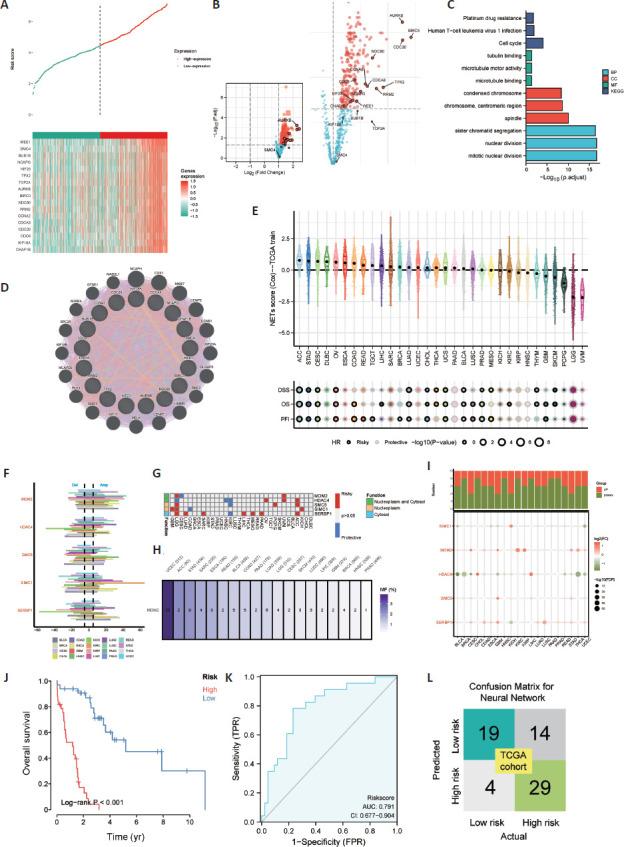
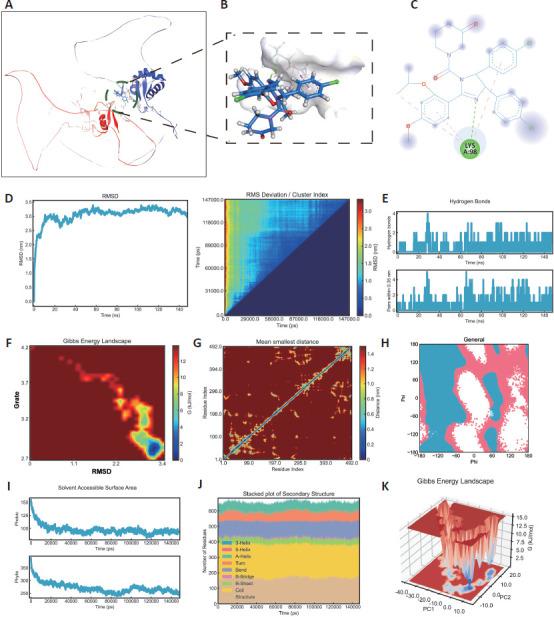
JOURNAL/nrgr/04.03/01300535-202504000-00029/figure1/v/2024-07-06T104127Z/r/image-tiff Recent research has demonstrated the impact of physical activity on the prognosis of glioma patients, with evidence suggesting exercise may reduce mortality risks and aid neural regeneration. The role of the small ubiquitin-like modifier (SUMO) protein, especially post-exercise, in cancer progression, is gaining attention, as are the potential anti-cancer effects of SUMOylation. We used machine learning to create the exercise and SUMO-related gene signature (ESLRS). This signature shows how physical activity might help improve the outlook for low-grade glioma and other cancers. We demonstrated the prognostic and immunotherapeutic significance of ESLRS markers, specifically highlighting how murine double minute 2 (MDM2), a component of the ESLRS, can be targeted by nutlin-3. This underscores the intricate relationship between natural compounds such as nutlin-3 and immune regulation. Using comprehensive CRISPR screening, we validated the effects of specific ESLRS genes on low-grade glioma progression. We also revealed insights into the effectiveness of Nutlin-3a as a potent MDM2 inhibitor through molecular docking and dynamic simulation. Nutlin-3a inhibited glioma cell proliferation and activated the p53 pathway. Its efficacy decreased with MDM2 overexpression, and this was reversed by Nutlin-3a or exercise. Experiments using a low-grade glioma mouse model highlighted the effect of physical activity on oxidative stress and molecular pathway regulation. Notably, both physical exercise and Nutlin-3a administration improved physical function in mice bearing tumors derived from MDM2-overexpressing cells. These results suggest the potential for Nutlin-3a, an MDM2 inhibitor, with physical exercise as a therapeutic approach for glioma management. Our research also supports the use of natural products for therapy and sheds light on the interaction of exercise, natural products, and immune regulation in cancer treatment.
《期刊》/nrgr/04.03/01300535 - 202504000 - 00029/图1/v/2024 - 07 - 06T104127Z/图像 - tiff格式 近期研究已证明身体活动对胶质瘤患者预后的影响,有证据表明运动可能降低死亡风险并有助于神经再生。小泛素样修饰物(SUMO)蛋白的作用,尤其是运动后其在癌症进展中的作用,正受到关注,SUMO化的潜在抗癌作用也同样如此。我们使用机器学习创建了运动与SUMO相关基因特征(ESLRS)。该特征展示了身体活动可能如何有助于改善低级别胶质瘤和其他癌症的预后。我们证明了ESLRS标志物的预后和免疫治疗意义,特别强调了ESLRS的一个组成部分——小鼠双微体2(MDM2)可被nutlin - 3靶向。这突出了nutlin - 3等天然化合物与免疫调节之间的复杂关系。通过全面的CRISPR筛选,我们验证了特定ESLRS基因对低级别胶质瘤进展的影响。我们还通过分子对接和动态模拟揭示了Nutlin - 3a作为一种有效的MDM2抑制剂的有效性。Nutlin - 3a抑制胶质瘤细胞增殖并激活p53通路。随着MDM2过表达,其疗效降低,而Nutlin - 3a或运动可使其逆转。使用低级别胶质瘤小鼠模型的实验突出了身体活动对氧化应激和分子通路调节的作用。值得注意的是,体育锻炼和给予Nutlin - 3a均改善了携带源自MDM2过表达细胞肿瘤的小鼠的身体功能。这些结果表明MDM2抑制剂Nutlin - 3a与体育锻炼作为胶质瘤治疗方法的潜力。我们的研究还支持使用天然产物进行治疗,并揭示了运动、天然产物和免疫调节在癌症治疗中的相互作用。



 Zotero 插件