
肺部微生物群对肺癌治疗相关肺炎的影响。
Impact of Pulmonary microbiota on lung cancer treatment-related pneumonia.
作者信息
Zhao Maoyuan, Hou Wang, Pu Dan, Li Zhixi, Tu Li, Ow Calista Jia Ling, Tian Jie, Li Weimin
机构信息
Lung cancer center, Frontiers Science Center for Disease-related Molecular Network, West China Hospital, Sichuan University, Chengdu, Sichuan, China.
Department of Respiratory and Critical Care Medicine, Frontiers Science Center for Disease-related Molecular Network, West China Hospital, Sichuan University, Chengdu, Sichuan, China.
出版信息
J Cancer. 2024 Jun 17;15(14):4503-4512. doi: 10.7150/jca.93818. eCollection 2024.
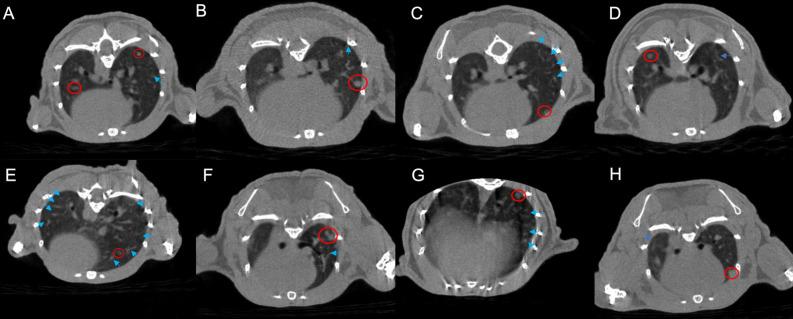
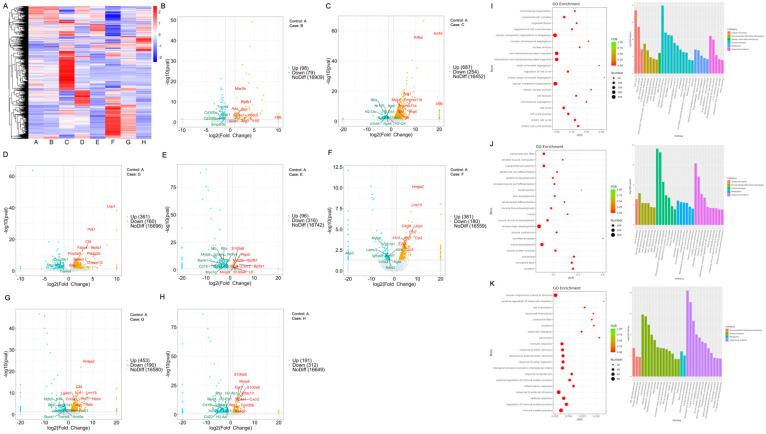
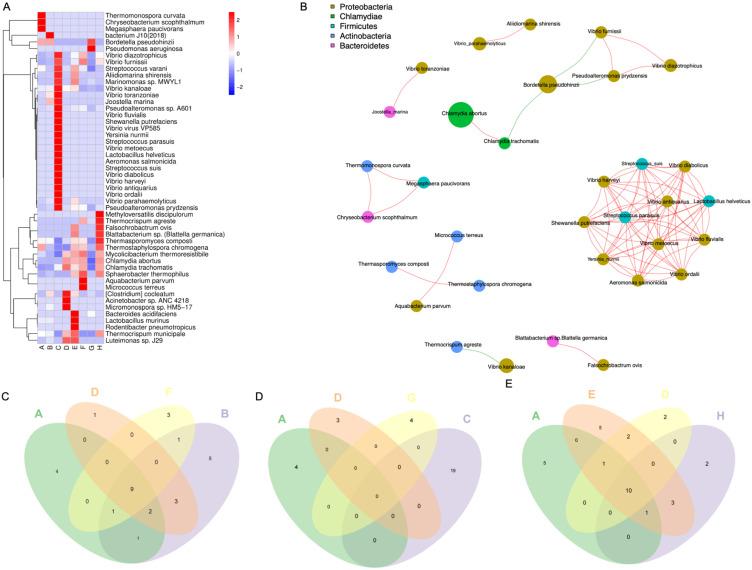
The use of immunotherapy is progressively expanding for the treatment of lung cancer, either alone or in combination with radiotherapy. However, treatment-related adverse events, especially pneumonia, significantly limit the drug's effectiveness in treating lung cancer. The occurrence of lung cancer, immunotherapy, and pulmonary radiotherapy can all contribute to the imbalance in the pulmonary microbiota, rendering the lungs more susceptible to inflammatory reactions. Mouse models of lung transplantation tumor were treated with either PD-1 monoclonal antibody or radiotherapy alone, or in combination. The differences in lung inflammation among the different treatment groups were regularly observed by micro-CT. Further, bronchoalveolar lavage fluid was extracted for macrogenomic and cytokine detection. The transcriptional genome of tumor-filled lung tissue was also sequenced. When treated with a combination of PD-1 and radiotherapy, the CT scans showed more severe pulmonary inflammation. However, with the addition of continuously administered antibiotics, no exacerbation of pneumonia signs was observed. Moreover, the differential gene expression and cytokine profiles in the combination treatment group differed from those in the PD-1 monotherapy group and the radiotherapy monotherapy group. This discrepancy does not seem to be a straightforward superimposition of radiation-induced pneumonia and immune-related pneumonia. Further exploration of changes in pulmonary microbiota revealed specific bacterial interactions with DEGs and cytokines. The underlying causes of this susceptibility are intricate and may be associated with the complexity of pulmonary microbiota imbalance, along with fluctuations in the abundance of specific microbiota species.
免疫疗法在肺癌治疗中的应用正在逐步扩大,可单独使用或与放疗联合使用。然而,与治疗相关的不良事件,尤其是肺炎,显著限制了该药物在治疗肺癌方面的有效性。肺癌的发生、免疫疗法以及肺部放疗都会导致肺部微生物群失衡,使肺部更容易发生炎症反应。对肺移植肿瘤小鼠模型分别单独给予PD - 1单克隆抗体或放疗,或两者联合使用。通过微型CT定期观察不同治疗组之间肺部炎症的差异。此外,提取支气管肺泡灌洗液进行宏基因组学和细胞因子检测。还对充满肿瘤的肺组织的转录基因组进行了测序。当联合使用PD - 1和放疗时,CT扫描显示肺部炎症更严重。然而,在持续使用抗生素后,未观察到肺炎症状加重。此外,联合治疗组的差异基因表达和细胞因子谱与PD - 1单药治疗组和放疗单药治疗组不同。这种差异似乎并非单纯是放射性肺炎和免疫相关性肺炎的叠加。对肺部微生物群变化的进一步探索揭示了特定细菌与差异表达基因和细胞因子之间的相互作用。这种易感性的潜在原因错综复杂,可能与肺部微生物群失衡的复杂性以及特定微生物种类丰度的波动有关。

 Zotero 插件