
泰国沙敦府马南地区一群玛尼族人群野生动物接触与就医行为的定性研究。
A qualitative study on wildlife contact and healthcare-seeking behaviors among a cluster of Mani ethnic group in Manang district, Satun province of Thailand.
作者信息
Boonyakawee Paisit, Suwannarong Kanokwan, Ponlap Thanomsin, Thammasutti Kannika, Kanthawee Phitsanuruk, Bubpa Nisachon, Boonyakawee Chularat, Pradana Bagus, Sokamol Songsak
机构信息
Trang Sirindhorn College of Public Health, Ministry of Public Health, Trang, Thailand.
Center of Excellence for Emerging and Re-emerging Infectious Diseases in Animals, Chulalongkorn University, Bangkok, Thailand.
出版信息
One Health. 2024 Feb 2;18:100689. doi: 10.1016/j.onehlt.2024.100689. eCollection 2024 Jun.
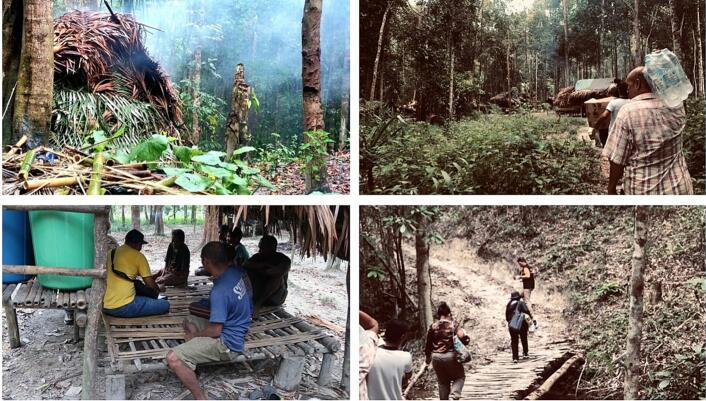
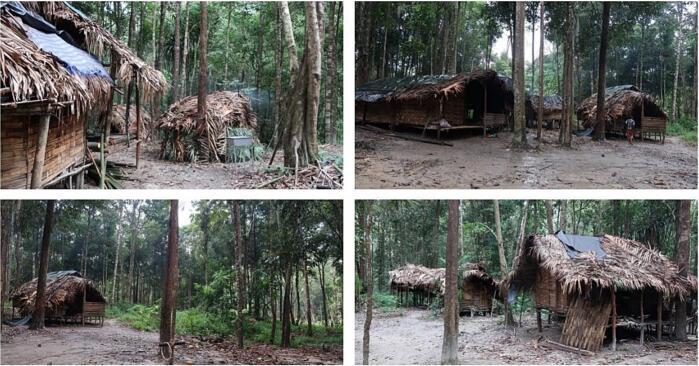
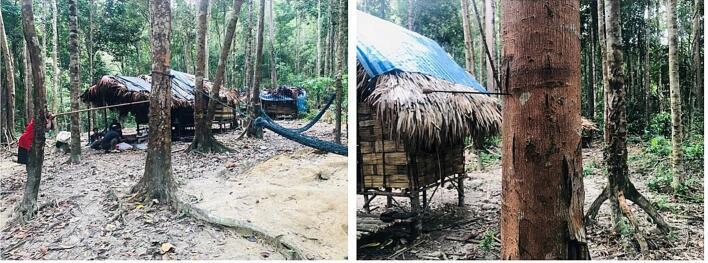
Mani, or Maniq, or Sakai, are recognized as indigenous hunter-gatherers. Some are nomadic, while others have settled and modernized. Our knowledge of this ethnic group's healthcare-seeking and wildlife contact is limited. Thus, this qualitative study examined healthcare practices and wildlife interaction among a cluster of Mani ethnic group members in Manang District, Satun Province, Thailand, from November to December 2022. Four key informant interviews (KIIs) and focus group discussions (FGDs) were carried out, and the selection of the study respondents was based on information from a gatekeeper and local health officials. Coding, thematic, content, and triangulation analyses of audio transcriptions were implemented based on the study objectives. Mani's beliefs and lifestyle are deeply rooted in the forest, which significantly impacts numerous aspects of their lives. They encountered challenges such as food scarcity, legal issues, and access to modern healthcare. However, since obtaining national identification cards, their mobility has decreased. Their way of life has also changed, as they've become more dependent on outsiders. Nevertheless, they continue engaging in traditional practices such as gathering food, hunting in the forest, and treating illnesses with herbal remedies. They rarely develop serious illnesses. They have decided to seek treatment only if their condition persists or worsens. In addition, their knowledge of COVID-19, zoonotic diseases, and emerging animal-borne diseases was limited. In this regard, relevant governments and organizations should improve their health literacy about zoonotic diseases spread by wild animals to promote appropriate wildlife contact practices and reduce the potential risk of infection.
玛尼人、玛尼克人或萨凯人被公认为是原住民狩猎采集者。一些人是游牧民族,而另一些人已经定居并实现了现代化。我们对这个族群寻求医疗保健和与野生动物接触的了解有限。因此,这项定性研究调查了2022年11月至12月期间泰国沙敦府马南格区一群玛尼族成员的医疗保健做法和与野生动物的互动情况。进行了四次关键 informant 访谈(KIIs)和焦点小组讨论(FGDs),研究受访者的选择基于一位守门人和当地卫生官员提供的信息。根据研究目标对音频转录进行了编码、主题、内容和三角分析。玛尼人的信仰和生活方式深深植根于森林,这对他们生活的许多方面产生了重大影响。他们面临着食物短缺、法律问题和获得现代医疗保健等挑战。然而,自获得国民身份证以来,他们的流动性有所下降。他们的生活方式也发生了变化,因为他们变得更加依赖外部人员。尽管如此,他们继续从事传统活动,如采集食物、在森林中狩猎以及用草药治疗疾病。他们很少患重病。只有在病情持续或恶化时,他们才决定寻求治疗。此外,他们对新冠病毒、人畜共患病和新出现的动物传播疾病的了解有限。在这方面,相关政府和组织应提高他们对野生动物传播的人畜共患病的健康素养,以促进适当的与野生动物接触的做法,并降低潜在的感染风险。

 Zotero 插件