
小麦热浪中自噬的基因型特异性激活。
Genotype-Specific Activation of Autophagy during Heat Wave in Wheat.
机构信息
Institute of Biological Chemistry, Washington State University, Pullman, WA 99163, USA.
Department of Crop and Soil Sciences, Washington State University, Pullman, WA 99163, USA.
出版信息
Cells. 2024 Jul 20;13(14):1226. doi: 10.3390/cells13141226.
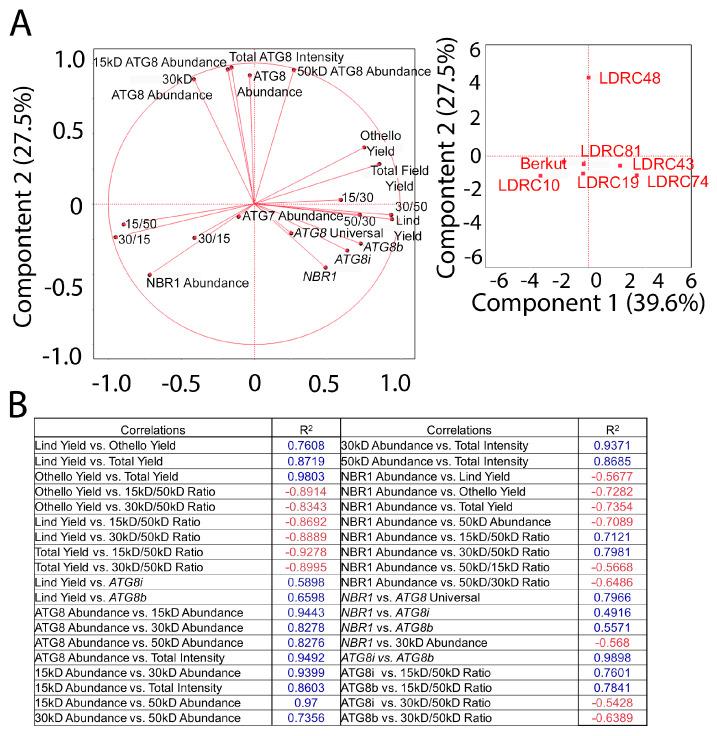
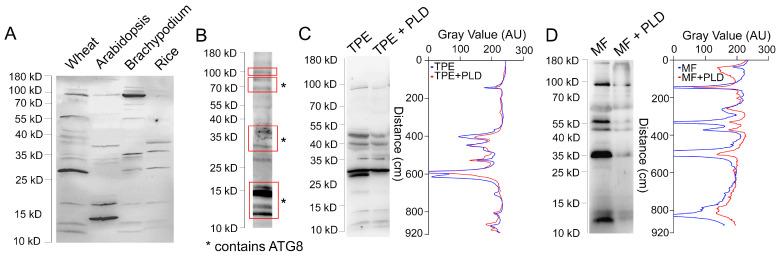
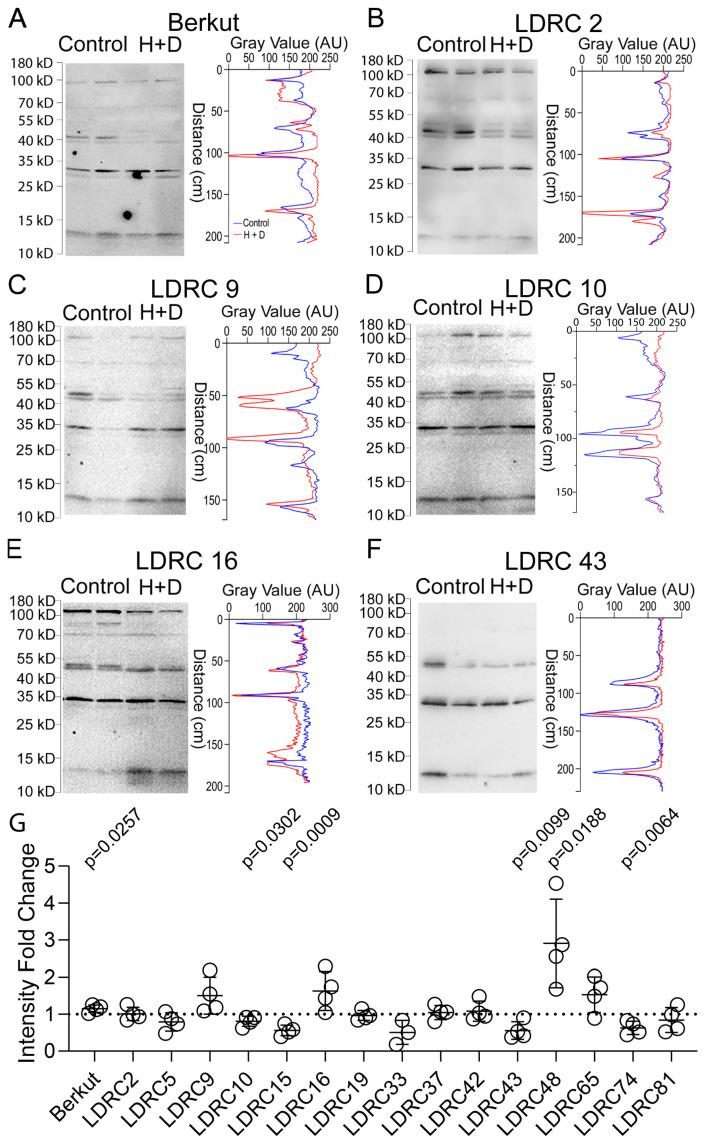
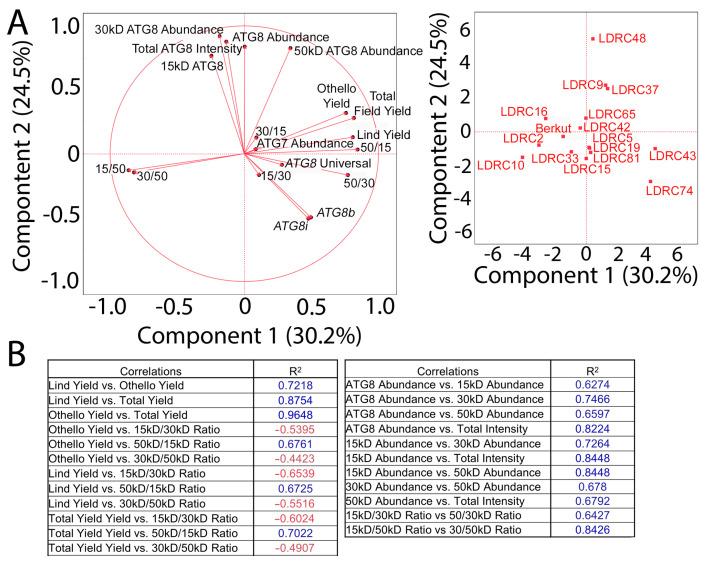
Recycling of unnecessary or dysfunctional cellular structures through autophagy plays a critical role in cellular homeostasis and environmental resilience. Therefore, the autophagy trait may have been unintentionally selected in wheat breeding programs for higher yields in arid climates. This hypothesis was tested by measuring the response of three common autophagy markers, ATG7, ATG8, and NBR1, to a heat wave under reduced soil moisture content in 16 genetically diverse spring wheat landraces originating from different geographical locations. We observed in the greenhouse trials that ATG8 and NBR1 exhibited genotype-specific responses to a 1 h, 40 °C heat wave, while ATG7 did not show a consistent response. Three genotypes from Uruguay, Mozambique, and Afghanistan showed a pattern consistent with higher autophagic activity: decreased or stable abundance of both ATG8 and NBR1 proteins, coupled with increased transcription of and . In contrast, three genotypes from Pakistan, Ethiopia, and Egypt exhibited elevated ATG8 protein levels alongside reduced or unaltered transcript levels, indicating a potential suppression or no change in autophagic activity. Principal component analysis demonstrated a correlation between lower abundance of ATG8 and NBR1 proteins and higher yield in the field trials. We found that (i) the combination of heat and drought activated autophagy only in several genotypes, suggesting that despite being a resilience mechanism, autophagy is a heat-sensitive process; (ii) higher autophagic activity correlates positively with greater yield; (iii) the lack of autophagic activity in some high-yielding genotypes suggests contribution of alternative stress-resilient mechanisms; and (iv) enhanced autophagic activity in response to heat and drought was independently selected by wheat breeding programs in different geographic locations.
通过自噬作用回收不必要或功能失调的细胞结构,在细胞内稳态和环境恢复力方面发挥着关键作用。因此,自噬特性可能在干旱气候下提高小麦产量的小麦育种计划中被无意识地选择。为了验证这一假说,我们在温室试验中测量了三个常见的自噬标记物 ATG7、ATG8 和 NBR1 在减少土壤水分含量下对 16 个遗传多样性的春小麦地方品种的热波的响应。我们观察到,ATG8 和 NBR1 对 1 小时 40°C 的热波表现出基因型特异性响应,而 ATG7 没有表现出一致的响应。来自乌拉圭、莫桑比克和阿富汗的三个基因型表现出与较高自噬活性一致的模式:ATG8 和 NBR1 蛋白的丰度降低或稳定,同时转录增加 。相比之下,来自巴基斯坦、埃塞俄比亚和埃及的三个基因型表现出 ATG8 蛋白水平升高,同时转录减少或不变,表明自噬活性可能受到抑制或没有变化。主成分分析表明,田间试验中 ATG8 和 NBR1 蛋白丰度较低与产量较高之间存在相关性。我们发现:(i)热和干旱的组合仅在几种基因型中激活自噬,这表明尽管自噬是一种恢复力机制,但它是一个对热敏感的过程;(ii)更高的自噬活性与更大的产量呈正相关;(iii)一些高产量基因型中缺乏自噬活性表明存在替代的应激耐受机制;(iv)对热和干旱的响应增强的自噬活性在不同地理位置的小麦育种计划中被独立选择。



 Zotero 插件