
急性 COVID-19 疫苗接种后综合征(PACVS)的临床和诊断特征。
Clinical and Diagnostic Features of Post-Acute COVID-19 Vaccination Syndrome (PACVS).
作者信息
Mundorf Anna Katharina, Semmler Amelie, Heidecke Harald, Schott Matthias, Steffen Falk, Bittner Stefan, Lackner Karl J, Schulze-Bosse Karin, Pawlitzki Marc, Meuth Sven Guenther, Klawonn Frank, Ruhrländer Jana, Boege Fritz
机构信息
Central Institute for Clinical Chemistry and Laboratory Diagnostics, Medical Faculty, University Hospital Düsseldorf, Heinrich-Heine-University, 40225 Düsseldorf, Germany.
CellTrend GmbH, 14943 Luckenwalde, Germany.
出版信息
Vaccines (Basel). 2024 Jul 18;12(7):790. doi: 10.3390/vaccines12070790.
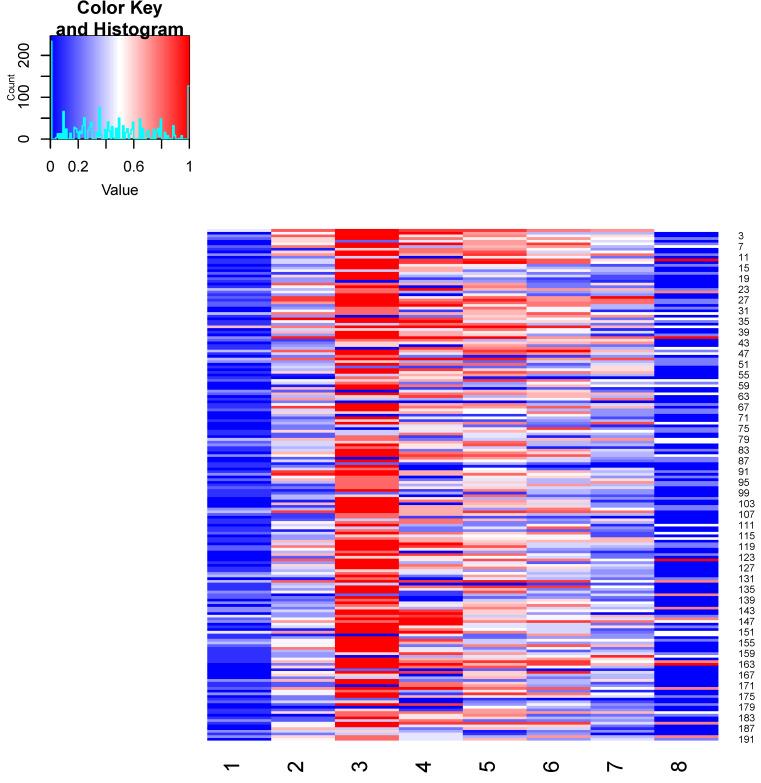
Post-acute COVID-19 vaccination syndrome (PACVS) is a chronic disease triggered by SARS-CoV-2 vaccination (estimated prevalence 0.02%). PACVS is discriminated from the normal post-vaccination state by altered receptor antibodies, most notably angiotensin II type 1 and alpha-2B adrenergic receptor antibodies. Here, we investigate the clinical phenotype using a study registry encompassing 191 PACVS-affected persons (159 females/32 males; median ages: 39/42 years). Unbiased clustering (modified Jaccard index) of reported symptoms revealed a prevalent cross-cohort symptomatology of malaise and chronic fatigue (>80% of cases). Overlapping clusters of (i) peripheral nerve dysfunction, dysesthesia, motor weakness, pain, and vasomotor dysfunction; (ii) cardiovascular impairment; and (iii) cognitive impairment, headache, and visual and acoustic dysfunctions were also frequently represented. Notable abnormalities of standard serum markers encompassing increased interleukins 6 and 8 (>80%), low free tri-iodine thyroxine (>80%), IgG subclass imbalances (>50%), impaired iron storage (>50%), and increased soluble neurofilament light chains (>30%) were not associated with specific symptoms. Based on these data, 131/191 participants fit myalgic encephalomyelitis/chronic fatigue syndrome (ME/CFS) and simultaneously also several other established dysautonomia syndromes. Furthermore, 31/191 participants fit none of these syndromes. In conclusion, PACVS could either be an outlier of ME/CFS or a dysautonomia syndrome sui generis.
急性后新冠疫苗接种综合征(PACVS)是一种由新冠病毒疫苗接种引发的慢性疾病(估计患病率为0.02%)。PACVS通过受体抗体改变与正常接种后状态相区分,最显著的是血管紧张素II 1型和α-2B肾上腺素能受体抗体。在此,我们使用一个包含191名受PACVS影响者(159名女性/32名男性;中位年龄:39/42岁)的研究登记册来调查其临床表型。对报告症状进行无偏聚类(修正杰卡德指数)显示,普遍存在的跨队列症状是不适和慢性疲劳(>80%的病例)。(i)周围神经功能障碍、感觉异常、运动无力、疼痛和血管舒缩功能障碍;(ii)心血管损害;以及(iii)认知损害、头痛、视觉和听觉功能障碍的重叠聚类也经常出现。标准血清标志物的显著异常包括白细胞介素6和8升高(>80%)、游离三碘甲状腺原氨酸降低(>80%)、IgG亚类失衡(>50%)、铁储存受损(>50%)和可溶性神经丝轻链增加(>30%),这些与特定症状无关。基于这些数据,191名参与者中有131名符合肌痛性脑脊髓炎/慢性疲劳综合征(ME/CFS),同时还符合其他几种已确定的自主神经功能障碍综合征。此外,191名参与者中有31名不符合这些综合征中的任何一种。总之,PACVS可能要么是ME/CFS的一个异常类型,要么是一种独特的自主神经功能障碍综合征。


 Zotero 插件