
基于质谱的稳定性蛋白质组学用于功能蛋白质异构体的分析
Toward the analysis of functional proteoforms using mass spectrometry-based stability proteomics.
作者信息
Kang Ji, Seshadri Meena, Cupp-Sutton Kellye A, Wu Si
机构信息
Department of Chemistry and Biochemistry, University of Oklahoma, Norman, OK, United States.
出版信息
Front Anal Sci. 2023;3. doi: 10.3389/frans.2023.1186623. Epub 2023 Jun 21.
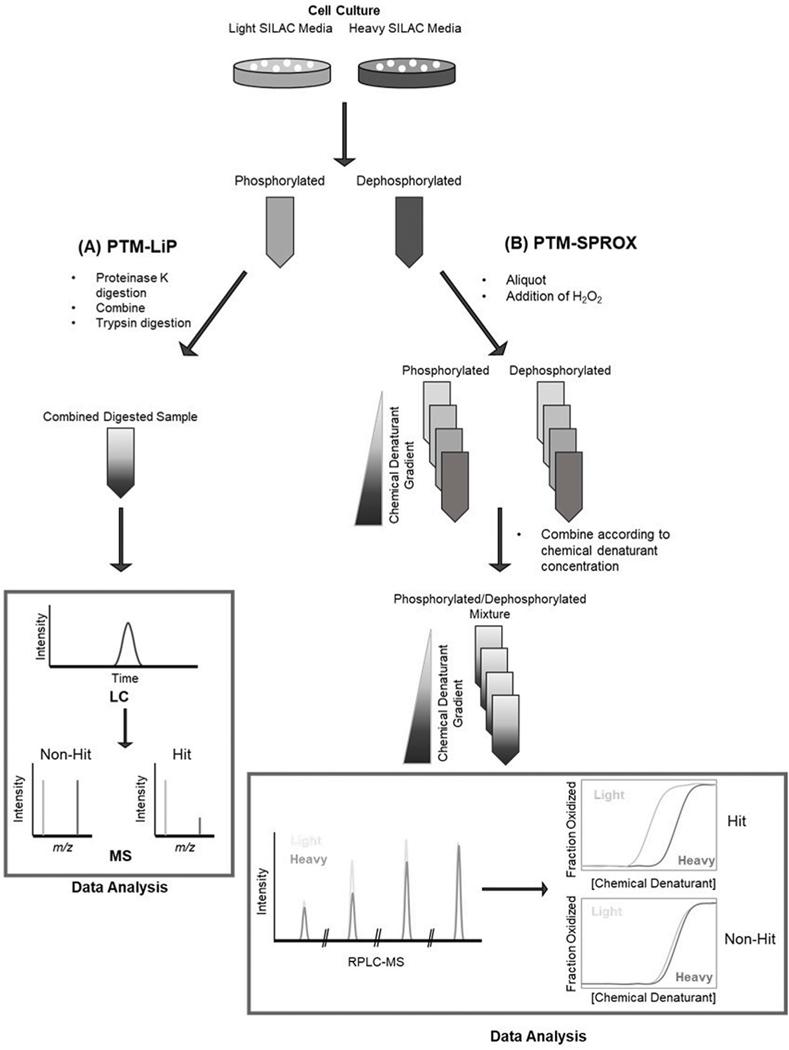
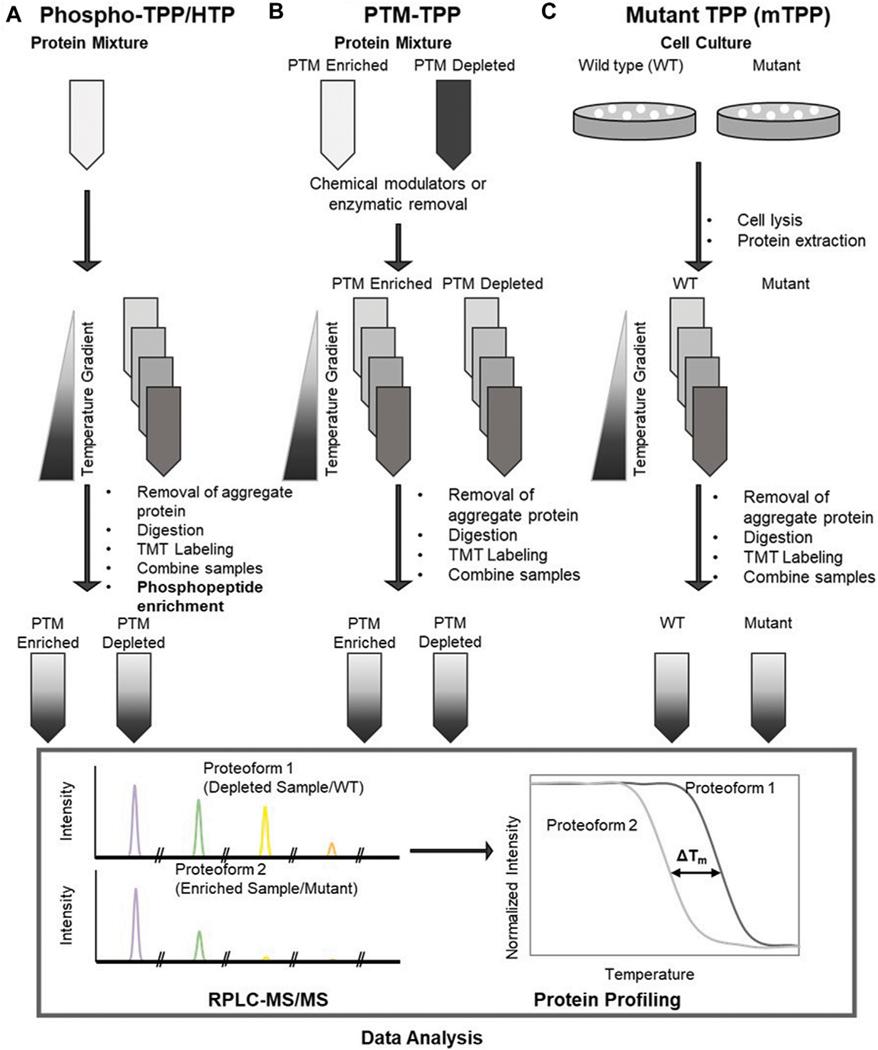
Functional proteomics aims to elucidate biological functions, mechanisms, and pathways of proteins and proteoforms at the molecular level to examine complex cellular systems and disease states. A series of stability proteomics methods have been developed to examine protein functionality by measuring the resistance of a protein to chemical or thermal denaturation or proteolysis. These methods can be applied to measure the thermal stability of thousands of proteins in complex biological samples such as cell lysate, intact cells, tissues, and other biological fluids to measure proteome stability. Stability proteomics methods have been popularly applied to observe stability shifts upon ligand binding for drug target identification. More recently, these methods have been applied to characterize the effect of structural changes in proteins such as those caused by post-translational modifications (PTMs) and mutations, which can affect protein structures or interactions and diversify protein functions. Here, we discussed the current application of a suite of stability proteomics methods, including thermal proteome profiling (TPP), stability of proteomics from rates of oxidation (SPROX), and limited proteolysis (LiP) methods, to observe PTM-induced structural changes on protein stability. We also discuss future perspectives highlighting the integration of top-down mass spectrometry and stability proteomics methods to characterize intact proteoform stability and understand the function of variable protein modifications.
功能蛋白质组学旨在在分子水平上阐明蛋白质和蛋白质变体的生物学功能、机制及途径,以研究复杂的细胞系统和疾病状态。已开发出一系列稳定性蛋白质组学方法,通过测量蛋白质对化学或热变性或蛋白水解的抗性来检测蛋白质功能。这些方法可用于测量复杂生物样品(如细胞裂解物、完整细胞、组织和其他生物体液)中数千种蛋白质的热稳定性,以测定蛋白质组稳定性。稳定性蛋白质组学方法已广泛应用于观察配体结合时的稳定性变化,以识别药物靶点。最近,这些方法已用于表征蛋白质结构变化的影响,如由翻译后修饰(PTM)和突变引起的变化,这些变化可影响蛋白质结构或相互作用,并使蛋白质功能多样化。在此,我们讨论了一系列稳定性蛋白质组学方法的当前应用,包括热蛋白质组分析(TPP)、基于氧化速率的蛋白质组稳定性(SPROX)和有限蛋白酶解(LiP)方法,以观察PTM诱导的蛋白质结构变化对蛋白质稳定性的影响。我们还讨论了未来的展望,强调自上而下的质谱分析与稳定性蛋白质组学方法的整合,以表征完整蛋白质变体的稳定性并了解可变蛋白质修饰的功能。
 Zotero 插件