
阳离子染料在萝卜种子上的吸附:优化、吸附动力学及热力学研究
Adsorption of cationic dye onto Raphanus seeds: optimization, adsorption kinetics, thermodynamic studies.
作者信息
Hammad W A, Darweesh M A, Zouli Nasser, Osman Samir M, Eweida Basant, Amr M H A
机构信息
Faculty of Engineering, Tanta University, Tanta, Egypt.
Department of Chemical Engineering, Faculty of Engineering, Jazan University, Jazan, Saudi Arabia.
出版信息
Sci Rep. 2024 Aug 1;14(1):17827. doi: 10.1038/s41598-024-66761-z.
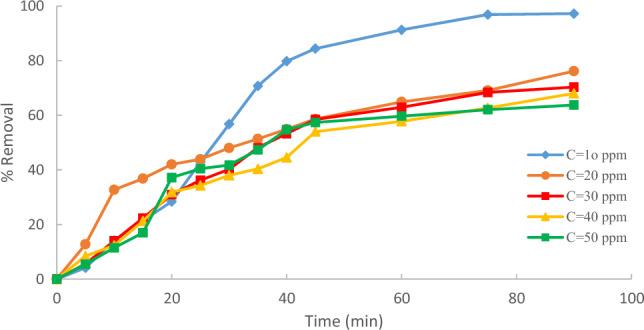
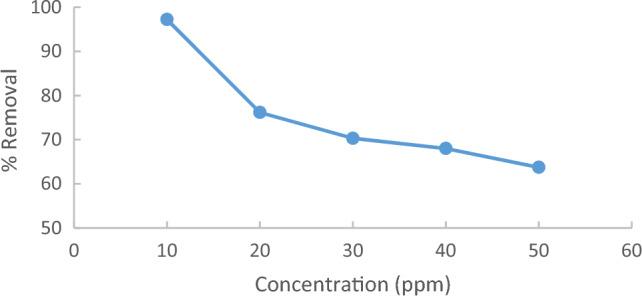
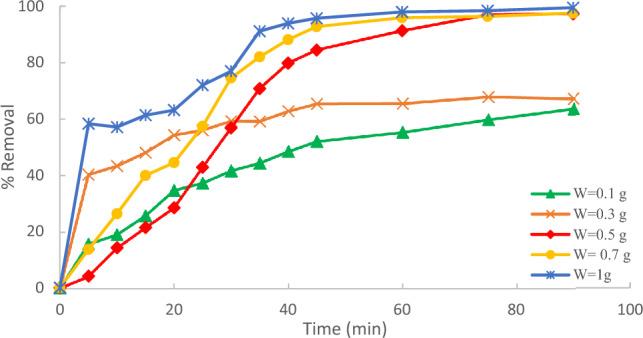
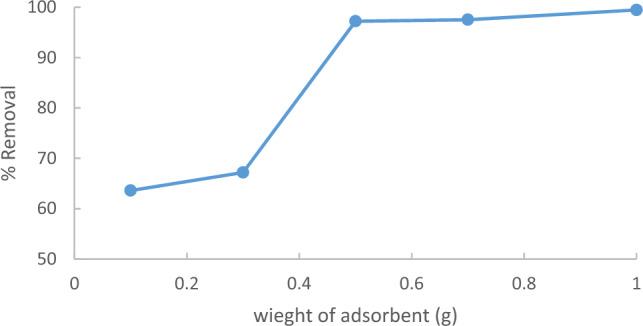
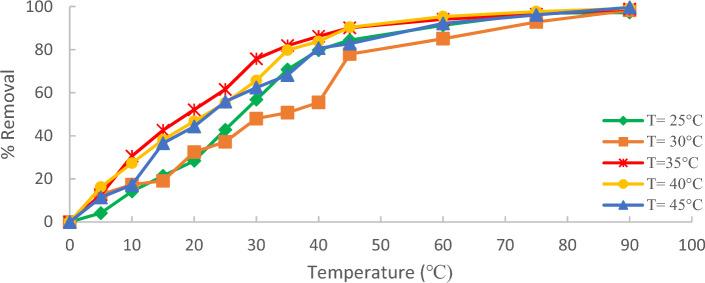
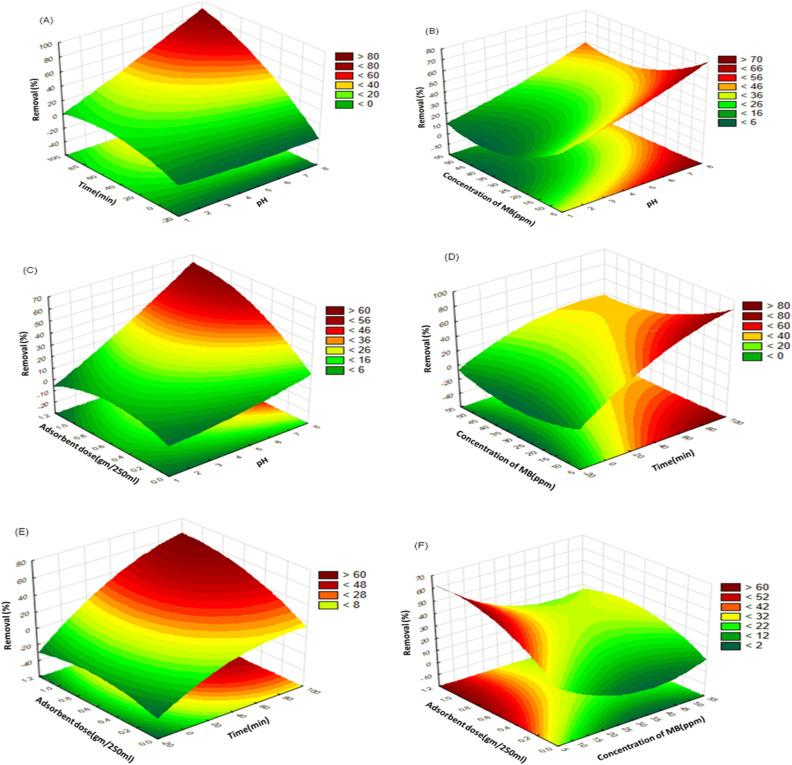
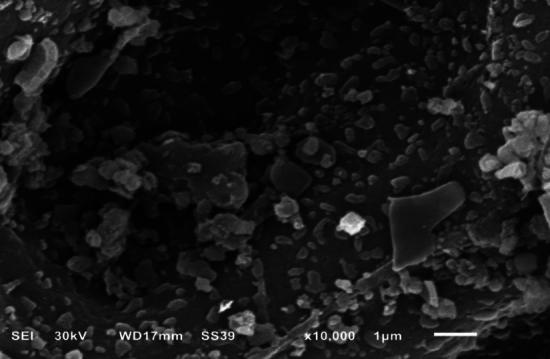
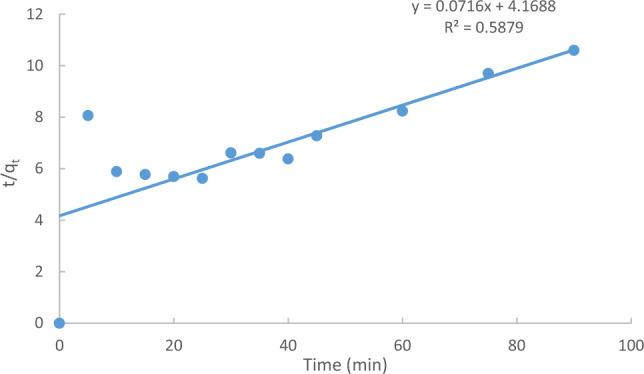
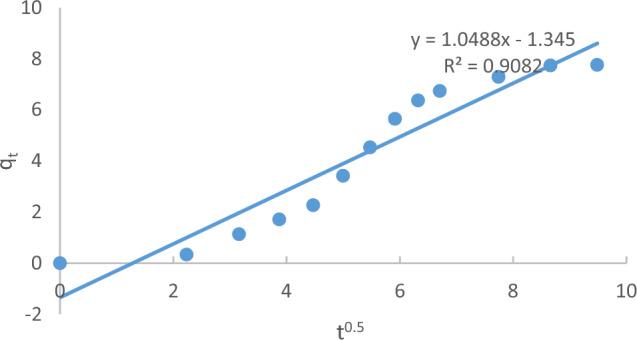
Dyes are one of the common contaminants in industrial wastewater. Adsorption is the most widely method which used to treat dye-contaminated water due to their easy use, cost-effectiveness, and their efficiency was high. The aim of this study is the investigating of the utilization of the activated carbon which prepared from Raphanus seeds solid residual (ACRS) as a low cost adsorbent for removing of cationic Methylene Blue dye (MB)from wastewater. measuring the surface area using BET methods and SEM. The FT‒IR and XRD was measured. Different variables (e.g.: initial concentration of the dye, pH, contact time, and dosage) have been studied. Process has been systematically investigated experimentally at (25 ± 1 °C). The % removal of MB reached 99.4% after 90-min MB adsorption (40 mg/L) was observed within 5 min of contact time for the Raphanus seeds solid residual (ACRS) dosage of 4 g/L. MB initial concentration (10 ppm) Raphanus seeds solid residual (ACRS) effectively adsorbed MB (> 99%) over a widely range of pH (from pH 2 to pH 8). However, a swift decline in removal was observed when the pH was set at 7. The results of the adsorption kinetics analysis indicate a strong correlation with the pseudo-second-order model, as evidenced by the high regression coefficients. However, the adsorption capacity diminished with a rise in temperature. Thermodynamic calculations of (MB) onto Raphanus seeds solid residual (ACRS) is an exothermic reaction. The results have been indicated that the effectiveness of MB removal by activated carbon prepared from Raphanus seeds solid residual is favorable under neutral conditions, Raphanus seeds solid residual (ACRS) can be considered an efficient, environmentally friendly, readily available, and economical adsorbent that could treat industrial wastewater contaminated with cationic textile dyes. The objective of the experiments was to investigate the impact of various factors on the response of a process or formulation. To accomplish this goal, response surface methodology (RSM) has employed as a statistical model. RSM is an efficient and effective method for optimizing processes through the use of a quadratic polynomial model. The utilization of RSM allows for a reduction in the number of experiments needed, thus minimizing the associated costs of extensive analysis. This method has been done using Box-Behnken Design (BBD) to optimize % removal of MB. The optimal conditions as obtained from the RSM is pH 7,contact time 120 min, initial concentration 10 ppm, ACRS dosage 1 g, adsorption temperature 45 °C.
染料是工业废水中常见的污染物之一。吸附是处理染料污染水最广泛使用的方法,因为其使用方便、成本效益高且效率高。本研究的目的是研究由萝卜籽固体残渣制备的活性炭(ACRS)作为低成本吸附剂从废水中去除阳离子亚甲基蓝染料(MB)的应用。使用BET方法和扫描电子显微镜测量表面积。测量了傅里叶变换红外光谱(FT-IR)和X射线衍射(XRD)。研究了不同变量(如:染料初始浓度、pH值、接触时间和用量)。在(25±1°C)下对该过程进行了系统的实验研究。对于4 g/L的萝卜籽固体残渣(ACRS)用量,在接触时间5分钟内观察到,90分钟的MB吸附(40 mg/L)后,MB的去除率达到99.4%。MB初始浓度为10 ppm时,萝卜籽固体残渣(ACRS)在广泛的pH范围(从pH 2到pH 8)内有效吸附MB(>99%)。然而,当pH值设定为7时,去除率迅速下降。吸附动力学分析结果表明与准二级模型有很强的相关性,高回归系数证明了这一点。然而,吸附容量随着温度的升高而降低。对萝卜籽固体残渣(ACRS)上MB的热力学计算是一个放热反应。结果表明,由萝卜籽固体残渣制备的活性炭在中性条件下去除MB的效果良好,萝卜籽固体残渣(ACRS)可被认为是一种高效、环保、易于获得且经济的吸附剂,可处理受阳离子纺织染料污染的工业废水。实验的目的是研究各种因素对过程或配方响应的影响。为了实现这一目标,采用了响应面方法(RSM)作为统计模型。RSM是一种通过使用二次多项式模型优化过程的高效方法。使用RSM可以减少所需的实验次数,从而将广泛分析的相关成本降至最低。该方法使用Box-Behnken设计(BBD)来优化MB的去除率。从RSM获得的最佳条件是pH值为7、接触时间为120分钟、初始浓度为10 ppm、ACRS用量为1 g、吸附温度为45°C。








 Zotero 插件