
利用废铝电解合成γ-AlO纳米颗粒用于增强亚甲基蓝吸附:实验与响应面法建模
Electrolytic synthesis of γ-AlO nanoparticle from aluminum scrap for enhanced methylene blue adsorption: experimental and RSM modeling.
作者信息
Bekele Endrias Adane, Korsa Hailemariam Assefa, Desalegn Yiene Molla
机构信息
Faculty of Materials Science and Engineering, Jimma Institute of Technology, Jimma University, Jimma, Ethiopia.
Department of Mechanical Engineering, School of Mechanical and Chemical Engineering, Woldia Institute of Technology, Woldia University, Woldia, Ethiopia.
出版信息
Sci Rep. 2024 Jul 23;14(1):16957. doi: 10.1038/s41598-024-67656-9.
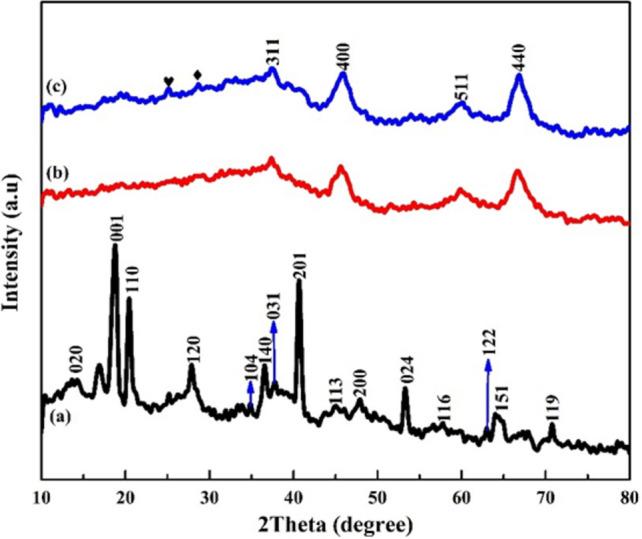
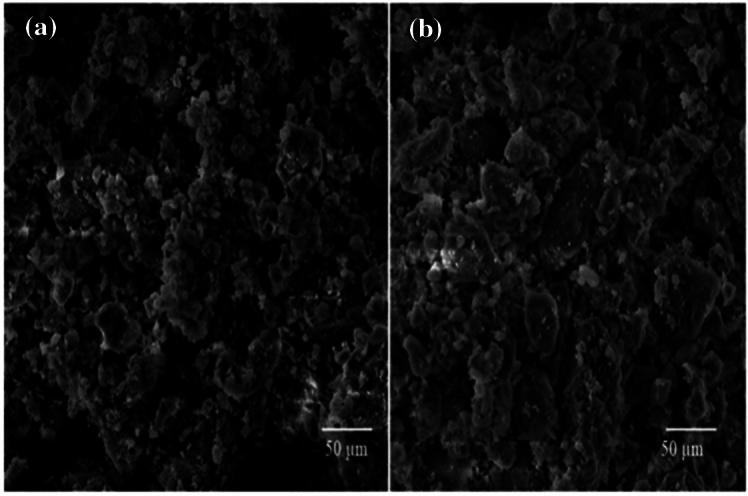
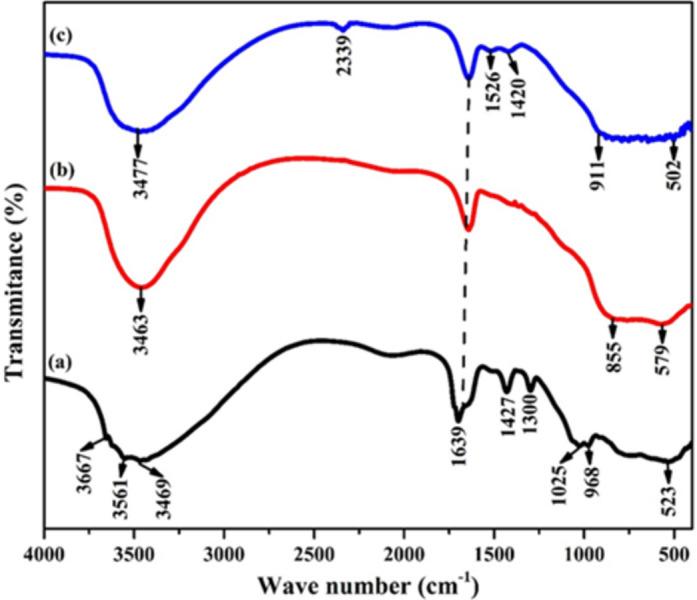
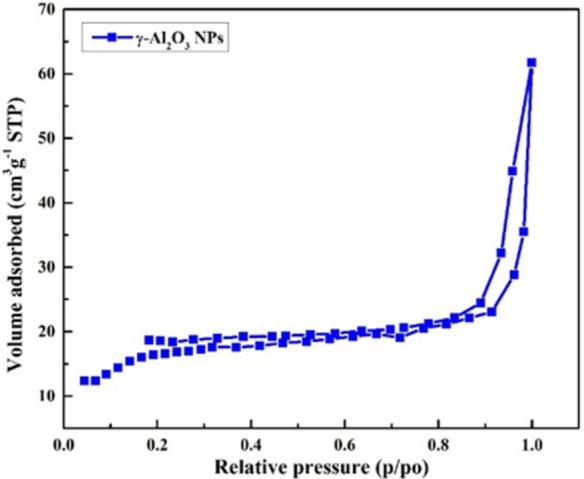
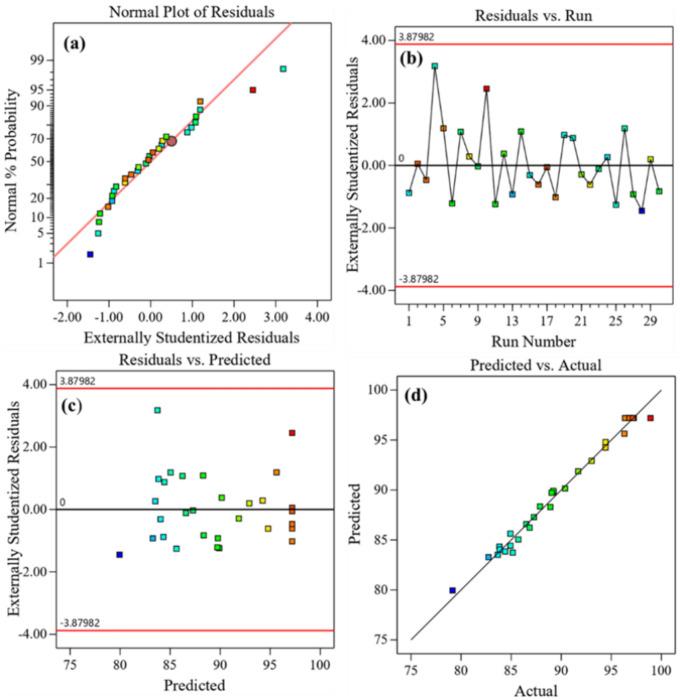
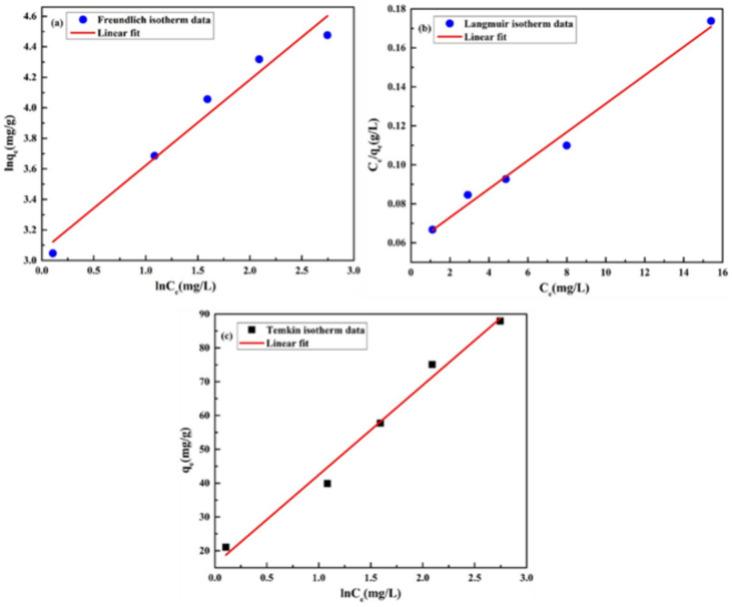
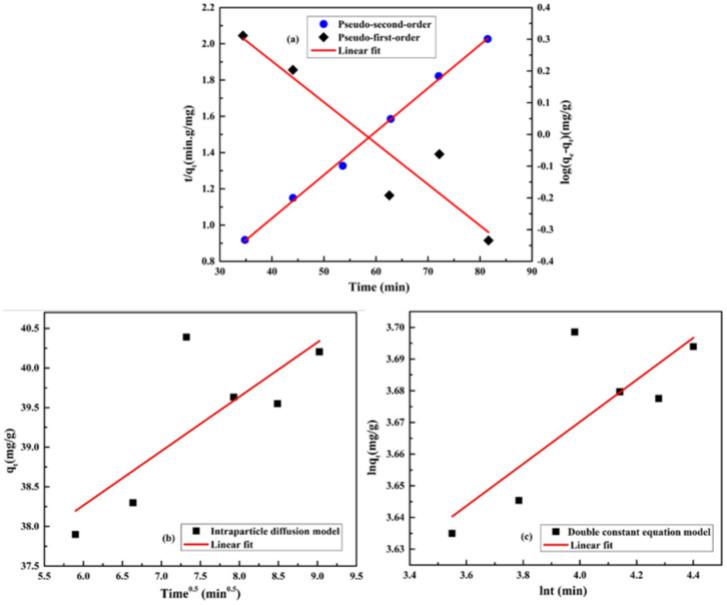
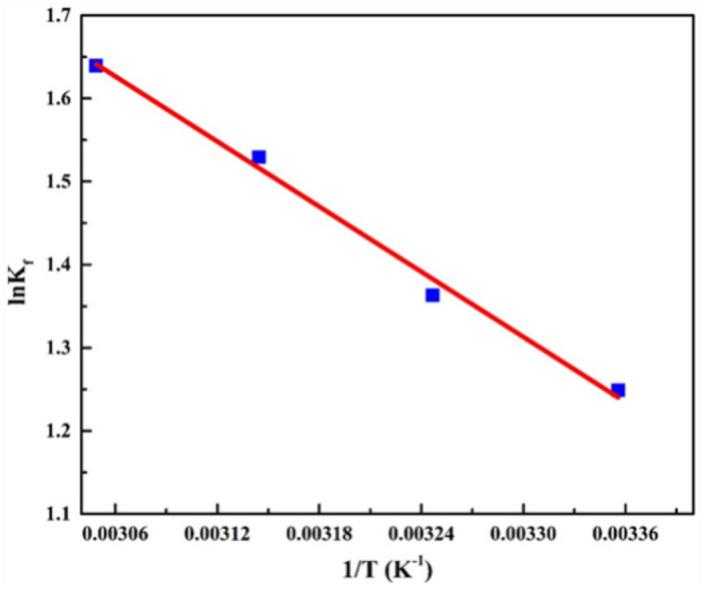
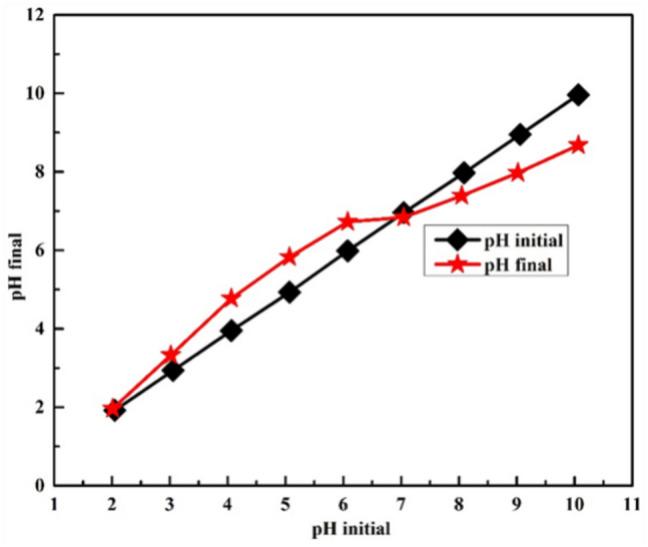
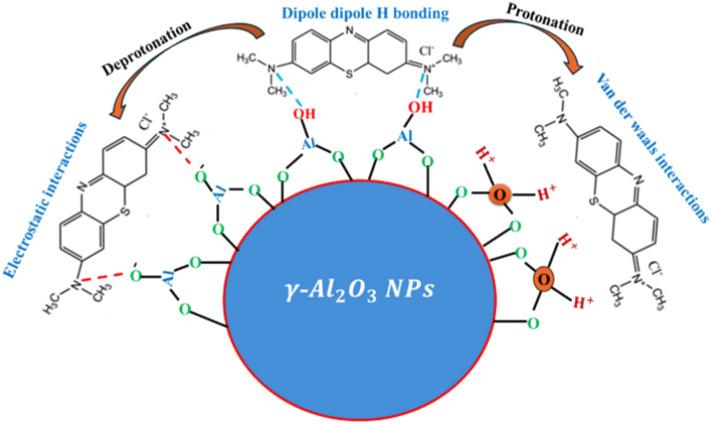
The presence of methylene blue (MB) dye in wastewater has raised concern about human health and environmental ecology due to potential carcinogenic, and mutagenic effects. Therefore, this work aims to remove MB dye from wastewater using γ-AlO nanoparticles synthesized from aluminum scrap via simple electrolytic method. The successful synthesis of the adsorbent was confirmed by a range of spectroscopy and microscopy techniques, including XRD, SEM, FTIR, and BET. The central composite design (CCD) of the response surface methodology (RSM) method was used to optimize the processing parameters such as solution pH, contact time, initial MB concentration, and adsorbent dose. The ANOVA results clearly shows that the quadratic model (p < 0.0001) was sufficient to the best predicting of the removal performance of MB dye (R = 0.9862). The optimum condition for the maximum MB dye removal (98.91%) was achieved at solution pH of 8.298, initial MB concentration of 31.657 mg/L, adsorbent dose of 0.387 g/L, and contact time of 46.728 min. Nano-γ-AlO was shown to have a good surface area of 59 mg/g by BET analysis. The adsorption kinetics follows the pseudo-second-order model (R = 0.997). With a maximum adsorption capacity of 137.17 mg/g, the Langmuir isotherm model (R = 984) provides the best fit to the adsorption isotherm data, indicating a monolayer adsorption process. Furthermore, thermodynamic analysis demonstrated that the adsorption of MB dye was an endothermic and spontaneous process. The reusability study showed that γ-AlO nano-adsorbent retained 85.08% of its original removal efficiency after five cycles. According to the findings of the study, MB dye molecules were taken up by γ-AlO nano-adsorbent via hydrogen bond formation, Van der Waals interaction, and electrostatic attraction. Therefore, γ-AlO nanoparticles can be used as a potentially eco-friendly and low-cost adsorbent for the removal of MB dye from aqueous solutions.
废水中亚甲基蓝(MB)染料的存在因其潜在的致癌和致突变作用而引发了对人类健康和环境生态的关注。因此,本研究旨在利用通过简单电解法从废铝中合成的γ-AlO纳米颗粒去除废水中的MB染料。通过一系列光谱和显微镜技术(包括XRD、SEM、FTIR和BET)证实了吸附剂的成功合成。采用响应面法(RSM)的中心复合设计(CCD)来优化处理参数,如溶液pH值、接触时间、初始MB浓度和吸附剂剂量。方差分析结果清楚地表明,二次模型(p < 0.0001)足以最佳预测MB染料的去除性能(R = 0.9862)。在溶液pH值为8.298、初始MB浓度为31.657 mg/L、吸附剂剂量为0.387 g/L和接触时间为46.728分钟的条件下,实现了MB染料最大去除率(98.91%)。通过BET分析表明,纳米γ-AlO具有59 mg/g的良好比表面积。吸附动力学符合准二级模型(R = 0.997)。Langmuir等温线模型(R = 984)对吸附等温线数据的拟合效果最佳,最大吸附容量为137.17 mg/g,表明为单层吸附过程。此外,热力学分析表明,MB染料的吸附是一个吸热且自发的过程。可重复使用性研究表明,γ-AlO纳米吸附剂在五个循环后仍保留其原始去除效率的85.08%。根据研究结果,MB染料分子通过氢键形成、范德华相互作用和静电吸引被γ-AlO纳米吸附剂吸收。因此,γ-AlO纳米颗粒可用作一种潜在的环保且低成本的吸附剂,用于从水溶液中去除MB染料。



 Zotero 插件