
乙型肝炎病毒相关肝脏恶性肿瘤的分子和遗传信号作为诊断和治疗靶点的最新进展。
Current updates on the molecular and genetic signals as diagnostic and therapeutic targets for hepatitis B virus-associated hepatic malignancy.
作者信息
Adugna Adane, Muche Yalew, Melkamu Abateneh, Jemal Mohammed, Belew Habtamu, Amare Gashaw Azanaw
机构信息
Medical Laboratory Sciences, College of Health Sciences, Debre Markos University, Debre Markos, Ethiopia.
Department of Biomedical Sciences, School of Medicine, College of Health Sciences, Debre Markos University, Debre Markos, Ethiopia.
出版信息
Heliyon. 2024 Jul 8;10(14):e34288. doi: 10.1016/j.heliyon.2024.e34288. eCollection 2024 Jul 30.
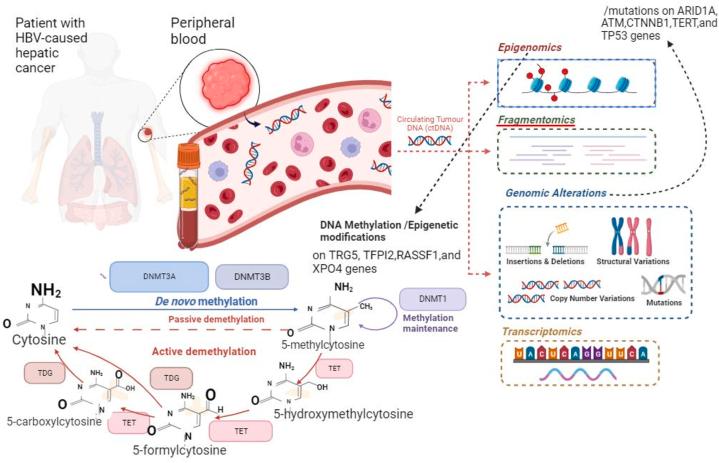
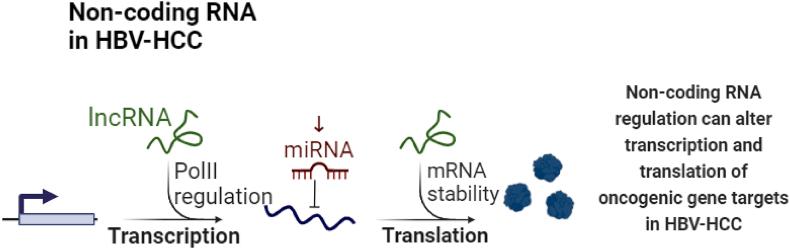
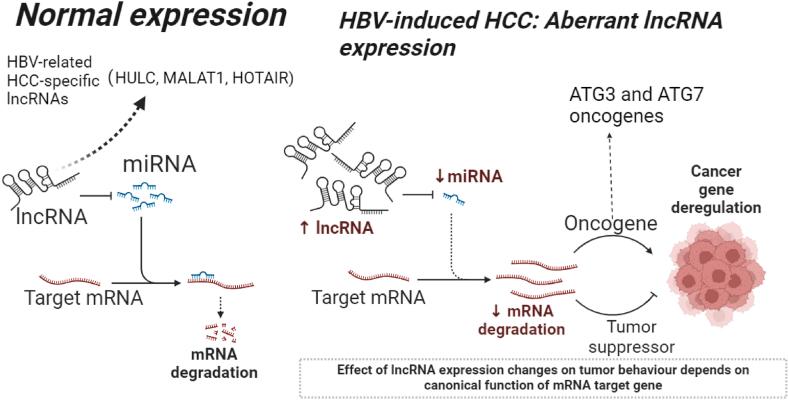
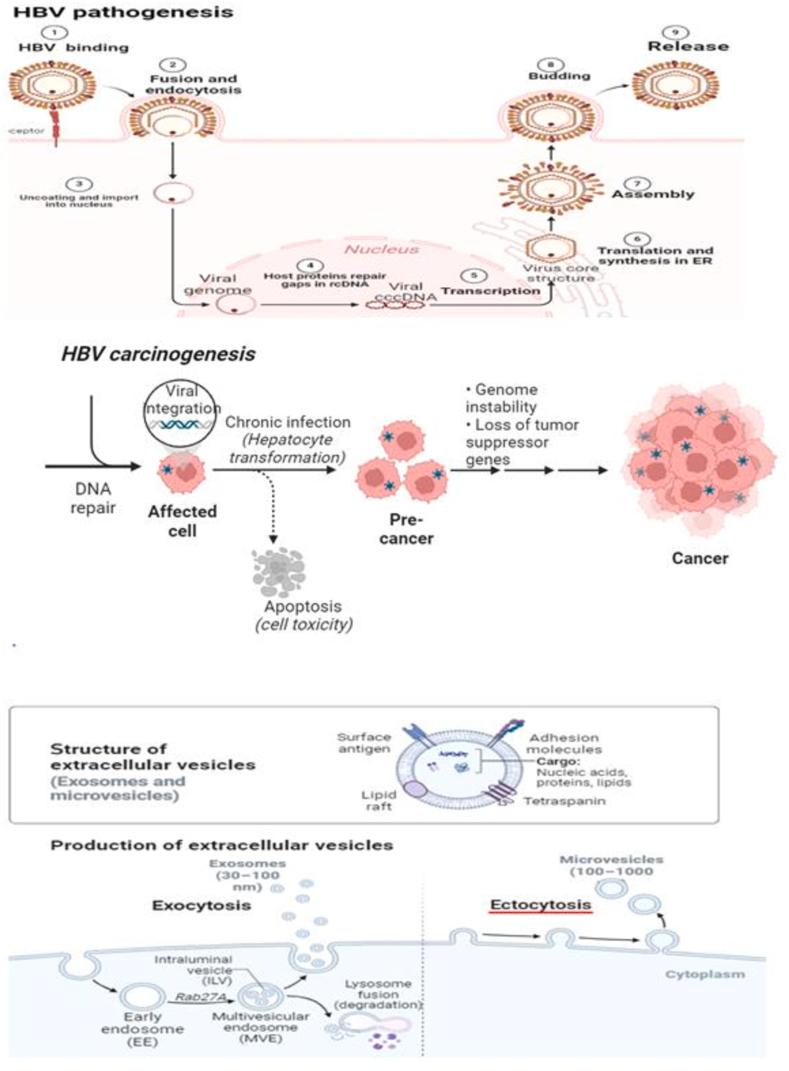
Liver cancer caused by the hepatitis B virus (HBV) is the third most common cancer-related cause of death worldwide. Early detection of HBV-caused hepatic tumors increases the likelihood of a successful cure. Molecular and genetic signals are becoming more and more recognized as possible indicators of HBV-associated hepatic malignancy and of how well a treatment is working. As a result, we have discussed the current literature on molecular and genetic sensors, including extracellular vesicle microRNAs (EV-miRNAs), long non-coding circulating RNAs (lncRNAs), extracellular vesicles (EVs), and cell free circulating DNA (cfDNA), for the diagnosis and forecasting of HBV-related hepatic cancer. Extracellular vesicle microRNAs such as miR-335-5p, miR-172-5p, miR-1285-5p, miR-497-5p, miR-636, miR-187-5p, miR-223-3p, miR-21, miR-324-3p, miR-210-3p, miR-718, miR-122, miR-522, miR-0308-3p, and miR-375 are essential for the posttranscriptional regulation of oncogenes in hepatic cells as well as the epigenetic modulation of many internal and external signaling pathways in HBV-induced hepatic carcinogenesis. LncRNAs like lnc01977, HULC (highly up-regulated in liver cancer), MALAT1 (metastasis-associated lung adenocarcinoma transcript 1), and HOTAIR (hox transcript antisense intergenic RNA) have been demonstrated to control hepatic-tumors cell growth, relocation, encroachment, and cell death resiliency. They are also becoming more and more involved in immune tracking, hepatic shifting, vasculature oversight, and genomic destabilization. EVs are critical mediators involved in multiple aspects of liver-tumors like angiogenesis, immunology, tumor formation, and the dissemination of malignant hepatocytes. Furthermore, cfDNA contributes to signals associated with tumors, including mutations and abnormal epigenetic changes during HBV-related hepatic tumorigenesis.
由乙型肝炎病毒(HBV)引起的肝癌是全球第三大常见的癌症相关死因。早期检测HBV引起的肝肿瘤可提高成功治愈的可能性。分子和遗传信号越来越被认为是HBV相关肝恶性肿瘤以及治疗效果的可能指标。因此,我们讨论了当前关于分子和遗传传感器的文献,包括细胞外囊泡微小RNA(EV-miRNAs)、长链非编码循环RNA(lncRNAs)、细胞外囊泡(EVs)和游离循环DNA(cfDNA),用于HBV相关肝癌的诊断和预测。细胞外囊泡微小RNA,如miR-335-5p、miR-172-5p、miR-1285-5p、miR-497-5p、miR-636、miR-187-5p、miR-223-3p、miR-21、miR-324-3p、miR-210-3p、miR-718、miR-122、miR-522、miR-0308-3p和miR-375,对于肝细胞中癌基因的转录后调控以及HBV诱导的肝癌发生过程中许多内部和外部信号通路的表观遗传调控至关重要。lncRNAs,如lnc01977、HULC(肝癌中高度上调)、MALAT1(转移相关肺腺癌转录本1)和HOTAIR(hox转录本反义基因间RNA),已被证明可控制肝肿瘤细胞的生长、迁移、侵袭和细胞死亡抗性。它们也越来越多地参与免疫追踪、肝转移、血管系统监测和基因组不稳定。EVs是参与肝肿瘤多个方面的关键介质,如血管生成、免疫学、肿瘤形成和恶性肝细胞的扩散。此外,cfDNA有助于产生与肿瘤相关的信号,包括HBV相关肝肿瘤发生过程中的突变和异常表观遗传变化。
 Zotero 插件