
一种针对 V-ATPase c 亚基的纳米体抑制了 4T1-12B 乳腺癌细胞向肺部的转移。
A nanobody against the V-ATPase c subunit inhibits metastasis of 4T1-12B breast tumor cells to lung in mice.
机构信息
Program in Pharmacology and Drug Development, Graduate School of Biomedical Sciences, Tufts University, Boston, MA 02111, USA.
Department of Cancer Immunology and Virology, Dana Farber Cancer Institute, Harvard Medical School, Boston, MA 02215, USA.
出版信息
Oncotarget. 2024 Aug 14;15:575-587. doi: 10.18632/oncotarget.28638.
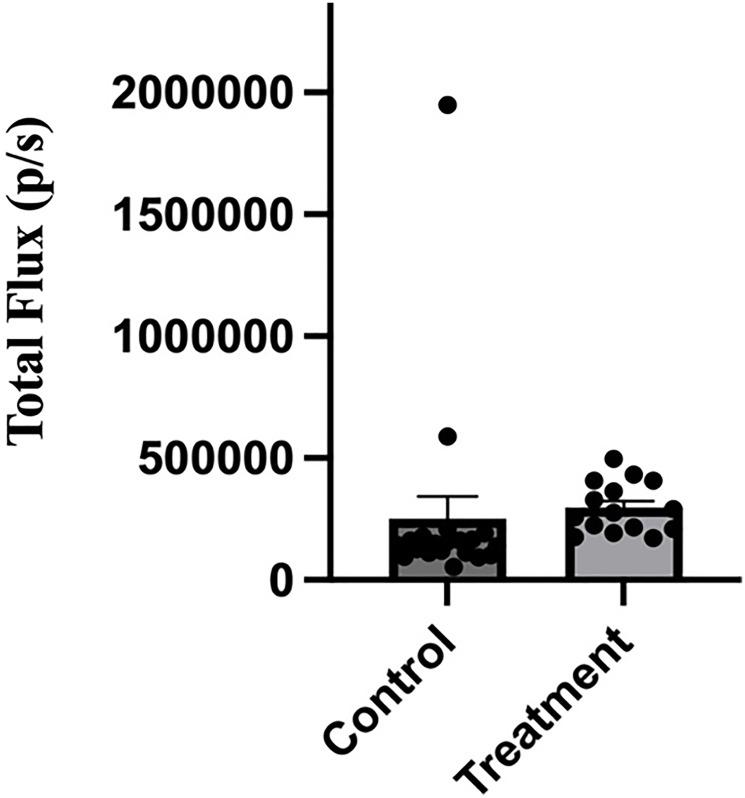
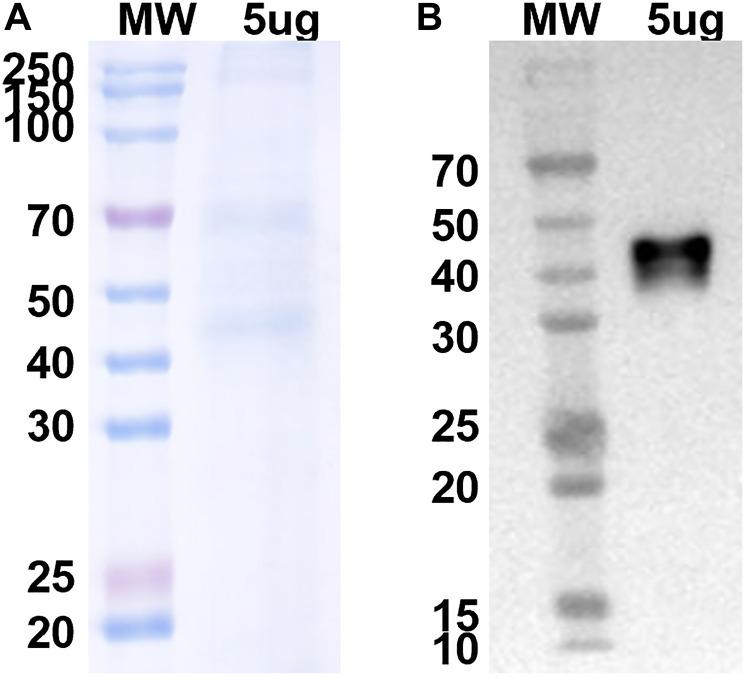
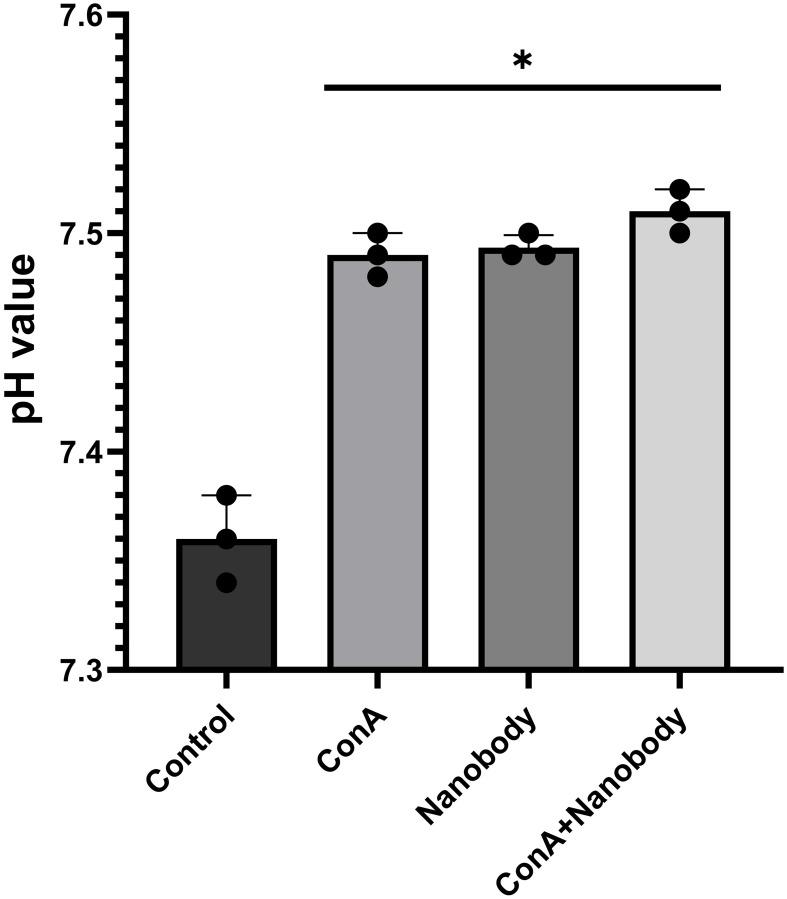
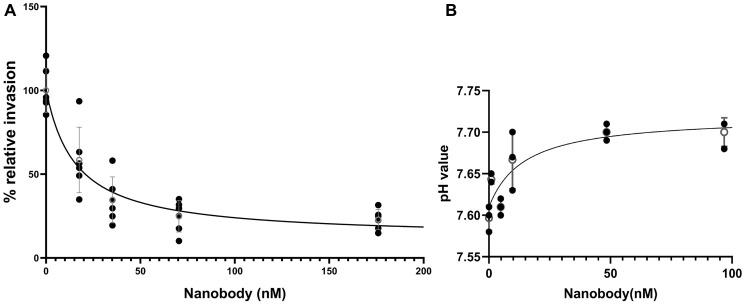
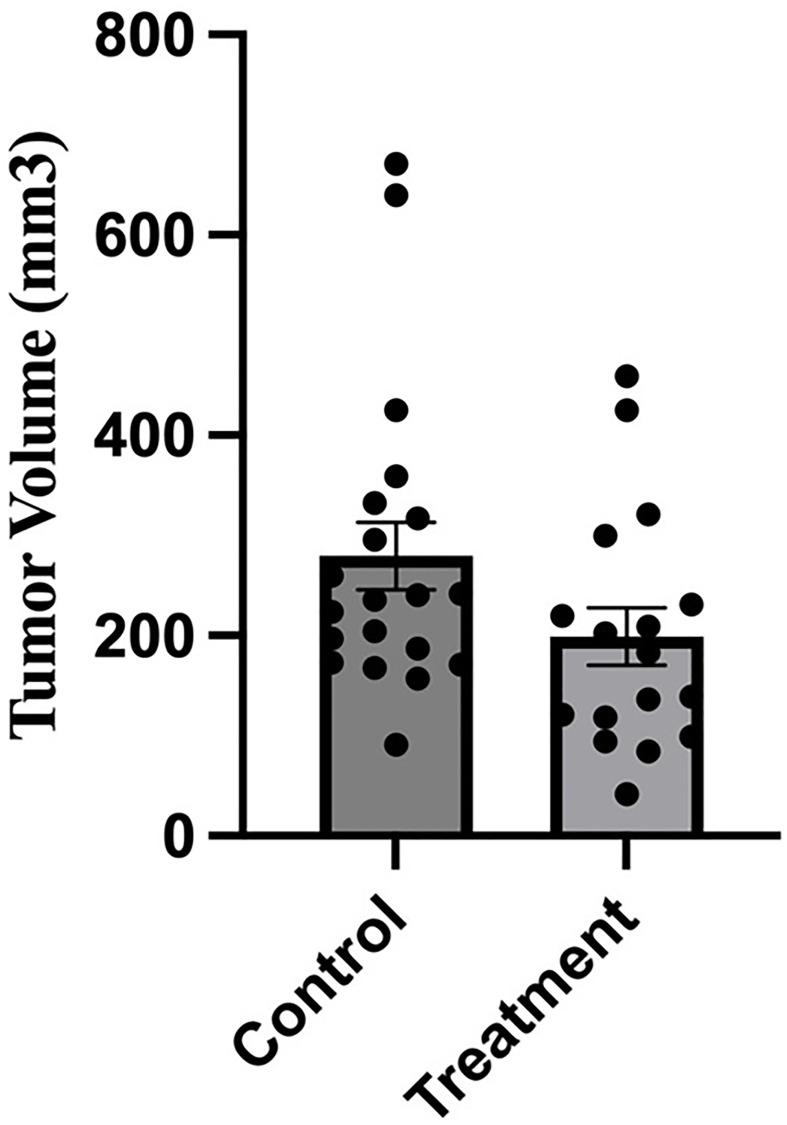
The vacuolar H-ATPase (V-ATPase) is an ATP-dependent proton pump that functions to control the pH of intracellular compartments as well as to transport protons across the plasma membrane of various cell types, including cancer cells. We have previously shown that selective inhibition of plasma membrane V-ATPases in breast tumor cells inhibits the invasion of these cells . We have now developed a nanobody directed against an extracellular epitope of the mouse V-ATPase c subunit. We show that treatment of 4T1-12B mouse breast cancer cells with this nanobody inhibits V-ATPase-dependent acidification of the media and invasion of these cells . We further find that injection of this nanobody into mice implanted with 4T1-12B cells orthotopically in the mammary fat pad inhibits metastasis of tumor cells to lung. These results suggest that plasma membrane V-ATPases represent a novel therapeutic target to limit breast cancer metastasis.
液泡型 H+-ATP 酶(V-ATPase)是一种依赖于 ATP 的质子泵,其功能是控制细胞内区室的 pH 值,并将质子跨各种细胞类型的质膜运输,包括癌细胞。我们之前已经表明,选择性抑制乳腺癌细胞的质膜 V-ATPases 会抑制这些细胞的侵袭。我们现在已经开发出一种针对小鼠 V-ATPase c 亚基细胞外表位的纳米抗体。我们发现,用这种纳米抗体处理 4T1-12B 小鼠乳腺癌细胞会抑制这些细胞中 V-ATPase 依赖性酸化和侵袭。我们进一步发现,将这种纳米抗体注射到原位植入乳腺脂肪垫中的 4T1-12B 细胞的小鼠体内,可抑制肿瘤细胞向肺部转移。这些结果表明,质膜 V-ATPases 是限制乳腺癌转移的一个新的治疗靶点。

 Zotero 插件