
纳诺斯卡品通过靶向 GLI1 和 BAX 抑制前列腺腺癌进展。
Targeting GLI1 and BAX by nanonoscapine could impede prostate adenocarcinoma progression.
机构信息
Department of Microbiology and Microbial Biotechnology, Faculty of Life Science and Biotechnology, Shahid Beheshti University, Tehran, Iran.
Department of Developmental Biology, Kharazmi University, Tehran, Iran.
出版信息
Sci Rep. 2024 Aug 16;14(1):18977. doi: 10.1038/s41598-024-65968-4.
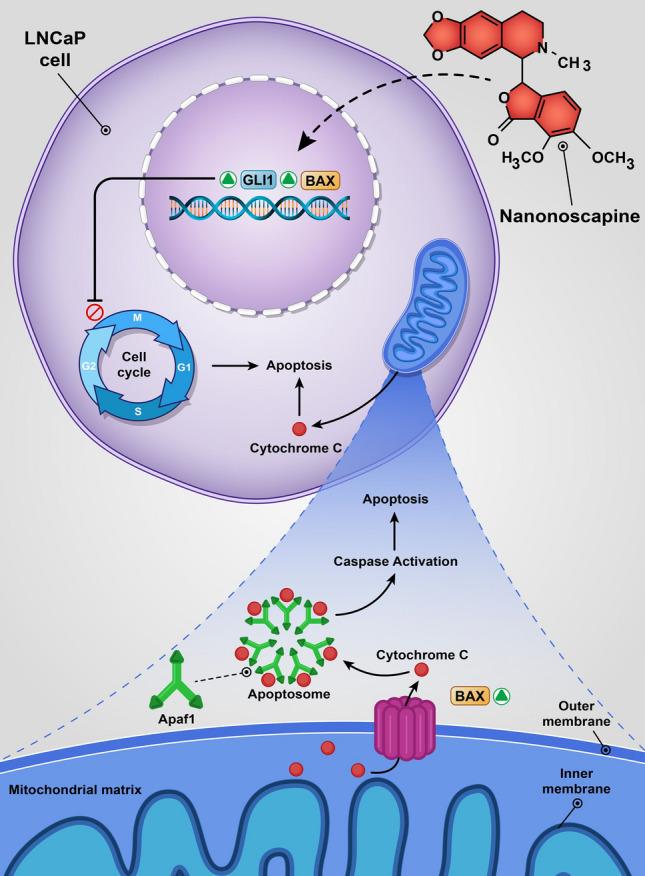
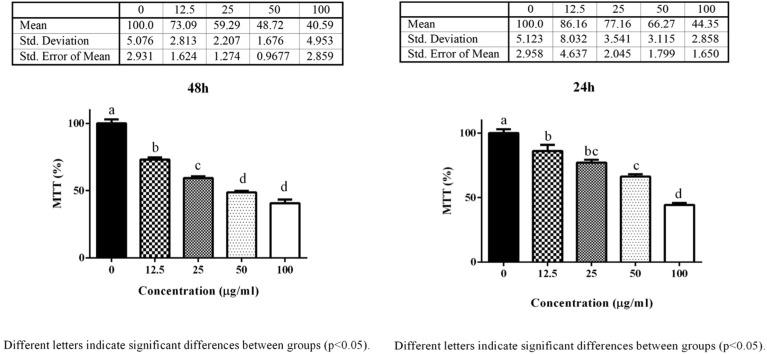
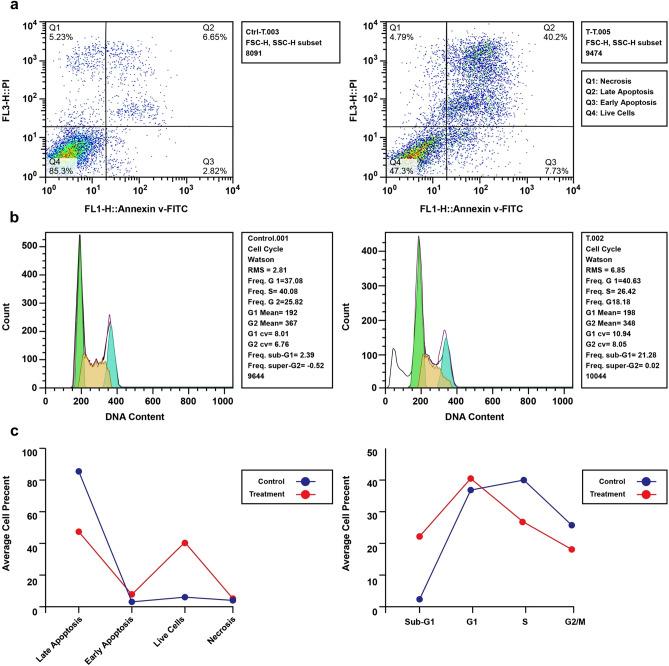
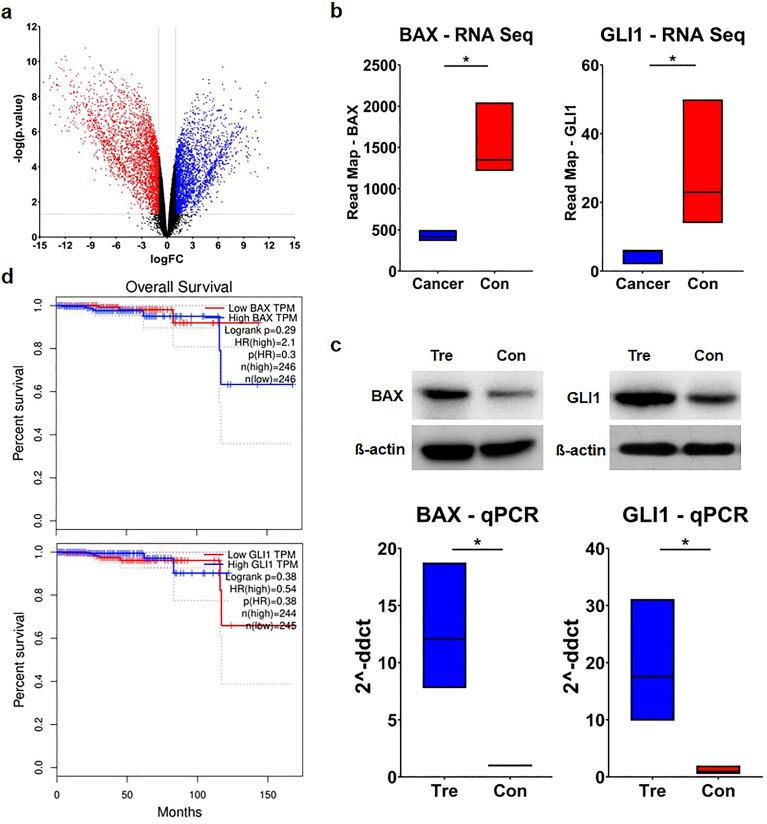
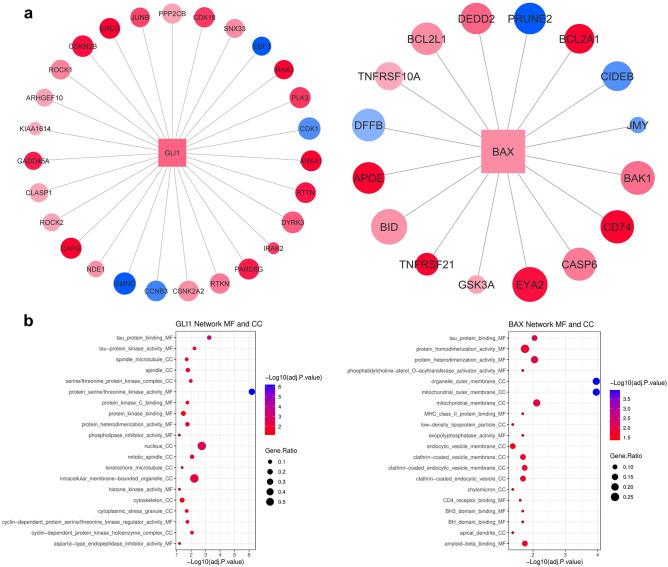
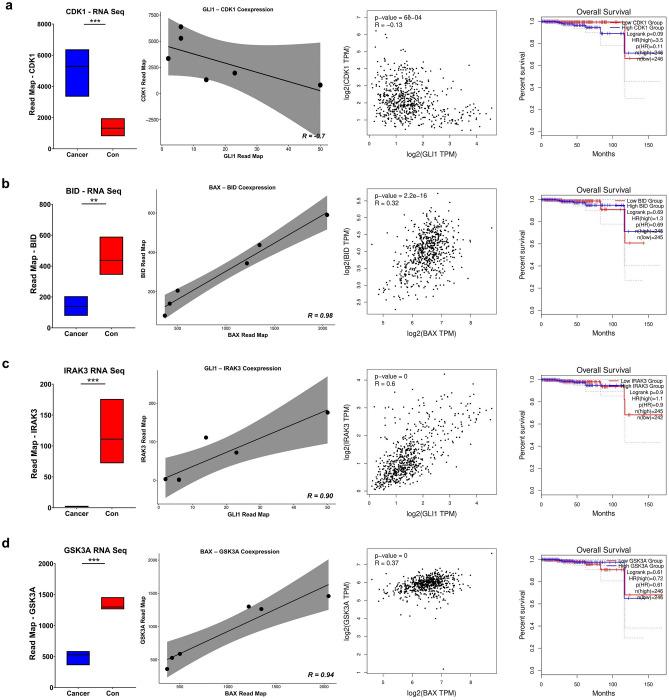
Prostate cancer as a critical global health issue, requires the exploration of a novel therapeutic approach. Noscapine, an opium-derived phthalide isoquinoline alkaloid, has shown promise in cancer treatment thanks to its anti-tumorigenic properties. However, limitations such as low bioavailability and potential side effects have hindered its clinical application. This study introduces nanonoscapine as a novel medication to overcome these challenges, leveraging the advantages of improved drug delivery and efficacy achieved in nanotechnology. We monitored the effects of nanonoscapine on the androgen-sensitive human prostate adenocarcinoma cell line, LNCaP, investigating its impact on GLI1 and BAX genes' expressions, crucial regulators of cell cycle and apoptosis. Our findings, from MTT assays, flow cytometry, and gene expression analyses, have demonstrated that nanonoscapine effectively inhibits prostate cancer cell proliferation by inducing G2/M phase arrest and apoptosis. Furthermore, through bioinformatics and computational analyses, we have revealed the underlying molecular mechanisms, underscoring the therapeutic potential of nanonoscapine in enhancing patient outcomes. This study highlights the significance of nanonoscapine as an alternative or adjunct treatment to conventional chemotherapy, warranting further investigation in clinical settings.
前列腺癌作为一个全球性的健康问题,需要探索新的治疗方法。北美黄连碱是一种源自鸦片的苯酞异喹啉生物碱,由于其抗肿瘤特性,在癌症治疗方面显示出了前景。然而,低生物利用度和潜在的副作用等限制因素阻碍了它的临床应用。本研究引入了纳米北美黄连碱作为一种新型药物,利用纳米技术在药物传递和疗效方面的优势来克服这些挑战。我们监测了纳米北美黄连碱对雄激素敏感的人前列腺腺癌细胞系 LNCaP 的影响,研究了它对 GLI1 和 BAX 基因表达的影响,这两个基因是细胞周期和细胞凋亡的关键调节因子。我们的 MTT 检测、流式细胞术和基因表达分析结果表明,纳米北美黄连碱通过诱导 G2/M 期阻滞和细胞凋亡有效地抑制了前列腺癌细胞的增殖。此外,通过生物信息学和计算分析,我们揭示了潜在的分子机制,强调了纳米北美黄连碱在提高患者治疗效果方面的治疗潜力。本研究强调了纳米北美黄连碱作为传统化疗的替代或辅助治疗的重要性,值得在临床环境中进一步研究。
 Zotero 插件