
通过单细胞测序推进胶质瘤的精准医学:揭示复杂的肿瘤微环境
Advancing precision medicine in gliomas through single-cell sequencing: unveiling the complex tumor microenvironment.
作者信息
Li Jinwei, Zhang Yang, Liang Cong, Yan Xianlei, Hui Xuhui, Liu Quan
机构信息
Department of Neurosurgery, West China Hospital, Sichuan University, Chengdu, Sichuan, China.
Department of Neurosurgery, Liuzhou Workers Hospital, Liuzhou, Guangxi, China.
出版信息
Front Cell Dev Biol. 2024 Aug 2;12:1396836. doi: 10.3389/fcell.2024.1396836. eCollection 2024.
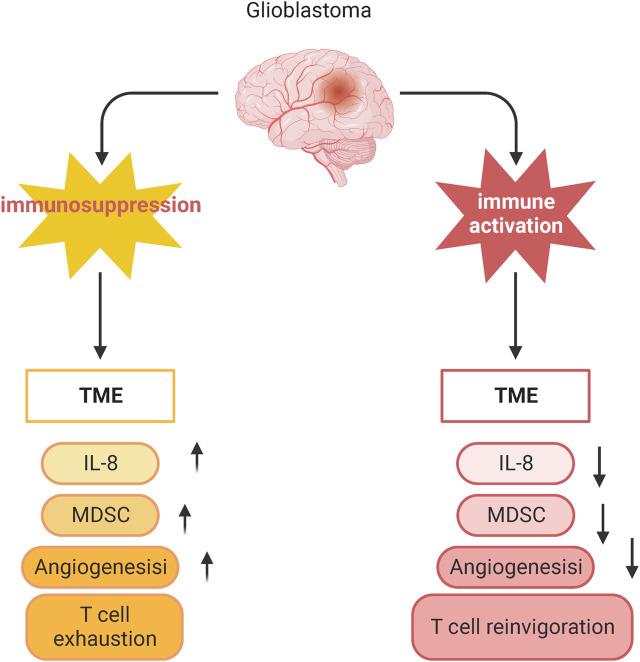
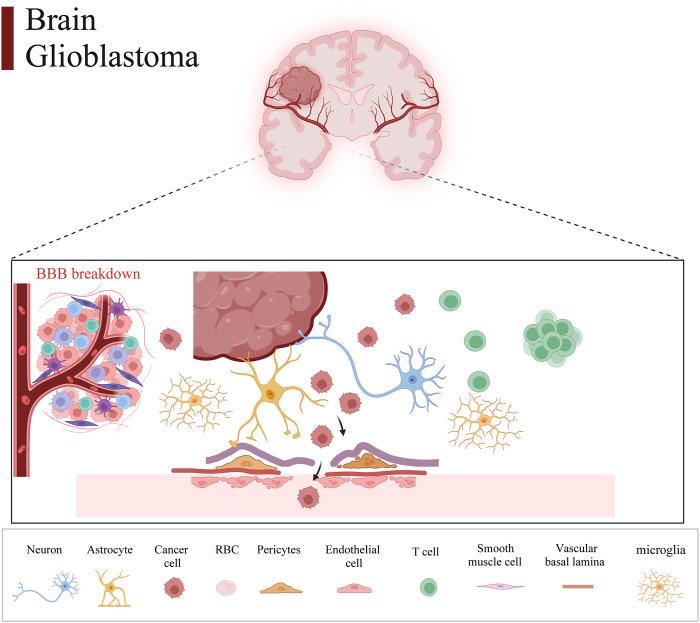
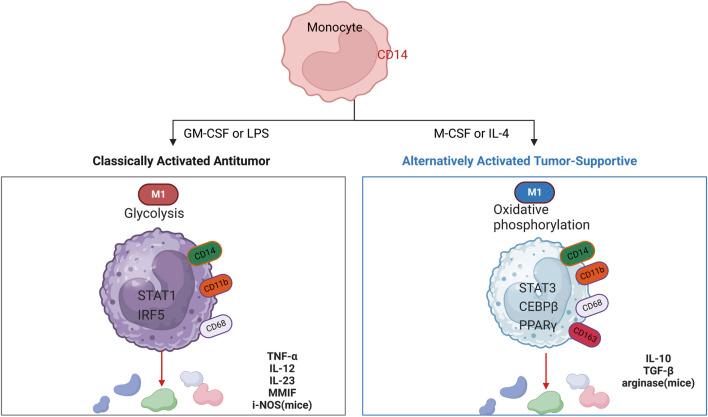
Glioblastoma (GBM) displays an infiltrative growth characteristic that recruits neighboring normal cells to facilitate tumor growth, maintenance, and invasion into the brain. While the blood-brain barrier serves as a critical natural defense mechanism for the central nervous system, GBM disrupts this barrier, resulting in the infiltration of macrophages from the peripheral bone marrow and the activation of resident microglia. Recent advancements in single-cell transcriptomics and spatial transcriptomics have refined the categorization of cells within the tumor microenvironment for precise identification. The intricate interactions and influences on cell growth within the tumor microenvironment under multi-omics conditions are succinctly outlined. The factors and mechanisms involving microglia, macrophages, endothelial cells, and T cells that impact the growth of GBM are individually examined. The collaborative mechanisms of tumor cell-immune cell interactions within the tumor microenvironment synergistically promote the growth, infiltration, and metastasis of gliomas, while also influencing the immune status and therapeutic response of the tumor microenvironment. As immunotherapy continues to progress, targeting the cells within the inter-tumor microenvironment emerges as a promising novel therapeutic approach for GBM. By comprehensively understanding and intervening in the intricate cellular interactions within the tumor microenvironment, novel therapeutic modalities may be developed to enhance treatment outcomes for patients with GBM.
胶质母细胞瘤(GBM)具有浸润性生长特征,它会募集邻近的正常细胞以促进肿瘤生长、维持及向脑内侵袭。虽然血脑屏障是中枢神经系统的关键天然防御机制,但GBM会破坏这一屏障,导致外周骨髓中的巨噬细胞浸润以及驻留小胶质细胞的激活。单细胞转录组学和空间转录组学的最新进展完善了肿瘤微环境中细胞的分类,以实现精确识别。本文简要概述了多组学条件下肿瘤微环境中细胞生长的复杂相互作用和影响。分别研究了涉及小胶质细胞、巨噬细胞、内皮细胞和T细胞影响GBM生长的因素和机制。肿瘤微环境中肿瘤细胞与免疫细胞相互作用的协同机制协同促进胶质瘤的生长、浸润和转移,同时也影响肿瘤微环境的免疫状态和治疗反应。随着免疫治疗的不断进展,靶向肿瘤微环境中的细胞成为一种有前景的GBM新型治疗方法。通过全面了解和干预肿瘤微环境中复杂的细胞相互作用,可能开发出新的治疗方式以提高GBM患者的治疗效果。


 Zotero 插件