
了解胶质瘤的免疫抑制微环境:机制见解和临床观点。
Understanding the immunosuppressive microenvironment of glioma: mechanistic insights and clinical perspectives.
机构信息
Department of Neurosurgery, Huashan Hospital, Fudan University, Shanghai, People's Republic of China.
National Center for Neurological Disorders, Huashan Hospital, Shanghai Medical College, Fudan University, Shanghai, People's Republic of China.
出版信息
J Hematol Oncol. 2024 May 8;17(1):31. doi: 10.1186/s13045-024-01544-7.
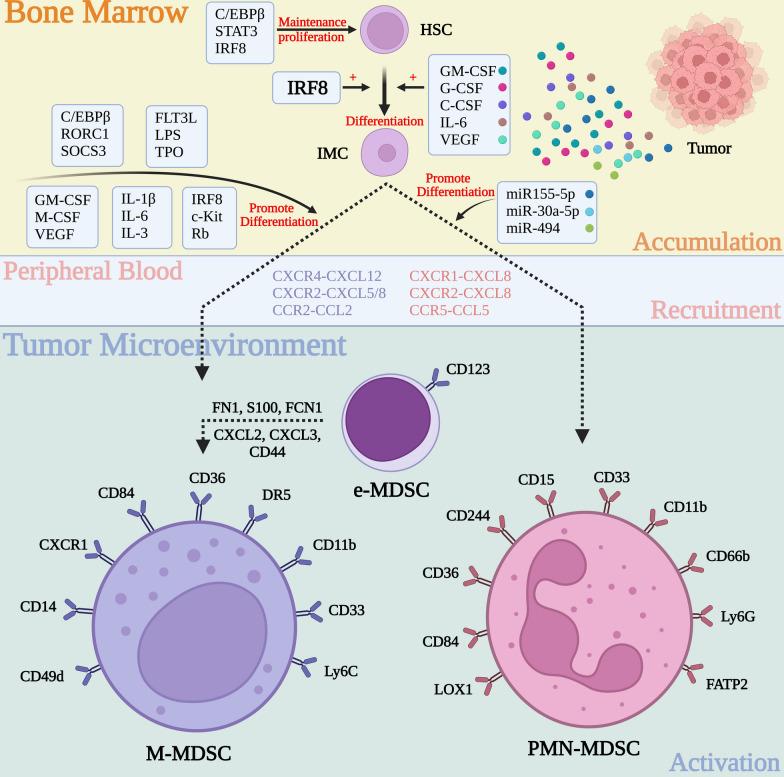
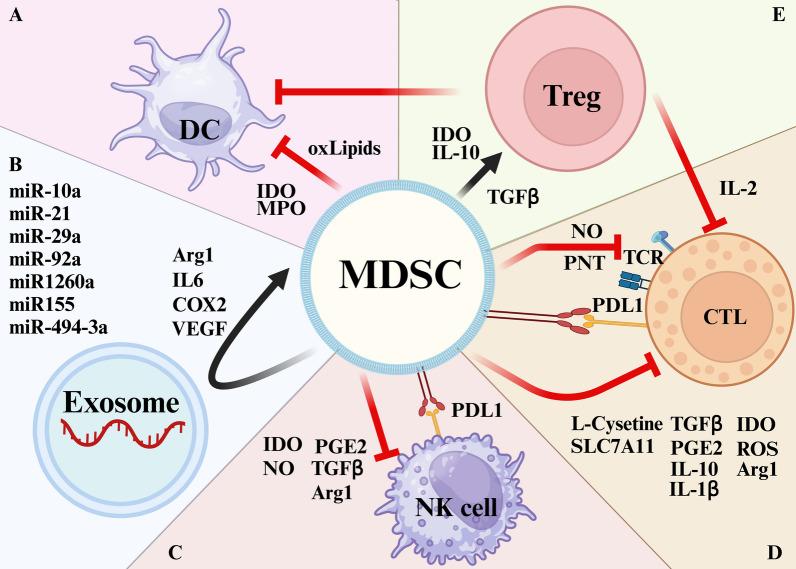
Glioblastoma (GBM), the predominant and primary malignant intracranial tumor, poses a formidable challenge due to its immunosuppressive microenvironment, thereby confounding conventional therapeutic interventions. Despite the established treatment regimen comprising surgical intervention, radiotherapy, temozolomide administration, and the exploration of emerging modalities such as immunotherapy and integration of medicine and engineering technology therapy, the efficacy of these approaches remains constrained, resulting in suboptimal prognostic outcomes. In recent years, intensive scrutiny of the inhibitory and immunosuppressive milieu within GBM has underscored the significance of cellular constituents of the GBM microenvironment and their interactions with malignant cells and neurons. Novel immune and targeted therapy strategies have emerged, offering promising avenues for advancing GBM treatment. One pivotal mechanism orchestrating immunosuppression in GBM involves the aggregation of myeloid-derived suppressor cells (MDSCs), glioma-associated macrophage/microglia (GAM), and regulatory T cells (Tregs). Among these, MDSCs, though constituting a minority (4-8%) of CD45 cells in GBM, play a central component in fostering immune evasion and propelling tumor progression, angiogenesis, invasion, and metastasis. MDSCs deploy intricate immunosuppressive mechanisms that adapt to the dynamic tumor microenvironment (TME). Understanding the interplay between GBM and MDSCs provides a compelling basis for therapeutic interventions. This review seeks to elucidate the immune regulatory mechanisms inherent in the GBM microenvironment, explore existing therapeutic targets, and consolidate recent insights into MDSC induction and their contribution to GBM immunosuppression. Additionally, the review comprehensively surveys ongoing clinical trials and potential treatment strategies, envisioning a future where targeting MDSCs could reshape the immune landscape of GBM. Through the synergistic integration of immunotherapy with other therapeutic modalities, this approach can establish a multidisciplinary, multi-target paradigm, ultimately improving the prognosis and quality of life in patients with GBM.
胶质母细胞瘤(GBM)是主要的原发性颅内恶性肿瘤,由于其免疫抑制微环境,给常规治疗干预带来了挑战。尽管已经确立了包括手术干预、放疗、替莫唑胺给药以及探索免疫疗法和医学与工程技术治疗整合等新方法的治疗方案,但这些方法的疗效仍然受到限制,导致预后结果不理想。近年来,对 GBM 内抑制和免疫抑制环境的深入研究强调了 GBM 微环境的细胞成分及其与恶性细胞和神经元相互作用的重要性。新型免疫和靶向治疗策略已经出现,为推进 GBM 治疗提供了有希望的途径。一种协调 GBM 中免疫抑制的关键机制涉及髓系来源的抑制细胞(MDSCs)、胶质细胞瘤相关巨噬细胞/小胶质细胞(GAM)和调节性 T 细胞(Tregs)的聚集。在这些细胞中,虽然 MDSCs 在 GBM 中的 CD45 细胞中仅占 4-8%,但它们在促进免疫逃逸和推动肿瘤进展、血管生成、侵袭和转移方面发挥着核心作用。MDSCs 利用复杂的免疫抑制机制来适应动态的肿瘤微环境(TME)。了解 GBM 与 MDSCs 之间的相互作用为治疗干预提供了有力的基础。本综述旨在阐明 GBM 微环境中固有的免疫调节机制,探讨现有的治疗靶点,并综合最近关于 MDSC 诱导及其对 GBM 免疫抑制作用的研究进展。此外,本综述全面调查了正在进行的临床试验和潜在的治疗策略,设想通过靶向 MDSCs 来改变 GBM 的免疫景观,从而为 GBM 患者带来更好的预后和生活质量。通过将免疫疗法与其他治疗模式协同整合,可以建立一个多学科、多靶点的治疗范式,最终改善 GBM 患者的预后和生活质量。




 Zotero 插件