
外泌体在食管癌中的作用。
The roles of exosomes in esophageal cancer.
作者信息
Sun Shihong, Shao Yingjie, Gu Wendong
机构信息
Department of Radiation Oncology, The Third Affiliated Hospital of Soochow University, 185 Juqian Street, Changzhou, 213003, China.
出版信息
Discov Oncol. 2024 Aug 27;15(1):371. doi: 10.1007/s12672-024-01259-8.
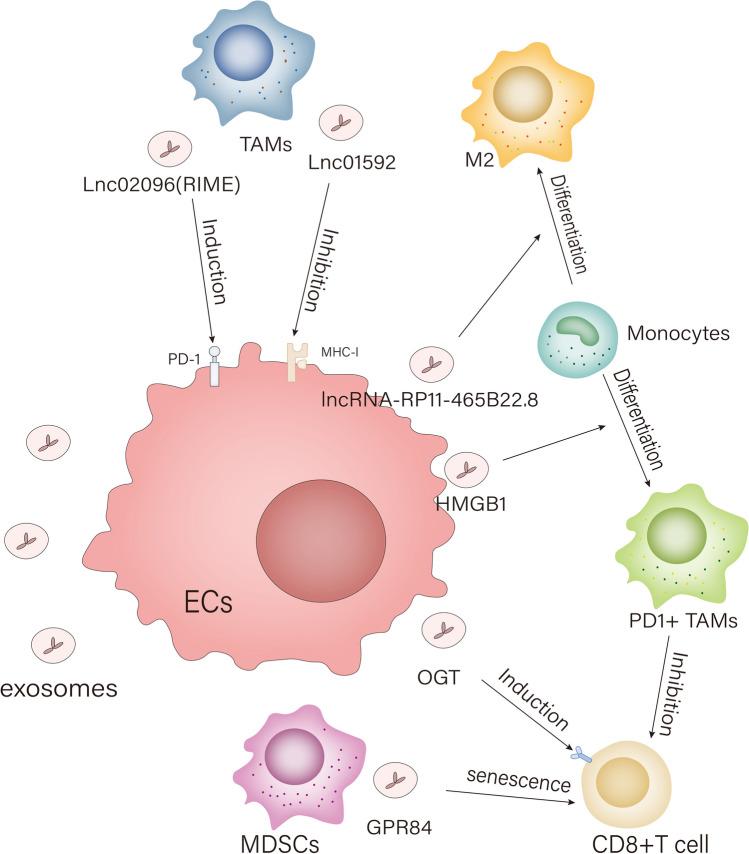
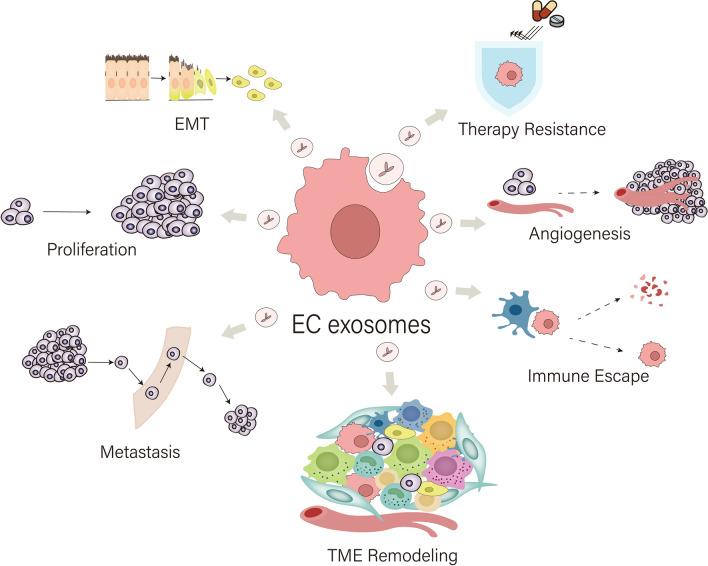
The incidence and mortality rate of esophageal cancer (EC) are higher worldwide. Exosomes are nanoscale vesicles derived from various types of cells, exhibiting a stable presence in bodily fluids, and contain a plethora of bioactive components including proteins, DNA, and RNA. Exosomes can mediate cell-to-cell communication and signaling. Numerous studies conducted both domestically and internationally have indicated the significant involvement of exosomes in tumor development and their potential as novel diagnostic and prognostic biomarkers for liquid biopsy. This review seeks to consolidate the role of exosomes and bioactive substances in the progression of EC and elaborate on the opportunities and challenges associated with the clinical application of exosomes in EC.
全球范围内,食管癌(EC)的发病率和死亡率都较高。外泌体是源自各种类型细胞的纳米级囊泡,在体液中稳定存在,并包含大量生物活性成分,包括蛋白质、DNA和RNA。外泌体可介导细胞间通讯和信号传导。国内外进行的大量研究表明,外泌体在肿瘤发展中具有重要作用,并且作为液体活检的新型诊断和预后生物标志物具有潜力。本综述旨在巩固外泌体和生物活性物质在食管癌进展中的作用,并阐述外泌体在食管癌临床应用中相关的机遇和挑战。
 Zotero 插件