
胆固醇流出减少暴露于鬼臼毒素的培养巨噬细胞中TLR4靶基因的表达。
Cholesterol Efflux Decreases TLR4-Target Gene Expression in Cultured Macrophages Exposed to Ghosts.
作者信息
Fernando Lawrence, Echesabal-Chen Jing, Miller Murphy, Powell Rhonda Reigers, Bruce Terri, Paul Apurba, Poudyal Nava, Saliutama Joshua, Parman Kristina, Paul Kimberly S, Stamatikos Alexis
机构信息
Department of Food, Nutrition, and Packaging Sciences, Clemson University, Clemson, SC 29634, USA.
School of Medicine Greenville, University of South Carolina, Greenville, SC 29605, USA.
出版信息
Microorganisms. 2024 Aug 22;12(8):1730. doi: 10.3390/microorganisms12081730.
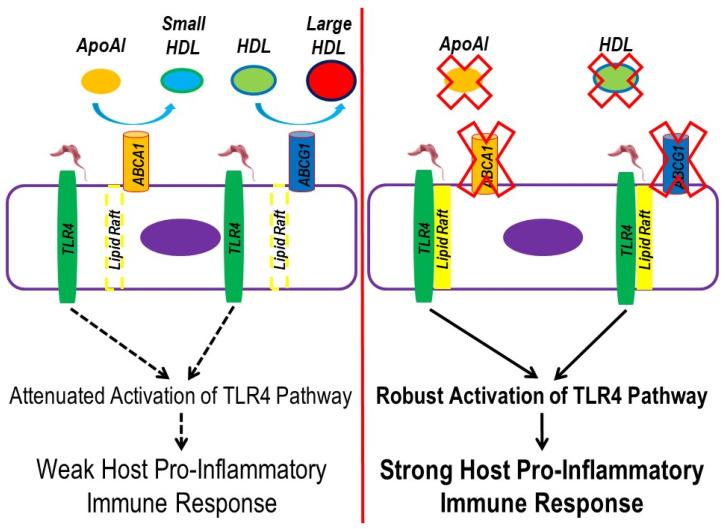
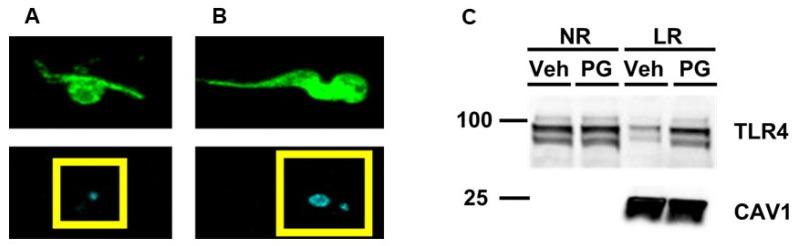
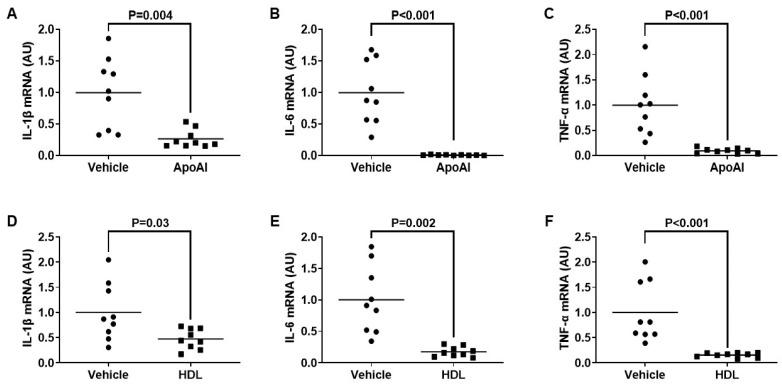
causes African trypanosomiasis in humans. Infection with elicits a potent pro-inflammatory immune response within infected human hosts, and this response is thought to at least be partially due to Toll-like receptor (TLR) activation. In response to stimulation by lipopolysaccharide and other pathogen antigens, TLR4 translocates to lipid rafts, which induces the expression of pro-inflammatory genes. However, cholesterol efflux is acknowledged as anti-inflammatory due to promoting lipid raft disruption. In this study, we wanted to assess the impact of "ghosts", which are non-viable essentially devoid of intracellular contents, in stimulating macrophage TLR4 translocation to lipid rafts, and whether promoting cholesterol efflux in macrophages incubated with ghosts attenuates TLR4-target gene expression. When cultured macrophages were exposed to ghosts, we observed an increase in lipid raft TLR4 protein content, which suggests certain surface molecules of serve as ligands for TLR4. However, pretreating macrophages with cholesterol acceptors before ghost exposure decreased lipid raft TLR4 protein content and the expression of pro-inflammatory TLR4-target genes. Taken together, these results imply that macrophage cholesterol efflux weakens pro-inflammatory responses which occur from infection via increasing macrophage lipid raft disruption.
导致人类非洲锥虫病。感染会在受感染的人类宿主内引发强烈的促炎免疫反应,并且这种反应被认为至少部分归因于Toll样受体(TLR)的激活。响应脂多糖和其他病原体抗原的刺激,TLR4易位至脂筏,从而诱导促炎基因的表达。然而,胆固醇外流因促进脂筏破坏而被认为具有抗炎作用。在本研究中,我们想评估“空壳”(即基本没有细胞内成分的无活力细胞)在刺激巨噬细胞TLR4易位至脂筏方面的影响,以及在用“空壳”孵育的巨噬细胞中促进胆固醇外流是否会减弱TLR4靶基因的表达。当培养的巨噬细胞暴露于“空壳”时,我们观察到脂筏TLR4蛋白含量增加,这表明的某些表面分子可作为TLR4的配体。然而,在“空壳”暴露前用胆固醇受体预处理巨噬细胞会降低脂筏TLR4蛋白含量以及促炎TLR4靶基因的表达。综上所述,这些结果表明巨噬细胞胆固醇外流通过增加巨噬细胞脂筏破坏来减弱由感染引发的促炎反应。

 Zotero 插件