
具有特定孔径以增强细胞浸润的电纺聚乳酸膜。
Electrospun poly(lactic acid) membranes with defined pore size to enhance cell infiltration.
作者信息
Vieira Tânia, Afonso Ana Filipa, Correia Catarina, Henriques Célia, Borges João Paulo, Silva Jorge Carvalho
机构信息
Centro de Investigação de Materiais, Institute for Nanostructures, Nanomodelling and Nanofabrication, CENIMAT-I3N, Portugal.
Departamento de Física, Faculdade de Ciências e Tecnologia, Universidade Nova de Lisboa, 2829-516, Caparica, Portugal.
出版信息
Heliyon. 2024 Aug 14;10(16):e36091. doi: 10.1016/j.heliyon.2024.e36091. eCollection 2024 Aug 30.
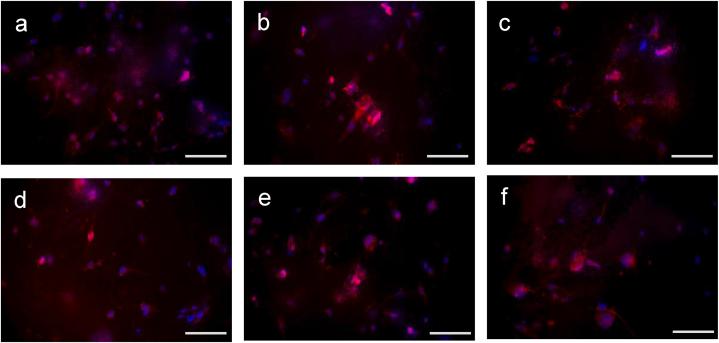
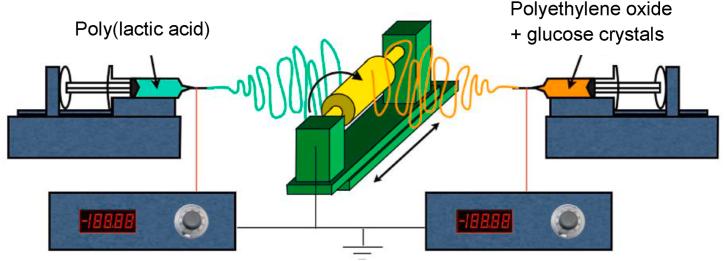
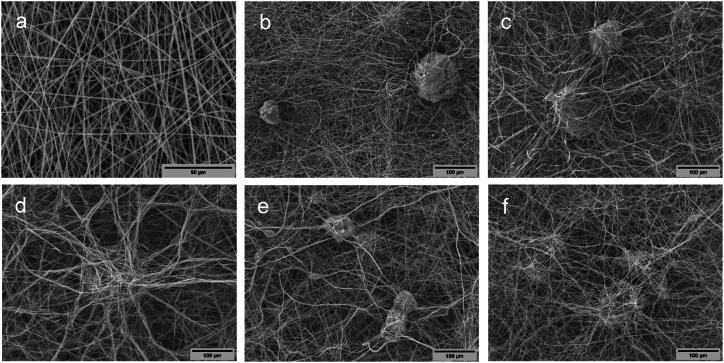
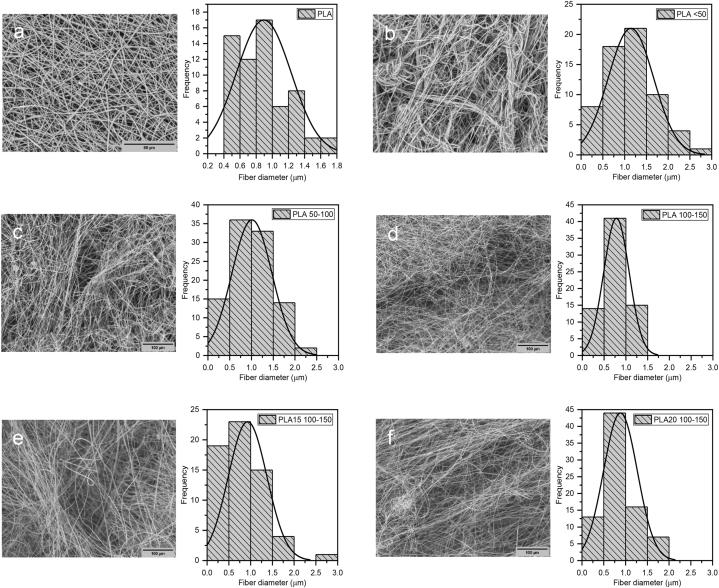
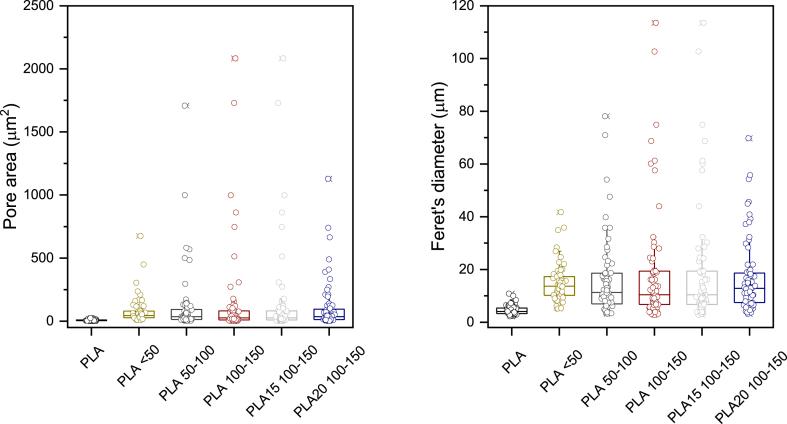
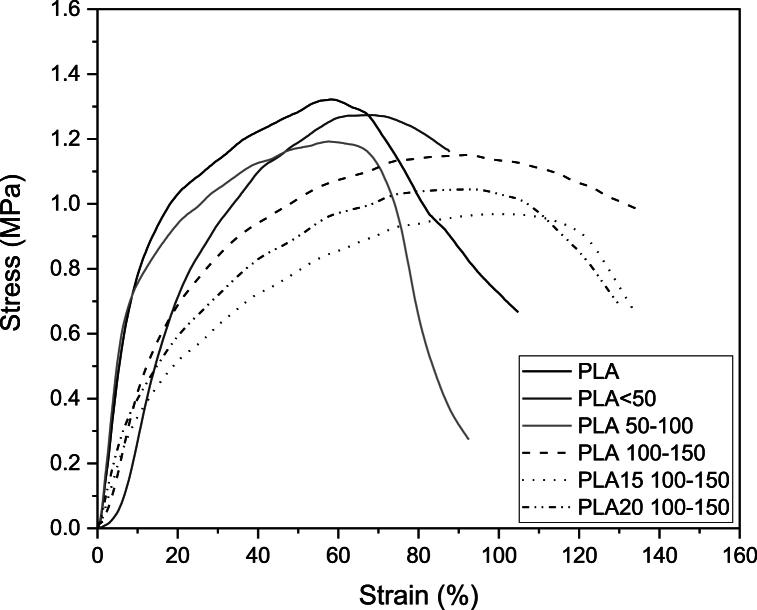
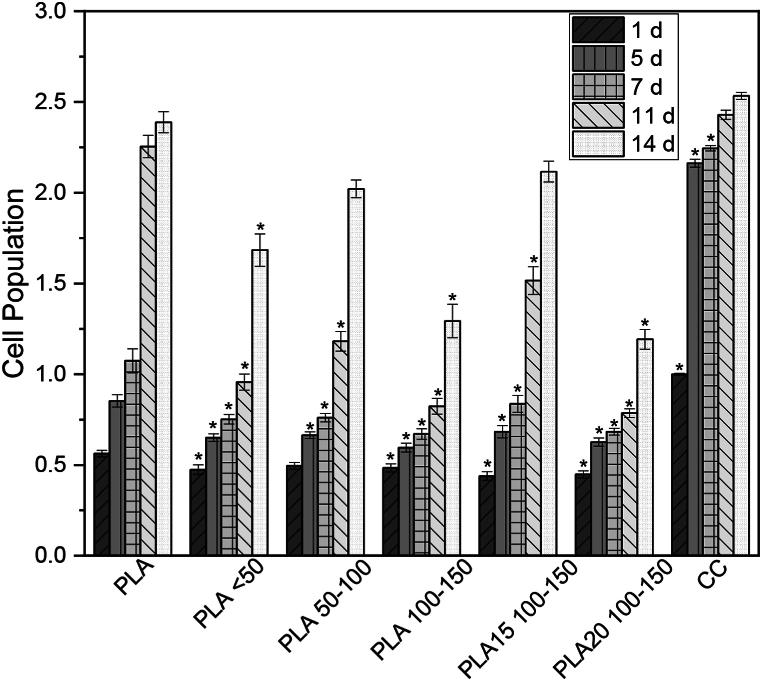
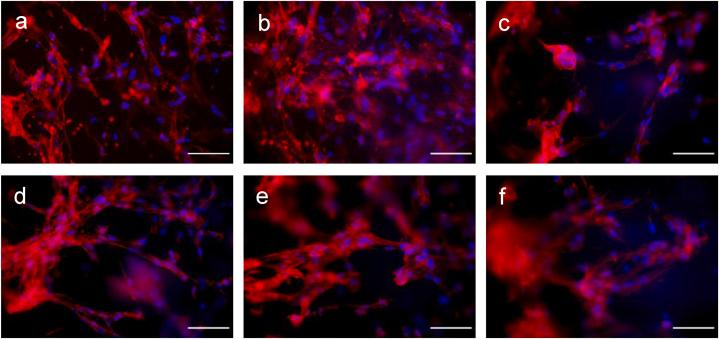
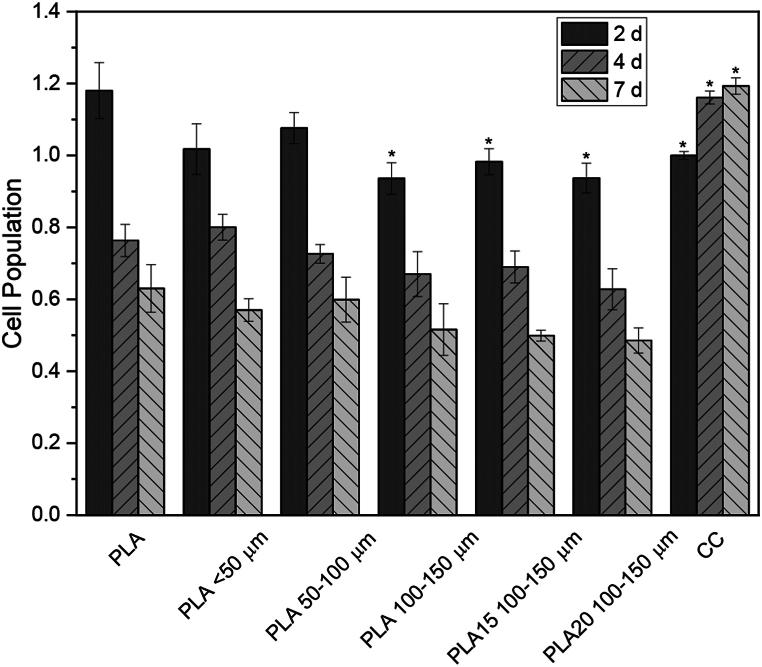
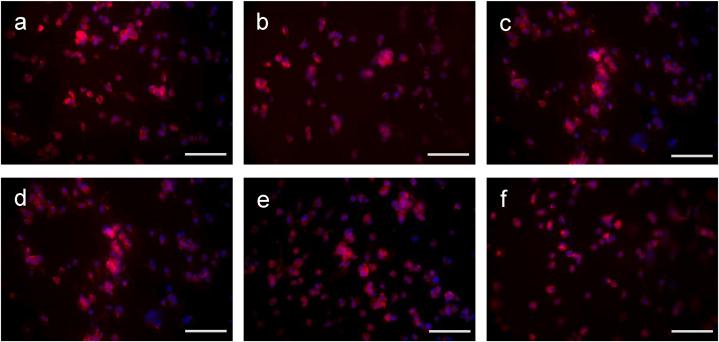
Electrospun membranes are compact structures with small pore sizes that hinder cell infiltration, resulting in membranes with cells attached only to the external surface rather than throughout the entire volume. Thus, there is a need to increase the pore size of electrospun membranes maintaining their structural similarity to the extracellular matrix. In this work, we used glucose crystals embedded in polyethylene oxide (PEO) fibers to create large pores in poly(lactic acid) (PLA) electrospun membranes to allow for cellular infiltration. The PEO fibers containing glucose crystals of different sizes (>50, 50-100 and 100-150 μm) and in varying concentrations (10, 15 and 20 %) were co-electrospun with PLA fibers and subsequently leached out using distilled water. PLA fibrous membranes without glucose crystals were also produced as controls. The membranes were examined for their morphology, mechanical properties, and potential to support the proliferation of fibroblasts. In addition, the immune response to the membranes was evaluated using monocyte-derived macrophages. The glucose crystals were uniformly distributed in the PLA membranes and their removal created open pores without collapsing the structure. Although a reduced Young's modulus was observed for membranes produced using higher glucose crystal concentrations and larger crystal sizes, the structural integrity remained intact, and the values are still suitable for tissue engineering. results showed that the scaffolds supported the adhesion and proliferation of fibroblasts and the pores created in the PLAmembranes were large enough for fibroblasts infiltration and colonization of the entire scaffold without inducing an inflammatory response.
静电纺丝膜是具有小孔径的致密结构,会阻碍细胞浸润,导致细胞仅附着于膜的外表面而非整个体积内。因此,需要在保持与细胞外基质结构相似性的同时增加静电纺丝膜的孔径。在这项工作中,我们使用嵌入聚环氧乙烷(PEO)纤维中的葡萄糖晶体在聚乳酸(PLA)静电纺丝膜中制造大孔,以允许细胞浸润。将含有不同尺寸(>50、50 - 100和100 - 150μm)和不同浓度(10%、15%和20%)葡萄糖晶体的PEO纤维与PLA纤维共静电纺丝,随后用蒸馏水浸出。还制备了不含葡萄糖晶体的PLA纤维膜作为对照。对这些膜的形态、力学性能以及支持成纤维细胞增殖的潜力进行了检测。此外,使用单核细胞衍生的巨噬细胞评估了对这些膜的免疫反应。葡萄糖晶体均匀分布在PLA膜中,其去除产生了开放孔而没有使结构塌陷。尽管观察到使用较高葡萄糖晶体浓度和较大晶体尺寸制备的膜的杨氏模量降低,但其结构完整性仍然完好,并且这些值仍适用于组织工程。结果表明,支架支持成纤维细胞的粘附和增殖,并且在PLA膜中形成的孔足够大,可允许成纤维细胞浸润并在整个支架中定植,而不会引发炎症反应。

 Zotero 插件