
幕后故事:利用表型分析大数据进行药物研发
Behind the screen: drug discovery using the big data of phenotypic analysis.
作者信息
Froney Merrill M, Jarstfer Michael B, Pattenden Samantha G, Solem Amanda C, Aina Olubunmi O, Eslinger Melissa R, Thomas Aeisha, Alexander Courtney M
机构信息
Department of Chemical Biology and Medicinal Chemistry, UNC Eshelman School of Pharmacy, University of North Carolina at Chapel Hill, Chapel Hill, NC, United States.
Department of Biology, Hastings College, Hastings, NE, United States.
出版信息
Front Educ (Lausanne). 2024;9. doi: 10.3389/feduc.2024.1342378. Epub 2024 Feb 14.
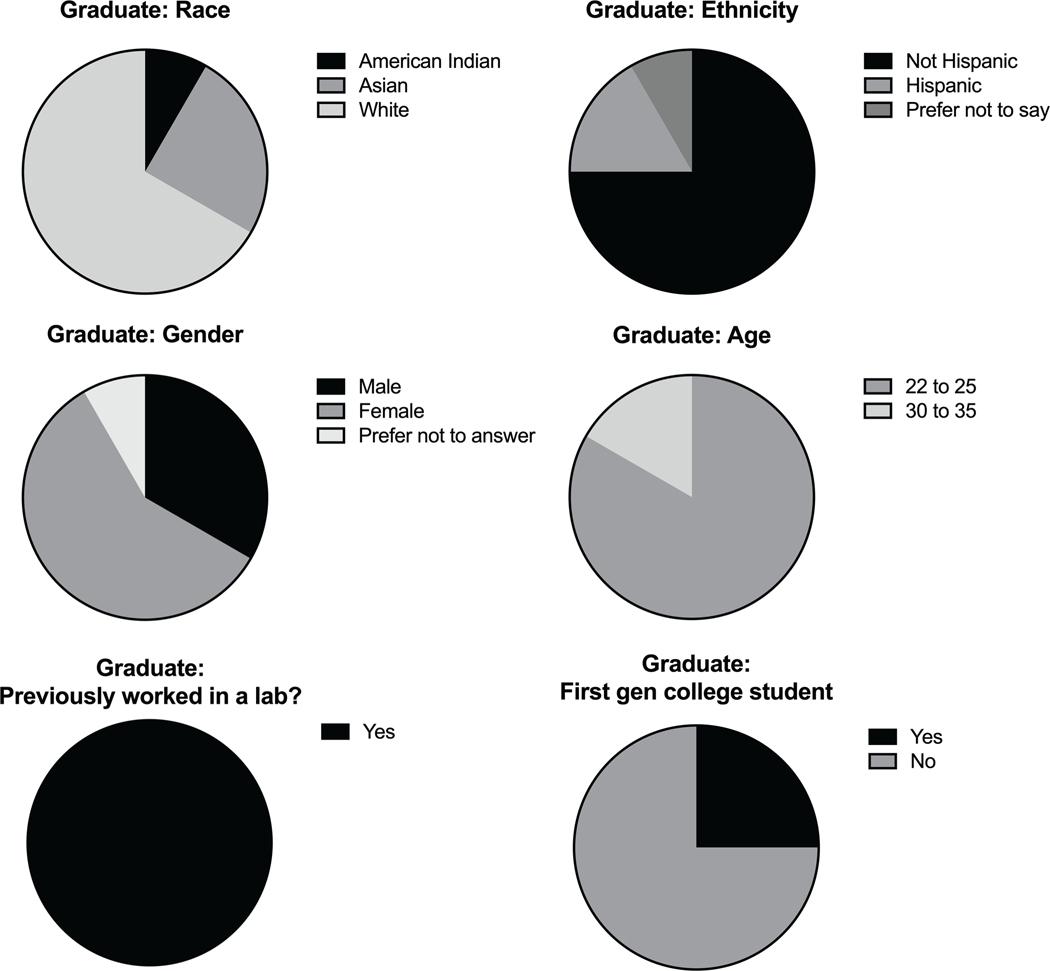
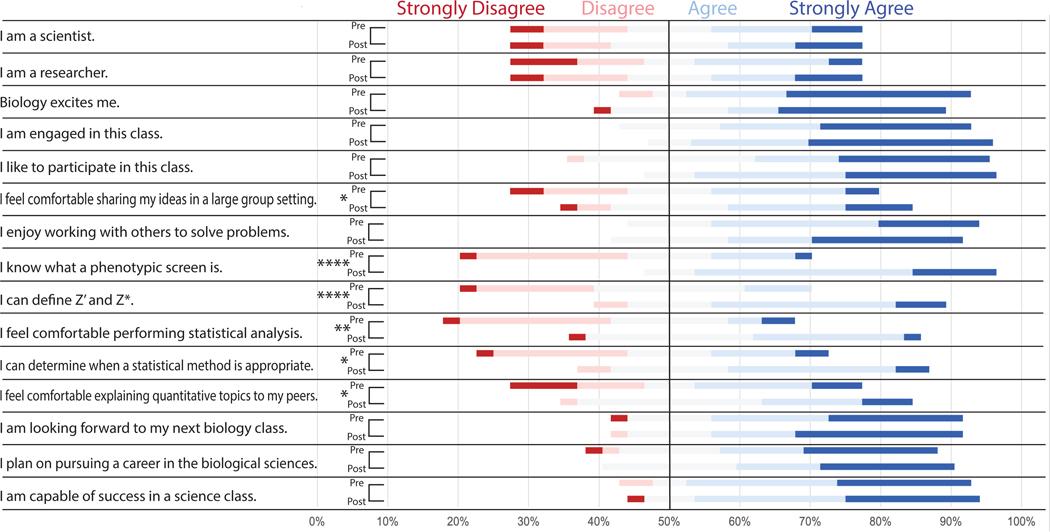
Technological advances in drug discovery are exciting to students, but it is challenging for faculty to maintain the pace with these developments, particularly within undergraduate courses. In recent years, a High-throughput Discovery Science and Inquiry-based Case Studies for Today's Students (HITS) Research Coordination Network has been assembled to address the mechanism of how faculty can, on-pace, introduce these advancements. As a part of HITS, our team has developed "Behind the Screen: Drug Discovery using the Big Data of Phenotypic Analysis" to introduce students and faculty to phenotypic screening as a tool to identify inhibitors of diseases that do not have known cellular targets. This case guides faculty and students though current screening methods using statistics and can be applied at undergraduate and graduate levels. Tested across 70 students at three universities and a variety of courses, our case utilizes datasets modeled on a real phenotypic screening method as an accessible way to teach students about current methods in drug discovery. Students will learn how to identify hit compounds from a dataset they have analyzed and understand the biological significance of the results they generate. They are guided through practical statistical procedures, like those of researchers engaging in a novel drug discovery strategy. Student survey data demonstrated that the case was successful in improving student attitudes in their ability to discuss key topics, with both undergraduate and graduate students having a significant increase in confidence. Together, we present a case that uses big data to examine the utility of a novel phenotypic screening strategy, a pedagogical tool that can be customized for a wide variety of courses.
药物发现领域的技术进步令学生们兴奋不已,但对于教师而言,要跟上这些发展的步伐颇具挑战,尤其是在本科课程中。近年来,一个名为“面向当代学生的高通量发现科学与基于探究的案例研究”(HITS)的研究协调网络已组建起来,以探讨教师如何能跟上步伐引入这些进展的机制。作为HITS的一部分,我们团队开发了“屏幕背后:利用表型分析大数据进行药物发现”,向学生和教师介绍表型筛选,将其作为一种识别尚无已知细胞靶点疾病抑制剂的工具。本案例通过统计学方法引导教师和学生了解当前的筛选方法,可应用于本科和研究生阶段。在三所大学的70名学生以及各类课程中进行了测试,我们的案例利用基于真实表型筛选方法建模的数据集,作为一种让学生了解药物发现当前方法的便捷方式。学生将学习如何从他们分析的数据集里识别出活性化合物,并理解他们所产生结果的生物学意义。他们会在实际统计程序的引导下进行学习,就如同参与新药发现策略的研究人员那样。学生调查数据表明,该案例成功提升了学生讨论关键主题的能力,本科生和研究生的信心都显著增强。我们共同展示了一个利用大数据来检验新型表型筛选策略效用的案例,这是一种可针对各类课程进行定制的教学工具。


 Zotero 插件